Should You Buy the Instacart Dip Even After Costco Just Let DoorDash In?
Costco just handed DoorDash a new same-day delivery deal, and Instacart shareholders took the hit, but the sell-off may have punished the wrong narrative entirely.

This post may contain links from our sponsors and affiliates, and Flywheel Publishing may receive compensation for actions taken through them.
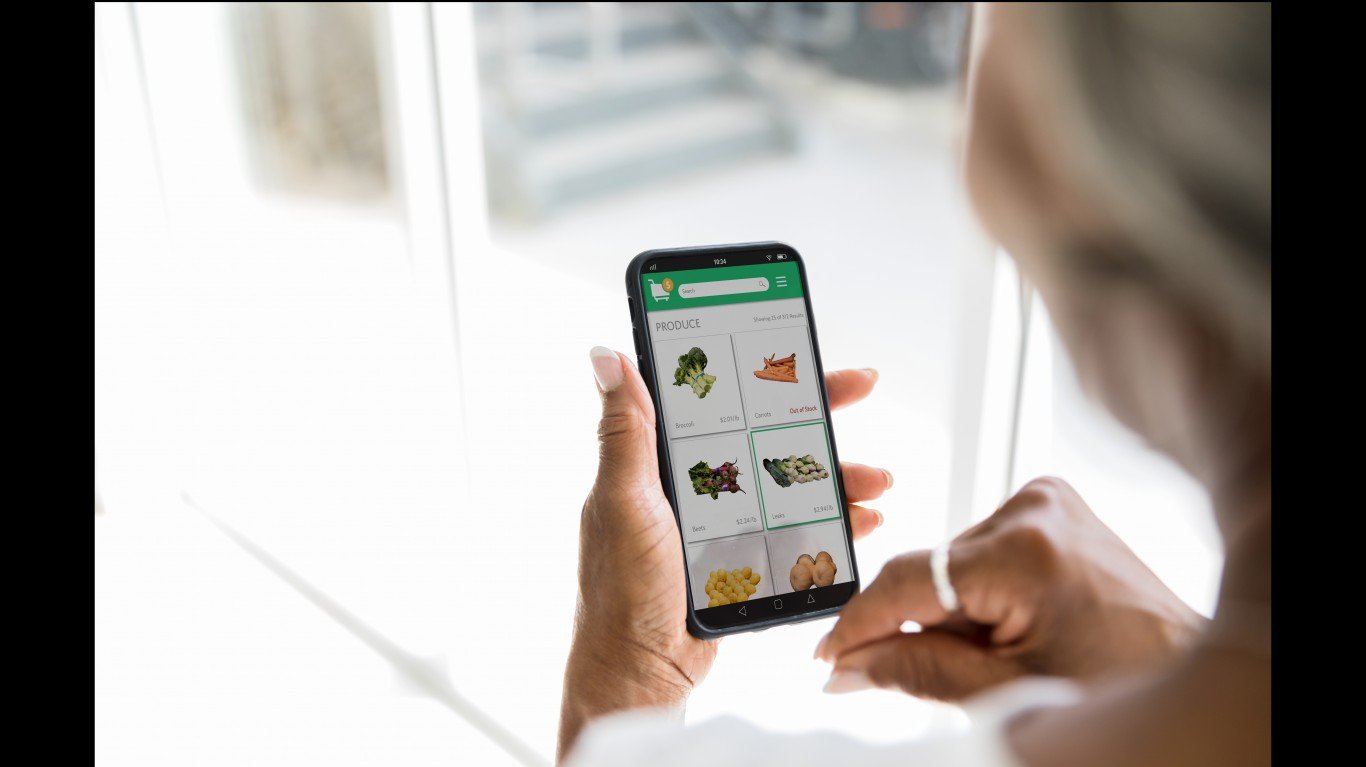
Maplebear (NASDAQ:CART | CART Price Prediction), Instacart’s parent company, trades at $45.43 versus a consensus Wall Street price target of $58, a gap that implies roughly 28% upside if the sell side is right.
Instacart runs the largest third-party grocery marketplace in North America and also builds white-label e-commerce, ad tech and in-store hardware for retailers, spanning more than 310 retail partners and 9,000-plus brands.
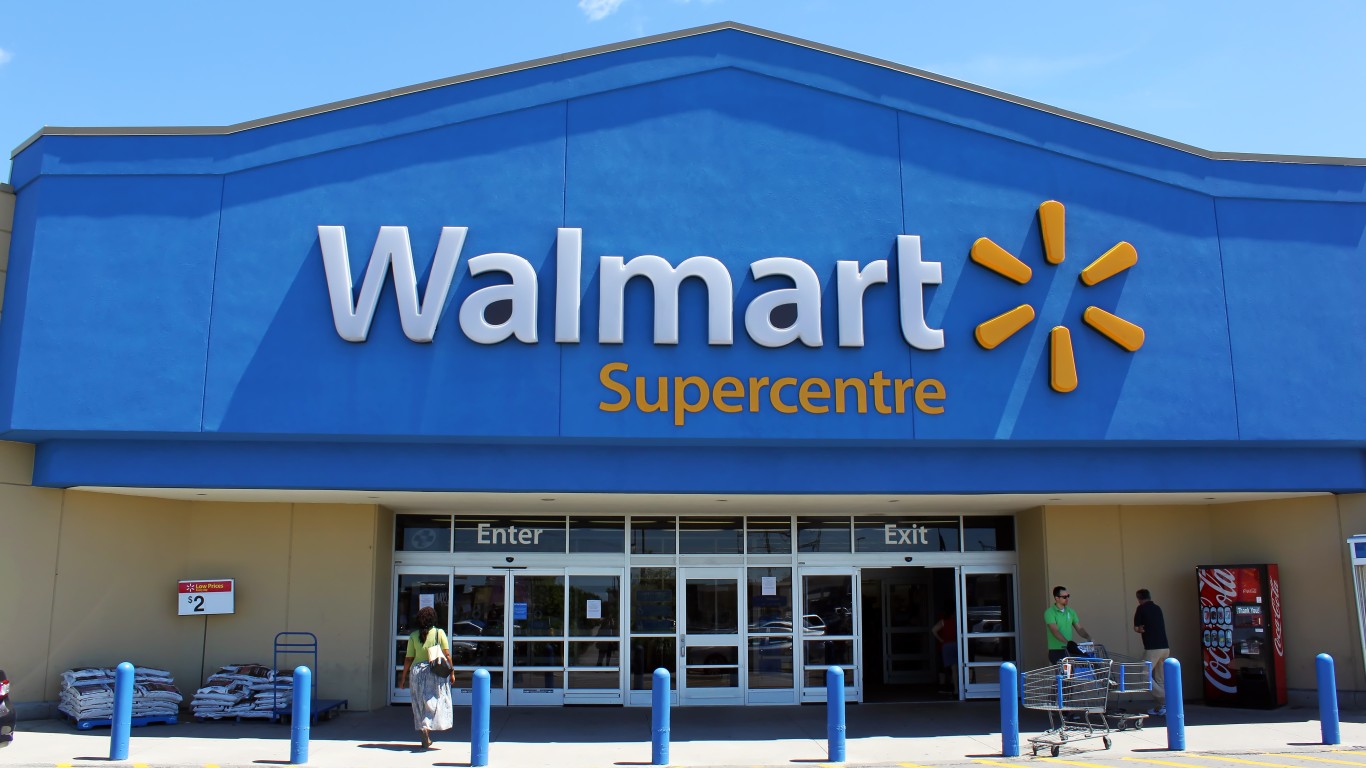
Costco (NASDAQ:COST) has been the crown jewel of that ecosystem, which is why a new same-day delivery pact between Costco and DoorDash sent CART lower.
The dip question is trickier than the headline reads, because Costco added a channel rather than replacing Instacart.
Why the Costco-DoorDash Headline Bruised CART
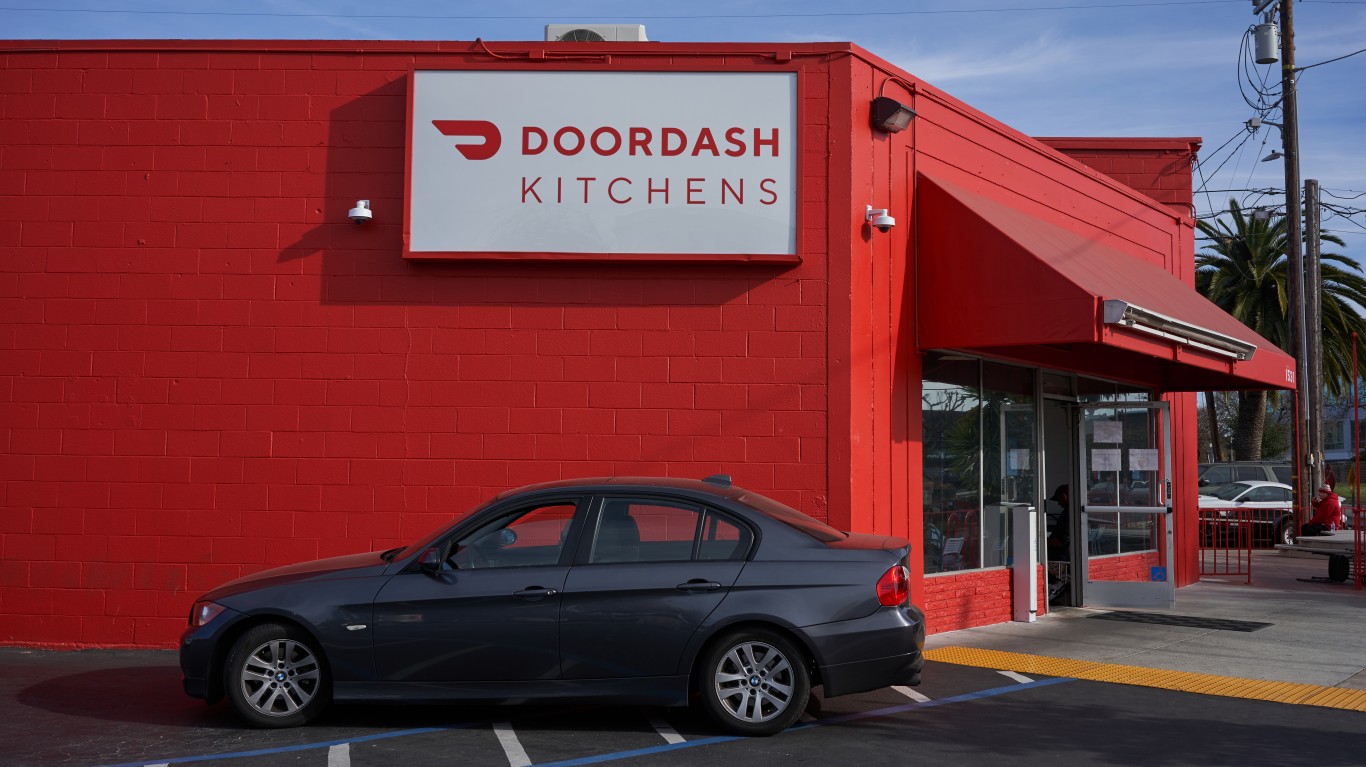
DoorDash’s launch introduces nationwide same-day delivery from every U.S. Costco warehouse, requires an active membership, and offers more than 4,000 Costco products in the DoorDash app. Investors read that as a direct hit on Instacart’s most valuable marketplace relationship.
The reaction was sharp but not catastrophic. CART fell 3.03% on the session and is down 7.15% over the past month, well behind an S&P 500 that has drifted only 0.62% lower in the same window.
The important correction: Instacart still powers Costco’s branded same-day websites in the United States and Canada, and Storefront Pro with Costco has expanded into France and Spain. What is at risk is marketplace basket share and the advertising inventory attached to it, because those units carry richer take rates than white-label enterprise work.
What Analysts Still See in the Model
Coverage leans constructive. Five analysts rate CART Strong Buy, 13 Buy, 14 Hold, and zero Sell or Strong Sell, and the $58 average target has held through the Costco news.

The bull case rests on advertising and enterprise compounding faster than transaction revenue. Q2 advertising and other revenue grew 16% to $297 million, GTV rose 14% to $10.35 billion, and adjusted EBITDA climbed 19% to $313 million. Free cash flow reached $480 million in the quarter, funding $325 million of buybacks.
CEO Chris Rogers argues the moat is data and fulfillment, citing “more than 1.6 billion lifetime orders” and an average order value of $115 that dwarfs typical delivery baskets. Analysts want proof that Costco marketplace orders and take rates hold as DoorDash ramps.
DoorDash Is Not Winning Either
DoorDash (NASDAQ:DASH), the supposed beneficiary, is down 10.07% over the past month and 14.09% year to date. Dollars are flowing away from both names as the entire last-mile group comes under pressure, with investors debating grocery unit economics.
That matters because an unambiguous share transfer would have DoorDash rallying, yet DASH is selling off alongside CART. The action suggests skepticism that same-day club delivery is accretive to either operator without meaningful subsidy.

CART’s 1% year-to-date gain has been left in the dust by the S&P 500’s 11.85% advance, and shares sit well below the 50-day moving average of $47.99 after touching a 52-week high of $52.68.
Valuation is not stretched. CART trades at a forward P/E of 14 on TTM EPS of $1.83, with an EV/EBITDA multiple near 14. Q2 GAAP EPS of $0.45 missed the $0.55 consensus, pressured by rising stock-based comp, another overhang beyond Costco.

Bull and Bear Case for CART Stock
The bull case holds if advertising keeps compounding in the mid-teens, enterprise Storefront revenue continues scaling across the 380 grocery sites it already powers, and Costco marketplace baskets stay sticky because Instacart’s cross-retailer shopper (over five retailers on average, more than double for Instacart Plus) differs from the customer DoorDash is targeting.
The bear case takes over if Costco take rates compress as DoorDash steals the highest-value baskets, if buybacks mask persistent EPS misses driven by stock-based comp, and if management’s own warning that over 80% of GTV comes from non-exclusive retailers becomes the story rather than a footnote.
On balance, the setup leans opportunity over trap. The market priced in a worst case that the disclosures do not support, and a 28% gap to target with zero Sell ratings is a hard combination to ignore. The variable to watch is Q3 advertising growth against management’s 15% to 18% guide; if that holds, the Costco panic ages poorly.
Contact [email protected] for any questions or corrections.
Omor Ibne Ehsan is a writer at 24/7 Wall St. He is a self-taught investor with a focus on growth, cyclical, and dividend equities that have strong fundamentals, value, and long-term potential. He also has an interest in high-risk, high-reward investments such as penny stocks.