How the Trump-Xi Meeting Could Move Nvidia, Boeing and Your 401(k)
When Trump meets Xi this week, a tariff truce set to expire in November turns a state visit into a live portfolio event, and two giant S&P 500 stocks sitting on opposite sides of the China trade stand to move…

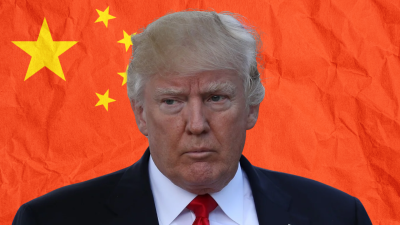
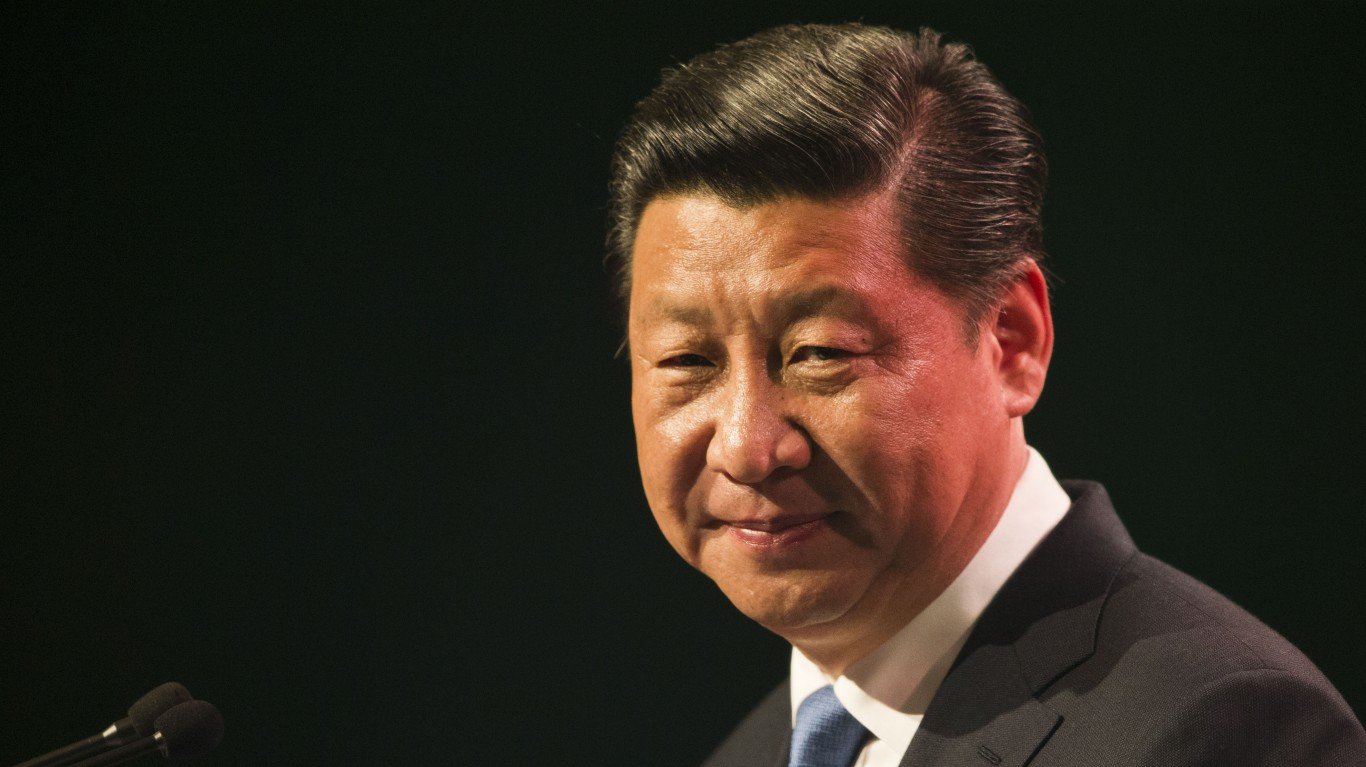
The president hosts his Chinese counterpart at the White House this week. The tariff truce between the two countries expires in November, turning a state visit into a market event.
The two most China-exposed large caps in the S&P 500 have moved in opposite directions this year. NVIDIA is up while Boeing is down.
The Treasury secretary and trade representative spent eight hours with Chinese officials in New York ahead of the visit.
Beijing had not formally confirmed the meeting as of last week. The Polymarket contract on whether the president will mention Boeing during Xi’s state arrival remarks sits at 0.265.
Why Nvidia Is Asymmetric
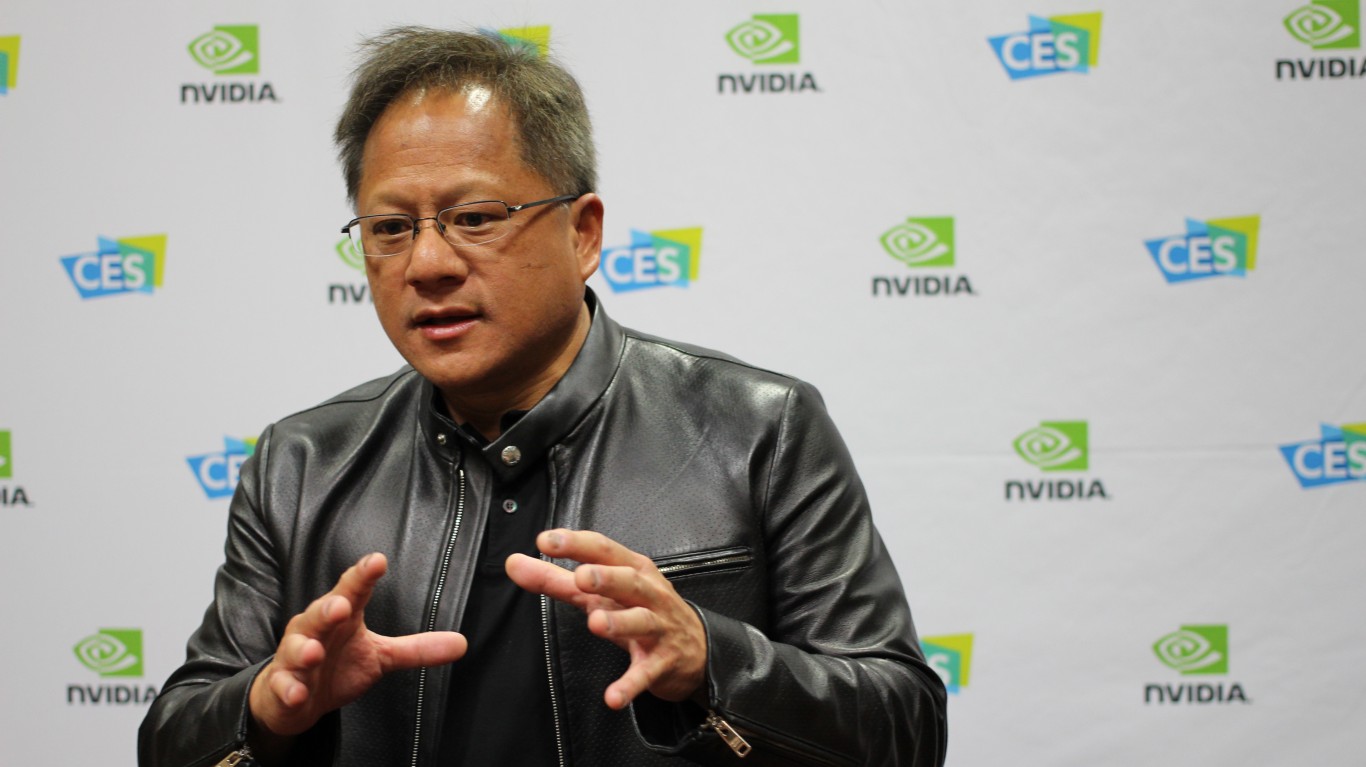
NVIDIA (NASDAQ:NVDA | NVDA Price Prediction) has watched its China number shrink to almost nothing. Colette Kress said on the August 26 call that “In Q2, we ship less than 1% of our total data center revenue in Hopper 200 products to customers based in China” and that “given ongoing geopolitical uncertainty, there is no China data center compute revenue in our forward outlook.”
That followed a $4.5 billion H20 inventory charge in Q1 FY26. Current-quarter guidance of $108.0 billion explicitly excludes China data center compute.
Because the forecast assumes zero, any licensing breakthrough becomes a pure addition to a number that already excludes it. NVIDIA at $228.87, up 23.01% year to date, is asymmetric into this meeting.

Why Boeing Is Binary
China committed to a Boeing (NYSE:BA) order in May, with reports suggesting a wide-body follow-on. The chief executive has tied any large order to a government-to-government agreement.
Boeing sits at $197.72, down 8.94% on the year, against a record commercial backlog of $597 billion.

Orders convert to revenue years later. A signed order moves the stock on sentiment first and the financials much later, making Boeing the higher-variance version of this trade.

Your 401(k) and the Counter-Evidence
The read-through to your retirement account runs through index weight. NVIDIA carries a $5.53 trillion market cap; Boeing carries $156.27 billion. A summit producing chip licenses, aircraft orders and rare earths together could move the index by roughly a percentage point, while vague language could erase last week’s gains.
Employees at NVIDIA and a server maker were indicted in August over alleged exports to China, a reminder that enforcement is tightening. NVIDIA’s finance chief also disposed of shares on September 17 under what appears to be a prearranged plan.
Bull and Bear Case for NVDA Stock
The bull case: zero China data center revenue is baked into forward guidance, so any product Beijing clears becomes pure addition to a business already growing on demand unrelated to China (we profiled seven suppliers powering that data-center buildout, from power to cooling, in a free report you can grab here). Kress guided fiscal 2028 revenue to grow approximately 70% year over year without a Chinese contribution.
The bear case: Beijing has already limited deliveries, and an export license from Washington does not compel a purchase in Shenzhen. At 28x earnings after a strong year, the stock needs more than a diplomatic photograph.
Boeing is the same bet with higher stakes. Upside is a wide-body order that reprices a stock the market has stopped believing in; downside is a communique mentioning cooperation with nothing signed.
For both names, check the joint statement for the word delivery. If it is missing, treat the event as noise.

Contact [email protected] for any questions or corrections.
Omor Ibne Ehsan is a writer at 24/7 Wall St. He is a self-taught investor with a focus on growth, cyclical, and dividend equities that have strong fundamentals, value, and long-term potential. He also has an interest in high-risk, high-reward investments such as penny stocks.