Nvidia: Jensen Huang Says We Should Be Selling Chips to China
Nvidia (NASDAQ:NVDA | NVDA Price Prediction) CEO Jensen Huang’s recent appearance on the Dwarkesh Podcast was one of the most direct and consequential things he’s said publicly in years. His argument, stripped to its core: the U.S. should permit Nvidia…


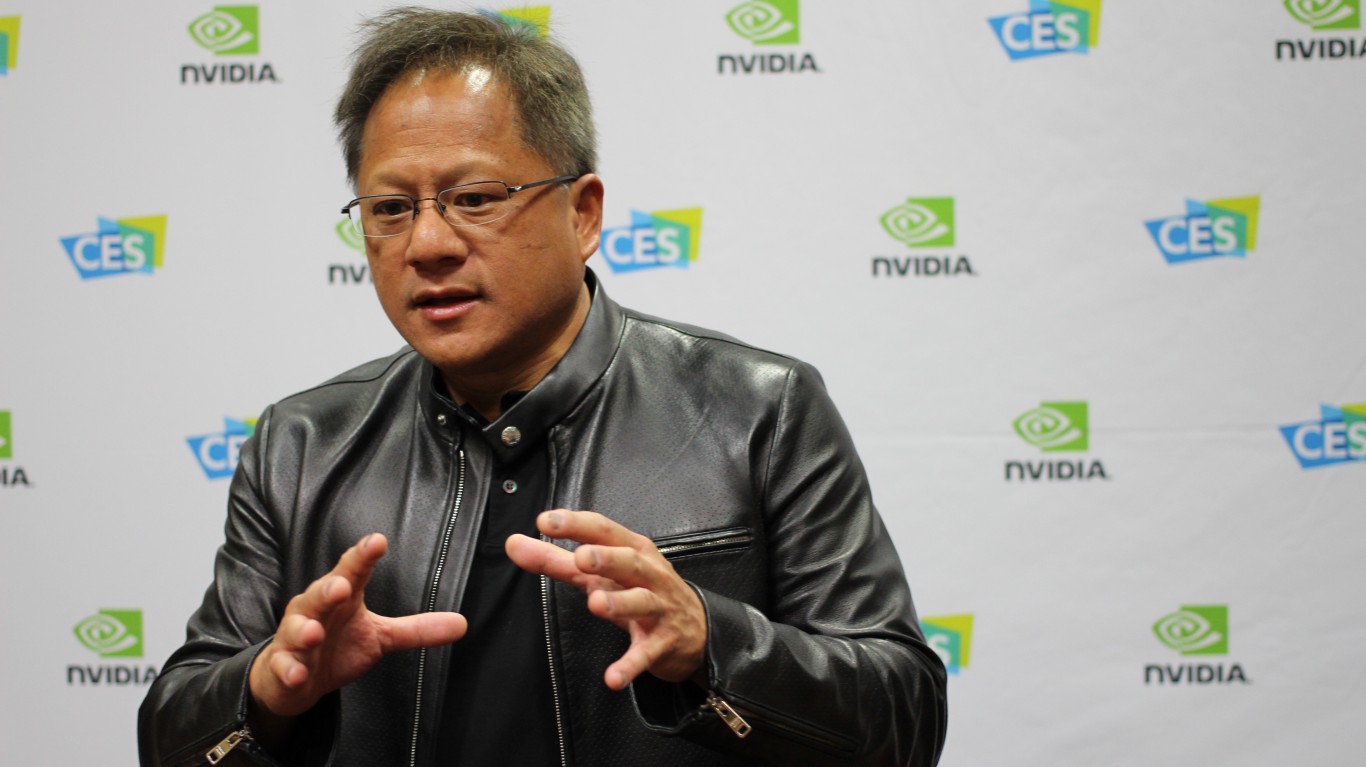
Nvidia (NASDAQ:NVDA | NVDA Price Prediction) CEO Jensen Huang’s recent appearance on the Dwarkesh Podcast was one of the most direct and consequential things he’s said publicly in years.
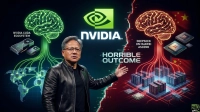
His argument, stripped to its core: the U.S. should permit Nvidia to sell chips to China, because blocking those sales does not stop China from building AI. It simply redirects Chinese spending toward domestic alternatives while costing American companies billions.
“China’s AI moves on with or without U.S. chips. It has to compute to train and deploy advanced models. The question is not whether China will have AI, it already does. The question is whether one of the world’s largest AI markets will run on American platforms.”
Jensen Huang, Dwarkesh Podcast / Q1 FY2026 Earnings Call
The financial stakes are not abstract. Nvidia took a $4.5 billion inventory charge in Q1 FY2026 tied directly to H20 export restrictions imposed in April 2025. Another $8 billion in H20 revenue was expected to evaporate in Q2. CFO Colette Kress noted that the China AI accelerator market is expected to grow to nearly $50 billion, and losing access to it “would have a material adverse impact on our business going forward and benefit our foreign competitors in China and worldwide.”
Huang’s deeper concern is a platform war. “The AI race is not just about chips. It’s about which stack the world runs on.” When Chinese developers build on Huawei’s Ascend ecosystem instead of Nvidia’s CUDA stack, they create an alternative that can then be exported globally. Export controls, in Huang’s framing, accelerate exactly the rival ecosystem the U.S. is trying to prevent.
He extended this argument to open-source AI: “U.S. platforms must remain the preferred platform for open-source AI. That means supporting collaboration with top developers globally, including in China. America wins when models like DeepSeq and QN run best on American infrastructure.”
For investors, the Q1 FY2027 guidance tells the story plainly: Nvidia’s ~$78 billion revenue outlook explicitly excludes any Data Center compute revenue from China. That is a structural hole in the model until policy shifts. Despite that, Nvidia has returned about 77% over the past year and analysts carry a consensus price target of roughly $268, suggesting the market is pricing in a recovery scenario.
Huang is making a bet that Washington eventually agrees with him. Whether you find his argument compelling or not, the China question is a large swing factor in Nvidia’s long-term revenue trajectory, and any investor holding NVDA needs to treat it that way.
Contact [email protected] for any questions or corrections.
I've been writing about stocks and personal finance for 20+ years. I believe all great companies are tech companies in the long run, and I invest accordingly.