Nvidia Vs. AMD: Who Wins The Critical Coming 6 Month Period?
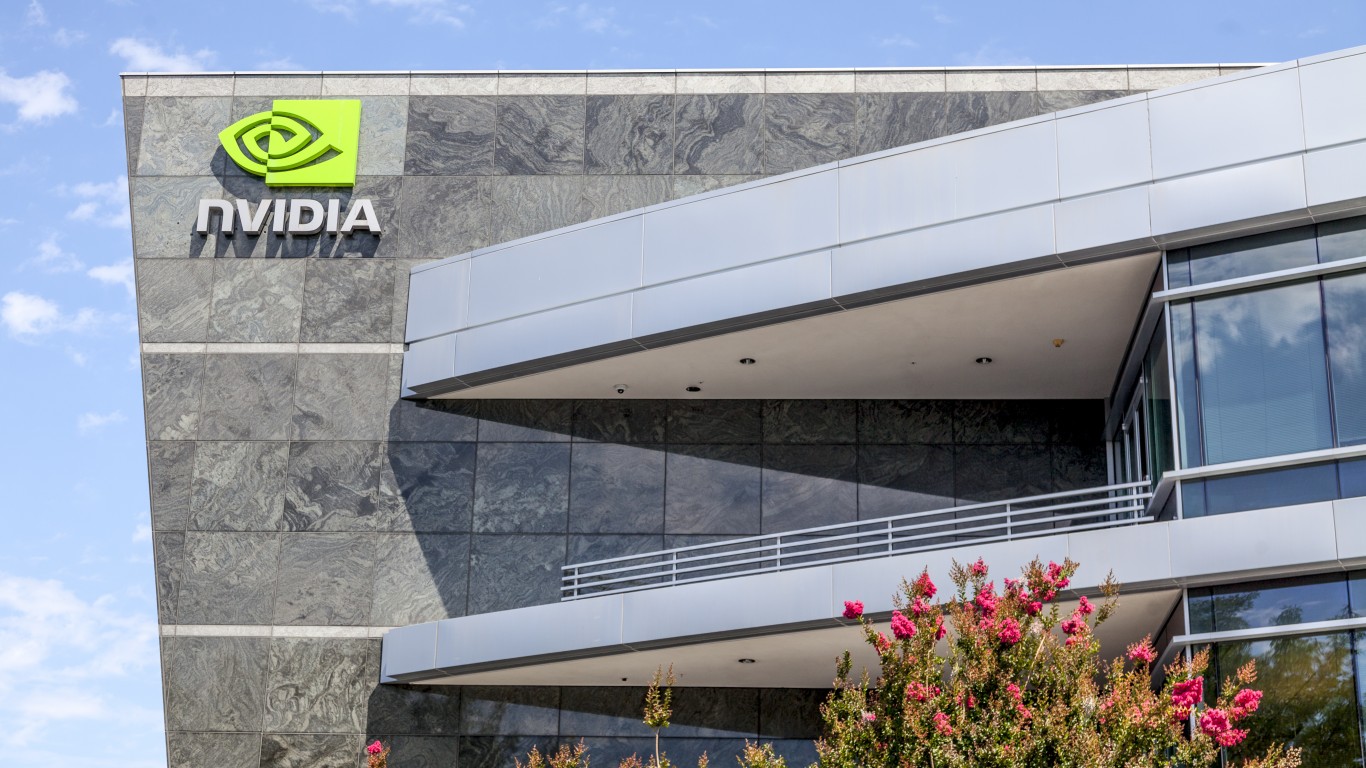
NVIDIA is already shipping Vera Rubin while AMD's Helios rack barely leaves the gate, and the next six months will separate a compounding platform giant from a challenger with gigawatt contracts but a dangerously stretched valuation.

This post may contain links from our sponsors and affiliates, and Flywheel Publishing may receive compensation for actions taken through them.
NVIDIA (NASDAQ: NVDA | NVDA Price Prediction) and AMD (NASDAQ: AMD) both reported earnings that reset expectations for the AI accelerator race. NVIDIA posted $96.22B in Q2 FY27 revenue, up 105.8% YoY, while AMD delivered $11.54B, up 50.1% YoY, with Data Center revenue more than doubling to $6.72B. The next six months will decide whether AMD’s challenger arc keeps compounding or NVIDIA’s platform lock tightens further.
Vera Rubin Ramps While Helios Just Leaves the Gate
NVIDIA is already shipping its next platform. Jensen Huang told investors Vera Rubin will mark “the fastest product ramp in NVIDIA’s history” and should account for roughly 20% of data center revenue in fiscal Q3. Guidance calls for $108B in Q3 revenue, and management flagged that supply covers only about 70% of demand.
AMD’s Helios rack, built around EPYC Venice and MI450, is only now starting to ship. Lisa Su said “Q3 is the very beginning of the ramp. Q4 is a step up and then Q1 will be a further step up”. Q3 guidance is ~$13B, +41% YoY, and AMD claims Helios delivers up to 30% more tokens per dollar than the competition.
| Driver | NVIDIA | AMD |
| Data Center YoY | +117% | +107% |
| Non-GAAP Gross Margin | 75.0% | 56% |
| Flagship Platform | Vera Rubin (full production) | Helios (shipments starting Q3) |
Ecosystem Lock vs. Second-Source Momentum
NVIDIA’s economics keep climbing. Management pegged Vera Rubin revenue at $40 billion per gigawatt, versus $25 billion for Blackwell, and disclosed hyperscaler cloud backlog above $2 trillion. That is a formidable moat, and it also floats every supplier downstream of the accelerator (we pulled together seven of those non-chip beneficiaries, from power to cooling to networking, in a free report you can grab here).
AMD’s counter is customer diversification. Anthropic committed to up to 2 gigawatts of MI450 in Helios, layered onto prior OpenAI and Meta gigawatt deals. Su told analysts a $30 billion 2027 Instinct revenue estimate was likely too low. Margins are the vulnerability: AMD trades at a trailing P/E of 154, versus NVIDIA’s 29.
Six Months That Decide the Narrative
I will be watching whether Vera Rubin ships clean at scale. NVIDIA warned margins bottom in Q4 near 71% to 72% on memory inflation. For AMD, the tell is Helios yields and Q4 step-up. You should also weigh the $279B in supply obligations NVIDIA has taken on, and AMD’s bullish 60.5 sentiment score against its 185.68% six-month rally.
Why I Lean NVIDIA for the Next Two Quarters
For me, NVIDIA looks like the safer name over the coming six months. The Vera Rubin ramp is booked, the margin structure is intact, and analyst EPS for FY28 sits at $15.68, up sharply from $12.88 thirty days ago. AMD is the more exciting story if you accept the valuation. A Helios miss in Q4 would sting hard at 154 times earnings. If you want a turnaround-flavored growth story with real gigawatt contracts, AMD still fits. If you want compounding at scale with less variance, NVIDIA is the lower-variance name.
Contact [email protected] for any questions or corrections.
Alex Sirois is a financial writer with experience spanning both retail and institutional investing. He has written for InvestorPlace and held roles at BNY Mellon and Bernstein, giving him a perspective that bridges Main Street portfolios and Wall Street analysis.
Alex holds an MBA from George Washington University and has built his career across multiple industries, including e-commerce, education, and translation — a breadth of experience that informs how he breaks down complex financial topics for everyday investors. His writing is conversational, actionable, and grounded in long-term, buy-and-hold investing principles.
At 247 Wall St., Alex focuses on delivering analysis that is both accessible and useful, with a clear emphasis on helping readers make more informed decisions with their money.