The Global Diesel Crisis Could Finally Get Some Relief From an Unexpected Source
Diesel just crossed $6.50 a gallon, and two emergency moves landed within hours of each other on opposite sides of the planet. One came from an old alliance under pressure, the other from a country that banned its own exports…

This post may contain links from our sponsors and affiliates, and Flywheel Publishing may receive compensation for actions taken through them.
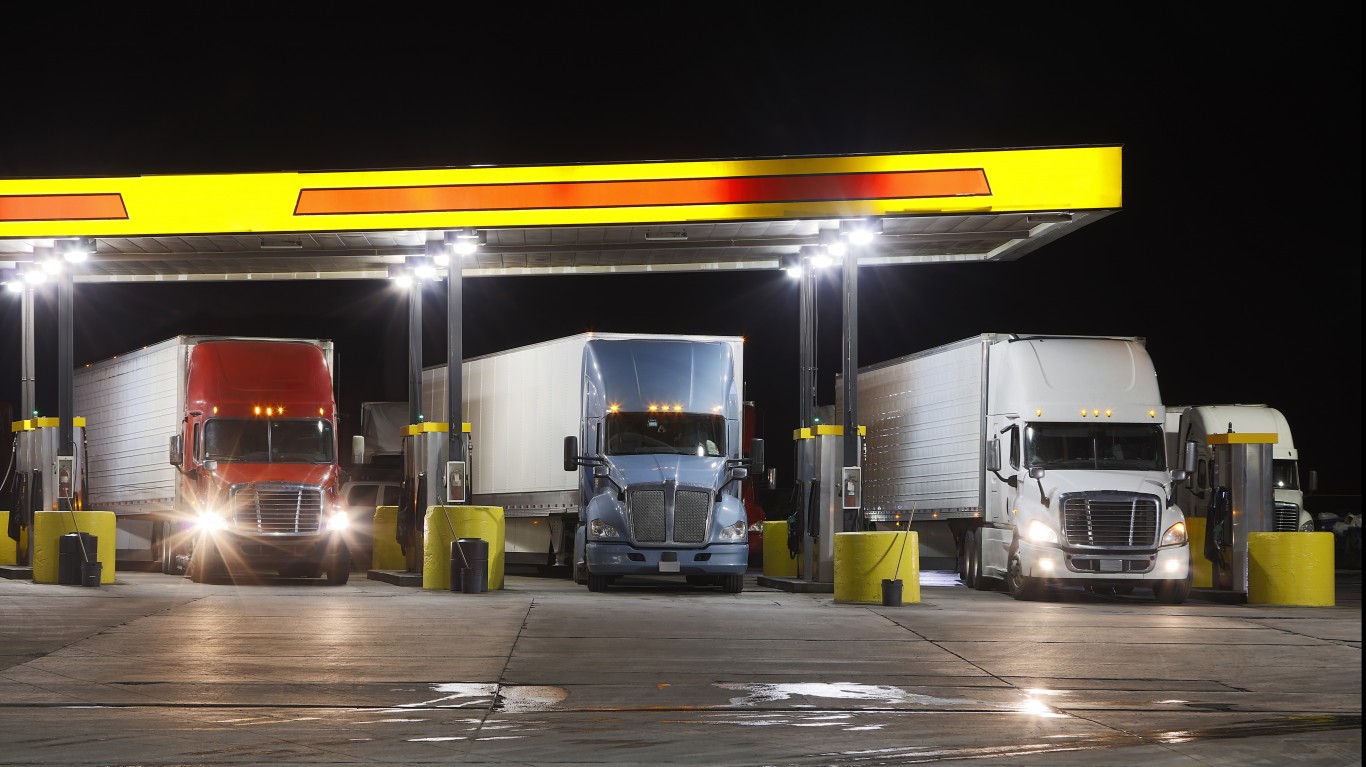
American truck drivers are paying record prices above $6.50 a gallon for diesel. On Friday, two possible sources of relief appeared within hours of each other. In Paris, French President Emmanuel Macron held an emergency G7 video call. It ended with an agreement to release 100 million barrels of oil and diesel over four months, with diesel going out in the first 20 days. In Moscow, Deputy Prime Minister Alexander Novak said Russia will consider partially reopening diesel exports if domestic production exceeds demand.
The Russian offer is the surprise. Before Russia began limiting sales this summer, it was the world’s second-largest diesel exporter after the United States. Even a partial return of those barrels would matter in a market tight enough to need coordinated emergency releases.
Why Diesel Broke Away From Crude
The shortage comes mostly from refining and shipping. The Iran war has blocked tanker traffic through the Strait of Hormuz, and Ukrainian drones keep hitting Russian refineries. Then China suspended October fuel exports to all destinations except Hong Kong and Macau. That pushed Asian gasoline refining margins to a record of more than $50 a barrel over Brent.
Oil has actually fallen. West Texas Intermediate settled at $96.16 on September 29, below its $107.02 peak on September 15. U.S. refiners have little room to make up the difference. The Energy Information Administration’s May outlook expected refineries to run at 95% to 96% of capacity through mid-year. It also projected third-quarter distillate stocks of 105.7 million barrels, compared with 125.2 million a year earlier.
Diesel moves groceries, freight, and farm equipment, so households feel these costs in more than the fuel itself. Regular gasoline now averages $4.46 a gallon, up $0.38 in a month. The Consumer Price Index rose 0.4% in August.
Moscow’s Offer Comes With Strings
Don’t count Russian barrels as supply yet. Russia extended its export ban through the end of October only days ago. On Thursday, President Vladimir Putin said Russia will not supply its diesel to global energy markets until sanctions against Moscow are lifted. Novak described the drone attacks as “tense” and said Russia stopped attacks on four refineries overnight. Russian exports depend on Ukraine’s drone campaign and on Putin’s politics. Neither is something traders can forecast.
The G7 release is more certain, and it came from pressure. President Trump had threatened to stop U.S. diesel exports, a move Macron called “catastrophic”. France alone uses about 600,000 barrels of diesel a day and imports half.
What Refining Margins Will Reveal by November
Right now, the case for higher fuel prices depends on broken refining and trade flows, even as crude prices have fallen. That means diesel prices could drop faster than oil if the constraints clear. If Russian barrels return while G7 diesel reaches the market, the companies with the most to lose are the refiners earning record margins.
There are three signals to watch. One signal is Russia’s decision on the export ban at the end of October. Another is the EIA’s weekly distillate stocks figures through November. The gap between diesel and crude prices is the third. A narrowing gap, with crude holding steady, signals that relief has arrived. If it widens, the 100 million barrels will have bought only four months of breathing room.
Contact [email protected] for any questions or corrections.
After two decades of patrolling the dark corners of suburbia as a police officer, Rich Duprey hung up his badge and gun to begin writing full time about stocks and investing. For the past 20 years, he’s been cruising the markets looking for companies to lock up as long-term holdings in a portfolio while writing extensively on the broad sectors of consumer goods, technology, and industrials. Because his experience isn’t from the typical financial analyst track, Rich is able to break down complex topics into understandable and useful action points for the average investor. His writings have appeared on The Motley Fool, InvestorPlace, Yahoo! Finance, Money Morning, and, of course, 24/7 Wall St. He has been featured in both U.S. and international publications, including MarketWatch, Financial Times, Forbes, Fast Company, and USA Today.