‘A Massive Pile of Debt’ Threatens Ellison’s New Media Empire
David Ellison celebrated his new media empire with a triumphant post, but his own shareholders are already paying a steep price, and the hardest questions about debt, job cuts, and a brutal film quota have only just begun.


David Ellison marked the combination of Paramount Skydance (NASDAQ:PSKY | PSKY Price Prediction) and Warner Bros. Discovery (NASDAQ:WBD) with a post saying “What once was the peak, is now just the beginning,” and Elon Musk replied “Congratulations!” Investors have scored the deal very differently. Target shareholders came out ahead, and the acquirer’s shareholders paid for it.
Shares of Warner Bros. Discovery have climbed 9.56% over the past month to $30.95, setting a new 1-year high as the takeover moved to close.

Deal Close Pushes Warner Bros. Discovery to a 1-Year High
The main driver of the move is the deal itself. Paramount’s long-fought takeover of Warner Bros. Discovery closed Tuesday, according to CNBC. Over the past month, WBD rose from $28.25 to $30.95. Over the past week it barely moved, up 0.16%, which is typical for a target trading close to deal terms as closing approaches.
The longer view stands out more. WBD is up 62.98% over one year, from a starting price of $18.99. Management had told investors on the August 6, 2026 earnings call that “we’re confident this transaction will close.” That quarter, GAAP EPS of $0.06 beat a consensus loss of -$0.10. Revenue of $8.72B fell short of the $9.21B estimate, while streaming adjusted EBITDA reached $512M.

Acquirer Shareholders Are Footing the Bill
Acquirer shareholders have done worse. Paramount Skydance closed at $9.78. That leaves it down 47.85% over one year and 25.98% year to date. Over the same month that lifted WBD, Paramount Skydance fell 9.58%, including a 4.91% drop over the past week.

Bloomberg media reporter Hannah Miller laid out on Bloomberg Businessweek what the combined company gets: “There’s a massive pile of debt that’s being taken on here.” The open question, she said, is how Ellison balances paying it down with investing in new content and new technology. Ellison is targeting $6 billion in cost efficiencies, a goal that has raised concerns among employees about job losses.
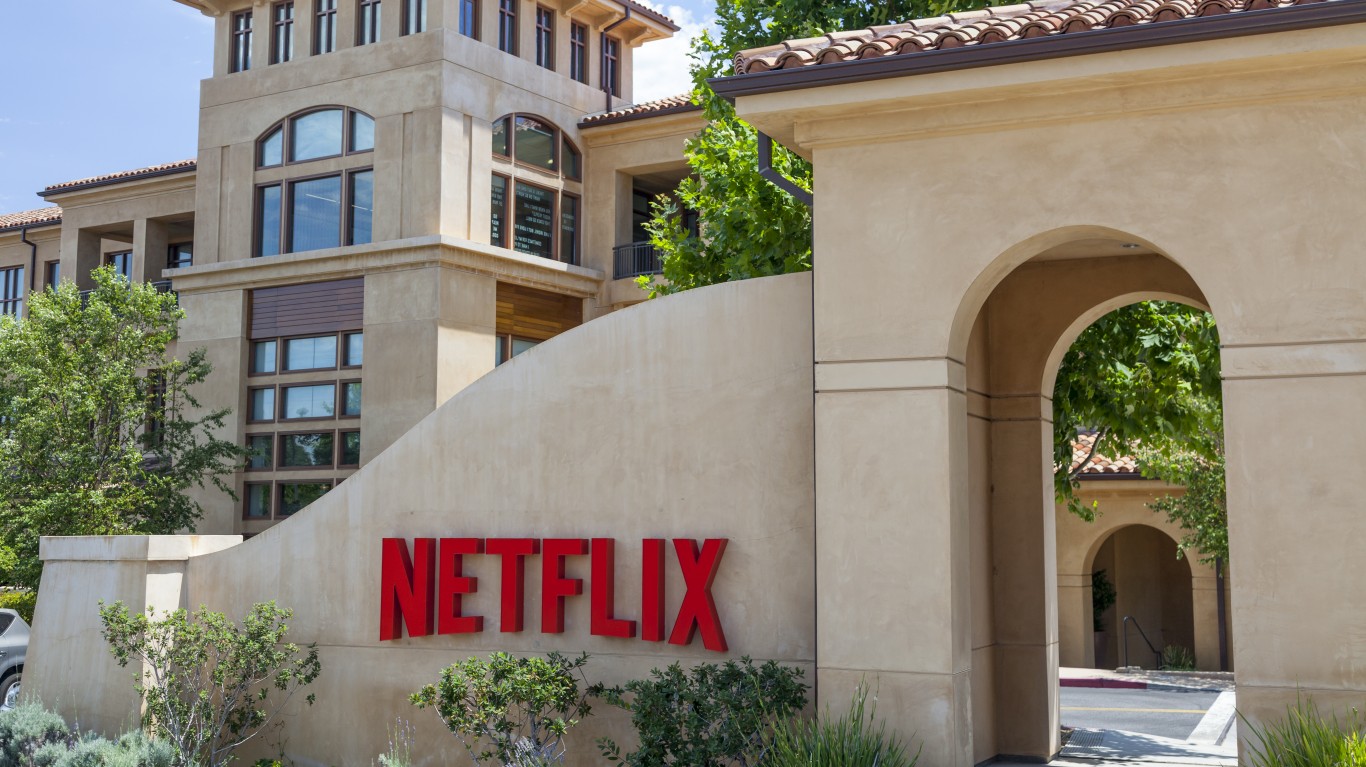
Warner Bros. Discovery brings a heavy balance sheet into the merger. As of its most recent quarter, it reported $33.1B in gross debt, $29.7B in net debt and net leverage of 3.4x. Cash and equivalents fell to $3.37B, and first-half cash flow absorbed a $2.8B termination fee paid to Netflix (NASDAQ:NFLX) under the Paramount Skydance deal terms.
Then comes the film quota. Under the settlement, the company must release 30 theatrical films every year, and Miller noted there is a financial penalty if it fails to meet that goal. For scale, Warner Bros. said it was making 14 films this year, ramping to 19 next year. Analysts are split. Some see the target as realistic given Ellison’s stated ambitions, while others call it a “tough goal” for a struggling Hollywood that risks giving up quality for quantity.
Jim Cramer delivered a similar warning on CNBC, saying Skydance faces a difficult path with heavy debt and a challenged media industry. He pointed to leverage, restructuring and weak stock performance.
Key Tests for Skydance in the Coming Months
Keep an eye on the combined company’s first financial reports for debt reduction targets and progress toward the $6 billion efficiency goal. The next major content moment is the Harry Potter series, which premieres on HBO Max on Christmas Day 2026. The 30-film commitment begins testing the balance sheet right away.
Contact [email protected] for any questions or corrections.
AJ spent 10 years writing about financial markets at The Motley Fool. His coverage centers on technology stocks and the broader macroeconomic trends, from interest rates to geopolitics, that shape where markets are headed next. AJ is drawn to the stories where big-picture economics and individual companies collide.