America’s 10 Strongest State Economies in 2026
CNBC ranked every state economy across 138 metrics, and the results produced a top 10 where massive GDP alone could not save some of the country's biggest states from finishing behind places most people never think of as economic powerhouses.


Having a huge economy does not automatically mean a state has one of the strongest economies. California and Texas can overwhelm most states on sheer size, but CNBC’s 2026 analysis looked much deeper than total output.
As part of its annual America’s Top States for Business study, CNBC ranked every state on economic growth, jobs, fiscal health, housing, foreign investment, trade exposure, business formation, and several other factors. The result produced a top 10 that included some obvious economic heavyweights and a few states you may not have expected.
How CNBC Ranked America’s State Economies
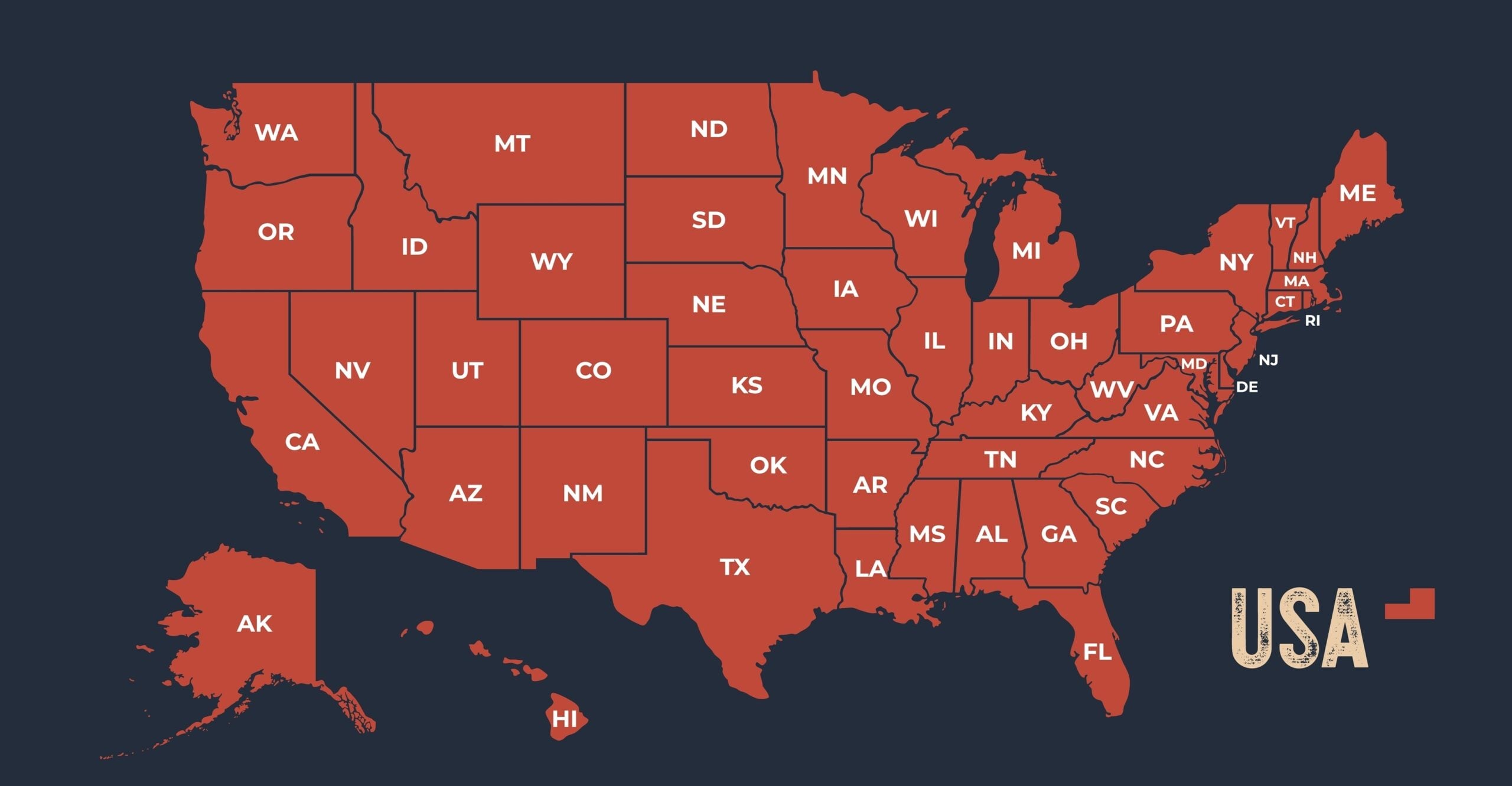
CNBC’s 2026 America’s Top States for Business study evaluated all 50 states across 138 metrics in 10 categories. Economy was the second-heaviest category, accounting for 16.6% of each state’s total score, just behind Infrastructure at 17.6%. For the Economy ranking, CNBC considered GDP and job growth, state finances and credit ratings, housing-market health, foreign investment, international trade, exposure to tariffs and federal spending cuts, major corporate headquarters, new business creation, and the survival rate of young businesses. In other words, this was not simply a ranking of which states had the biggest GDP.
Ohio Won the Overall Ranking, But Not the Economy Ranking

There is an important distinction before we get into the economy list. Ohio was CNBC’s No. 1 state for business overall in 2026, the first time it had ever taken the top spot. The Buckeye State climbed from fifth in 2025 and 34th back in 2010. Its biggest advantages were the nation’s No. 1 infrastructure ranking and No. 1 cost of doing business. More than 143 million people live within a one-day drive of Ohio, giving companies unusually broad market access. But when CNBC looked strictly at economic strength, Ohio ranked ninth. That tells you how different the two rankings really are.
10. Wisconsin

Wisconsin opened CNBC’s top 10 with an Economy score of 258 out of 415. The state’s real GDP reached $359.6 billion in 2025, up 1.5% from the previous year. One thing CNBC particularly liked was the state’s small-business picture. A Wisconsin Policy Forum study found the number of new small businesses increased 20.2% between 2020 and 2025, while Wisconsin also ranked well for the survival of young businesses. The state carried a Moody’s Aa1 rating with a stable outlook. Wisconsin still has plenty of exposure to agriculture and international trade, but its combination of business formation and relatively durable new companies helped push it into the top 10.
9. Ohio
Ohio earned 275 out of 415 points for its economy, adding another strength to the state that CNBC ranked No. 1 for business overall. Real GDP reached $734.4 billion in 2025, an increase of 1.7%. Ohio also carried a Moody’s Aaa credit rating and attracted $7.8 billion in foreign direct investment in 2024. Major companies including Procter & Gamble, GE Aerospace, and FirstEnergy call the state home. CNBC did flag some weaker areas, particularly its relatively small rainy-day cushion and a housing market that has produced more modest gains than some faster-growing states. Still, ninth nationally is nothing to sneeze at.
8. Minnesota
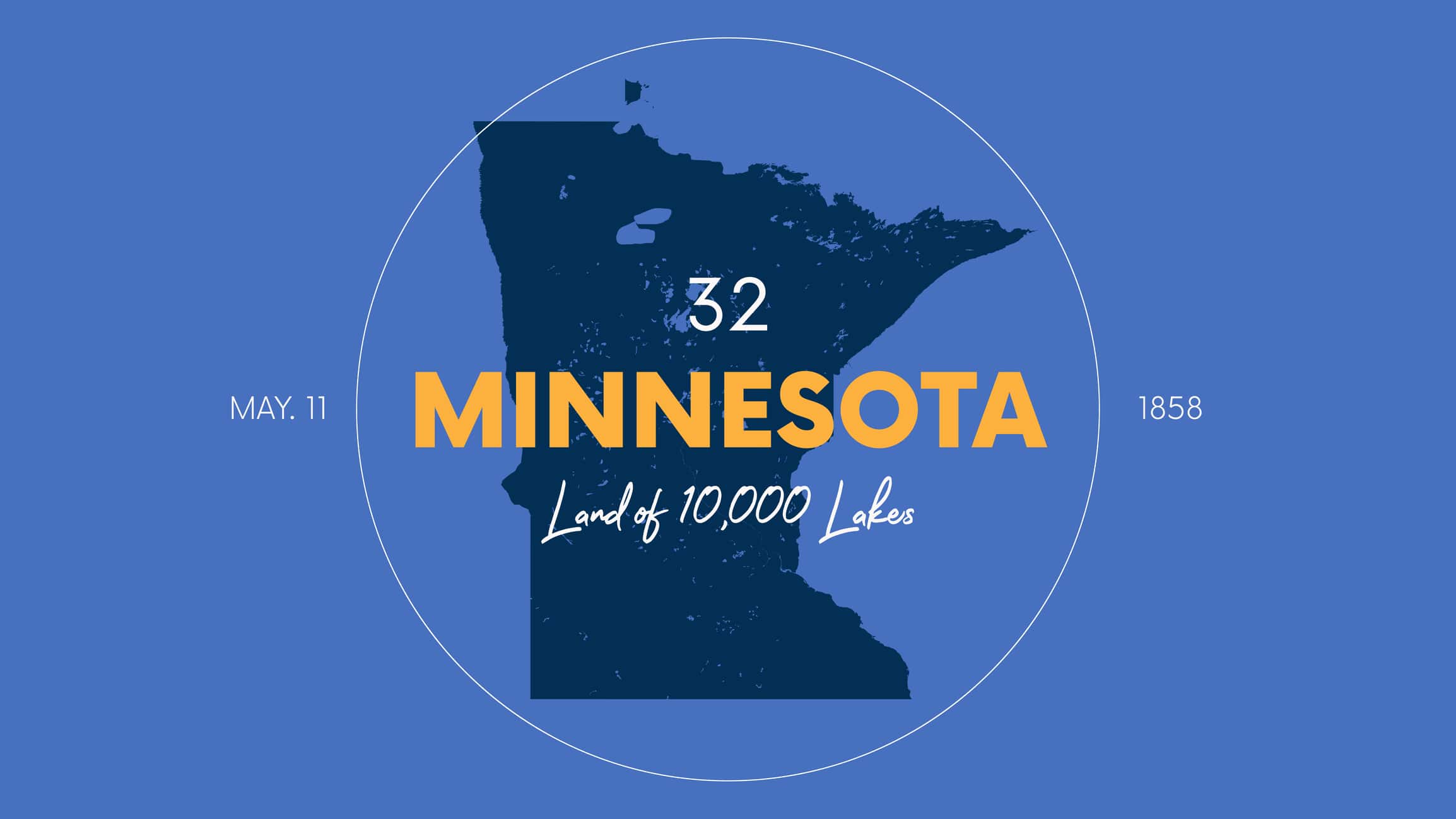
Minnesota scored 278 out of 415, good enough for eighth place. Its $405.8 billion real economy grew 1.6% in 2025, which was slower than the nation as a whole but an improvement from the previous year. Minnesota’s financial foundation was considerably stronger. The state maintained a Moody’s Aaa rating, and CNBC found that small businesses there tended to have a solid survival rate once they were established. Housing also remained relatively affordable despite respectable price appreciation. With major headquarters including Target, UnitedHealth Group, and Hormel Foods, Minnesota had enough stability to overcome its slower headline growth rate.
7. Delaware

Delaware may be tiny, but its economy scored 284 out of 415. Real GDP reached $87.3 billion in 2025 after growing 2.3%, while the state maintained an Aaa credit rating. Delaware also had one of the lowest levels of federal budget dependence in the country, with federal funds accounting for about 22.5% of state spending. That gave it some insulation from spending battles in Washington. Delaware’s famously business-friendly corporate laws have attracted an enormous number of company registrations, although CNBC noted that actual new-business formation was closer to average and that young businesses did not always survive at particularly high rates.
6. South Carolina

South Carolina had one of the strongest growth stories on the entire list. Real GDP jumped 3.1% in 2025 to $286.8 billion, tying Florida for the fastest growth among the states CNBC examined. Job growth also landed in the national top 10. One major factor was people actually moving there. South Carolina ranked third for net migration of college-educated workers, giving employers a growing pool of skilled labor. CNBC also found that no state had a better survival rate for new businesses. Add an Aaa credit rating and $2.6 billion in foreign direct investment, and South Carolina earned 286 points and sixth place.
5. Washington

Washington landed in fifth with 287 points. The state’s real GDP reached $717.5 billion in 2025, growing 2.2%, while companies including Amazon, Microsoft, and Costco helped give Washington one of the country’s strongest corporate bases. It also continued attracting foreign investment and entrepreneurs. The concern was on the government’s side of the ledger. CNBC cited Pew estimates showing Washington had enough total fund balance to cover only about 28 days of spending, the lowest figure in the country. State forecasters had also warned of softer tax collections as consumer spending and other economic activity slowed. The private economy remained strong enough to keep Washington comfortably in the top five.
4. New York

New York’s economy was enjoying a much stronger stretch when CNBC compiled its rankings. Real GDP climbed 2.9% in 2025 to $1.89 trillion, the third-fastest growth rate in the country. Strong financial markets and the AI investment boom helped boost both economic activity and state tax collections. But there were some flashing yellow lights. New York led the country in the out-migration of college-educated workers, according to Census data used by CNBC, while housing remained extremely expensive and new-business formation was weak. For the moment, though, its enormous corporate base and strong growth pushed the Empire State to fourth with 289 points.
3. California

California’s massive economy earned third place with 295 points. Its inflation-adjusted GDP reached $3.38 trillion in 2025, up 2.1%, while the stock-market rally and AI boom poured money into the state. California attracted $13.4 billion in foreign direct investment in 2024 and remains home to companies such as Apple, Nvidia, and Disney. There was a catch, because with California there usually is one. Unemployment stood at 5.3% in May when CNBC compiled the ranking, the highest rate in the country, while housing remained brutally expensive. State analysts had also cautioned that an unexpected tax windfall tied partly to booming markets might not last forever.
2. Texas
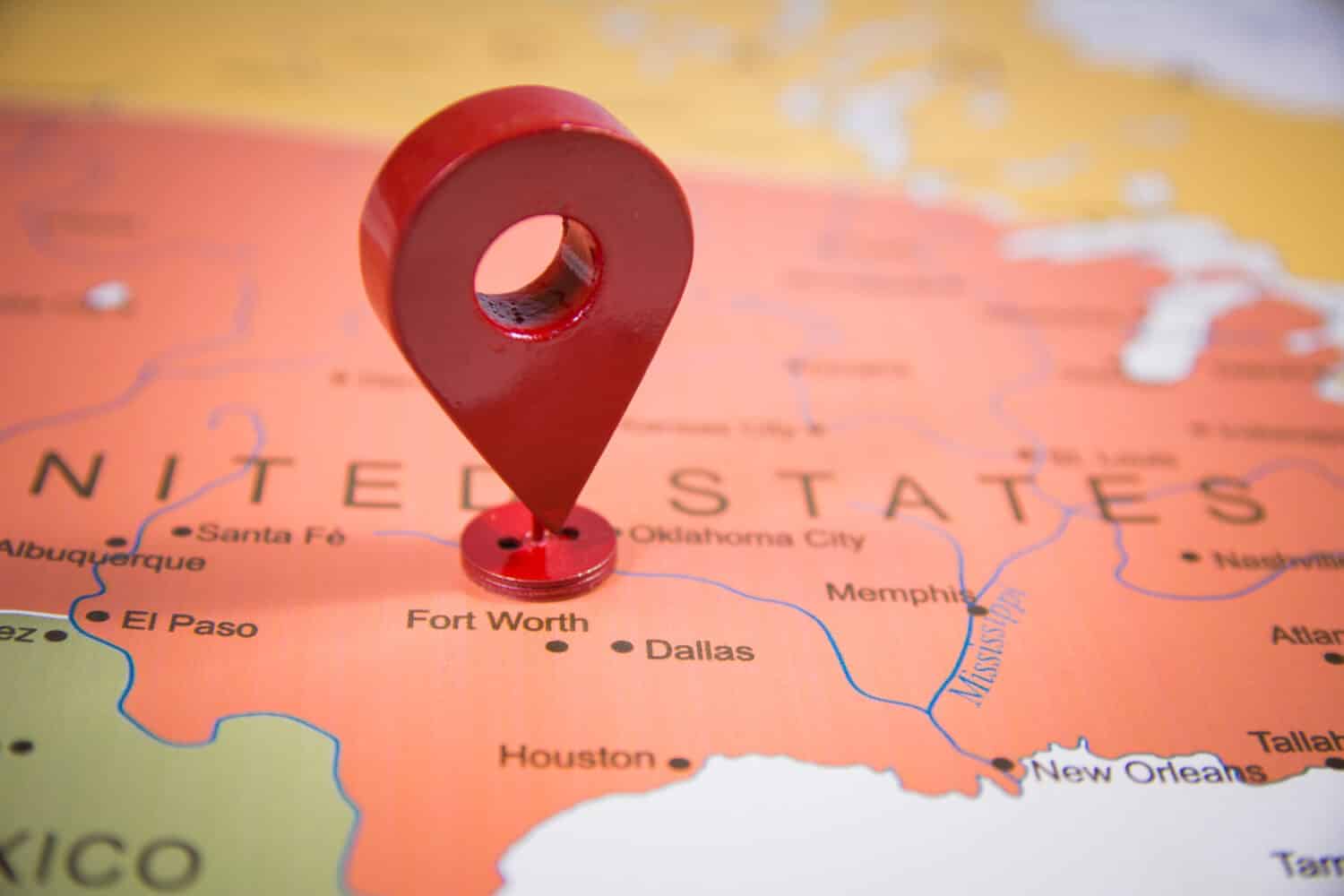
Texas came about as close to the top as possible without taking it. The Lone Star State scored 302 out of 415 and posted $2.27 trillion in real GDP in 2025, up 2.5%. It pulled in $22.1 billion in foreign direct investment in 2024, and its roster of major headquarters includes Oracle, Tesla, and AT&T. Texas also continued producing strong job growth and new businesses. The weak spot was housing. Price appreciation had stalled while foreclosures were rising, and the state’s enormous international trade footprint made it particularly exposed to tariffs. International goods trade equaled roughly 29.3% of nominal state GDP, far more than most states near the top of the ranking.
1. North Carolina

North Carolina took the crown with 317 out of 415 points. Its real GDP grew 2.7% in 2025 to $682.4 billion, while both job growth and new-business activity remained strong. Foreign direct investment reached $5.26 billion in 2024, and the state retained an Aaa credit rating. North Carolina also gained roughly 84,000 residents from domestic migration between July 2024 and July 2025, more than any other state. The biggest risk was federal dependence. Nearly 40% of state spending came from federal funds, leaving North Carolina more exposed than Texas or several other states if Washington cuts deeply. Even so, CNBC found no state with a stronger overall economic mix.
Texas Was Bigger, but North Carolina Was More Balanced

If we ranked states by economic size alone, this would not have been much of a contest. Texas produced more than three times as much real GDP as North Carolina and attracted more than four times as much foreign investment. CNBC was looking for something different. North Carolina combined strong growth, migration, new businesses, a healthy credit rating, and relatively limited tariff exposure. Texas scored extremely well in most of those areas too, but a cooling housing market and unusually heavy exposure to international trade cost it points. That was enough to create a 15-point gap between first and second.
North Carolina’s Budget Standoff Was Already Over

One detail is worth updating from when these rankings were being assembled. North Carolina had operated for more than two years without a new comprehensive state budget, something CNBC considered when evaluating its finances. That fight ended just before the rankings were released. Gov. Josh Stein signed a new $34.4 billion spending plan on July 7, two days before CNBC unveiled its overall state rankings and less than a week before its economy deep dive. So the political stalemate was real, but by the time readers saw the final economy ranking, it had already been resolved.
The Biggest Economy Is Not Necessarily the Strongest

The most interesting thing about this list may be what it does not measure. California, Texas, and New York are economic giants, but sheer GDP was only one part of CNBC’s formula. A smaller state could make up ground with faster growth, stronger finances, healthier housing, successful young businesses, or less exposure to outside shocks. That is how Delaware finished seventh and South Carolina sixth, despite economies that are only a fraction of the size of California’s. It is also why CNBC’s Economy ranking should be read as a measure of economic strength and resilience, not simply a list of America’s richest states.
Business Strength and Everyday Life Are Different Questions

There is another important caveat. A strong economy does not automatically mean residents have the easiest or cheapest lives. Texas ranked second for Economy but 49th for Quality of Life in CNBC’s broader study. North Carolina ranked first for Economy but 35th for Cost of Living and 34th for Quality of Life. California’s economy finished third even with some of the country’s least affordable housing. These rankings are useful for understanding where businesses and investment are thriving, but they should not be treated as a simple answer to where someone should move, retire, or raise a family.
What the 2026 Rankings Really Show

Looking back at CNBC’s summer ranking, there was no single recipe for a strong state economy. North Carolina won with growth and balance. Texas leaned on sheer scale, investment, and jobs. California rode technology and financial markets. South Carolina benefited from migration and business survival, while Delaware relied heavily on fiscal stability. Even Ohio, which won CNBC’s overall business ranking, reached the top through infrastructure and low business costs rather than having the country’s strongest economy. The common thread was resilience. The states that ranked highest had several different engines working at once, giving them more room to absorb whatever came next.
Contact [email protected] for any questions or corrections.