Gold Just Fell to a Two-Month Low as the Fed Signals Another Hike
The Fed just signaled it may not be done raising rates, and gold is paying the price. Here is what the selloff means for miners whose profit forecasts still depend on prices the market has already abandoned.

This post may contain links from our sponsors and affiliates, and Flywheel Publishing may receive compensation for actions taken through them.

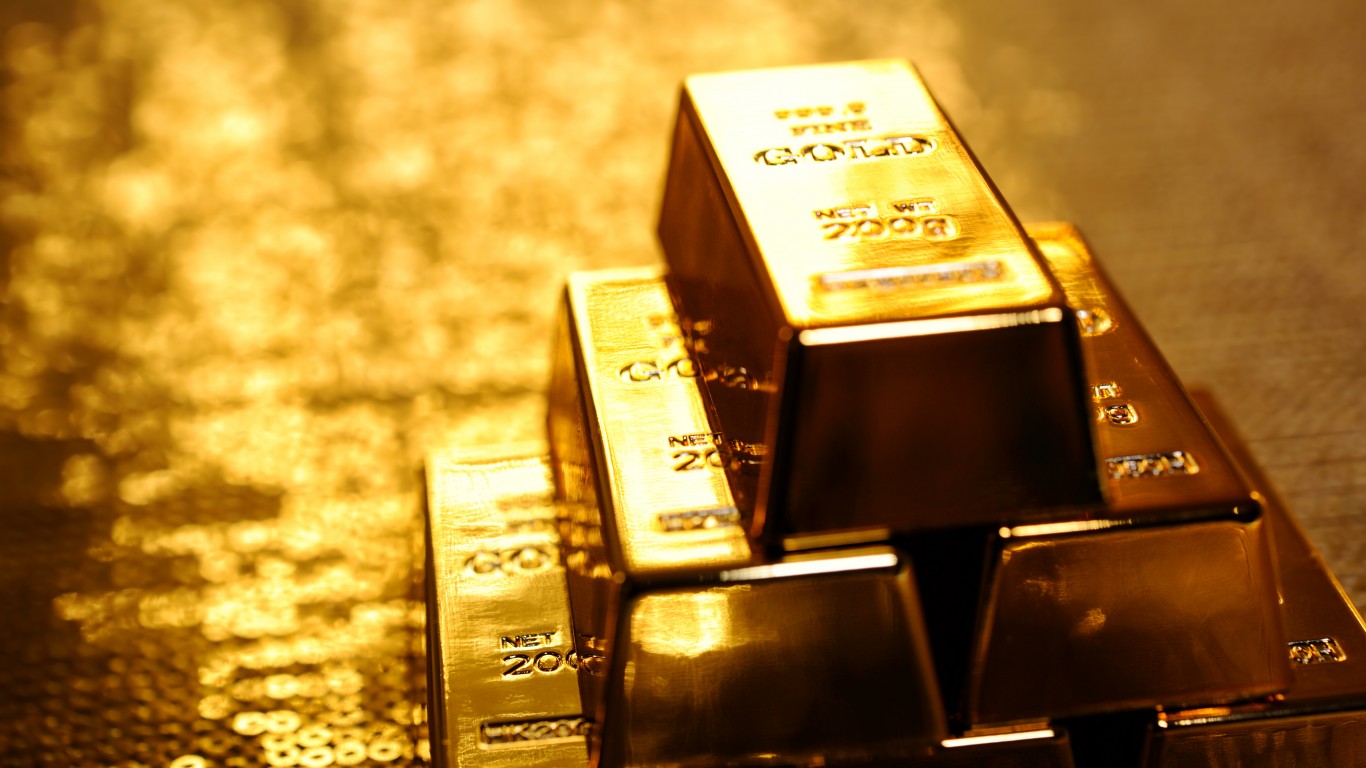
Spot gold closed at $4,109.90 an ounce on Oct 7, 2026. That was a one-session fall of 1.28% and the lowest level since Aug 5, 2026. December gold futures settled at $4,140.70, down $46.40.
The selloff followed minutes from the Federal Open Market Committee meeting held Sept. 16, 2026. The minutes stated that “most participants assessed that another increase in the target range for the federal funds rate would likely be appropriate by year end.” The Fed raised rates at that meeting, and the target range now stands at 3.75% to 4.00%.
Silver fell more than gold, down 2.55% to $59.67, and mining stocks fell even harder.
Gold pays no interest, so rising Treasury yields make bonds more attractive than bullion.
The 10-year Treasury yield touched about 5.36%, its highest level since 2002. The US dollar index held above 102, a level last reached in April 2025. Gold is priced in dollars, so a stronger dollar makes each ounce more expensive for foreign buyers.
Spot gold set a record of $5,589.38 on Jan 28, 2026, and has since fallen about 26%. Investors who bought near the top are down sharply, although those who bought a year ago are still ahead. SPDR Gold Shares (NYSEARCA:GLD) is up 2.63% over 12 months.
Miners Fell Harder Than the Metal They Dig
GLD fell 1.67% to $375.88. The VanEck Gold Miners ETF (NYSEARCA:GDX) fell 3.13% to $85.46. Newmont (NYSE:NEM | NEM Price Prediction) lost 2.45% to $113.54, and Barrick Mining (NYSE:B) fell 3.78% to $39.18.
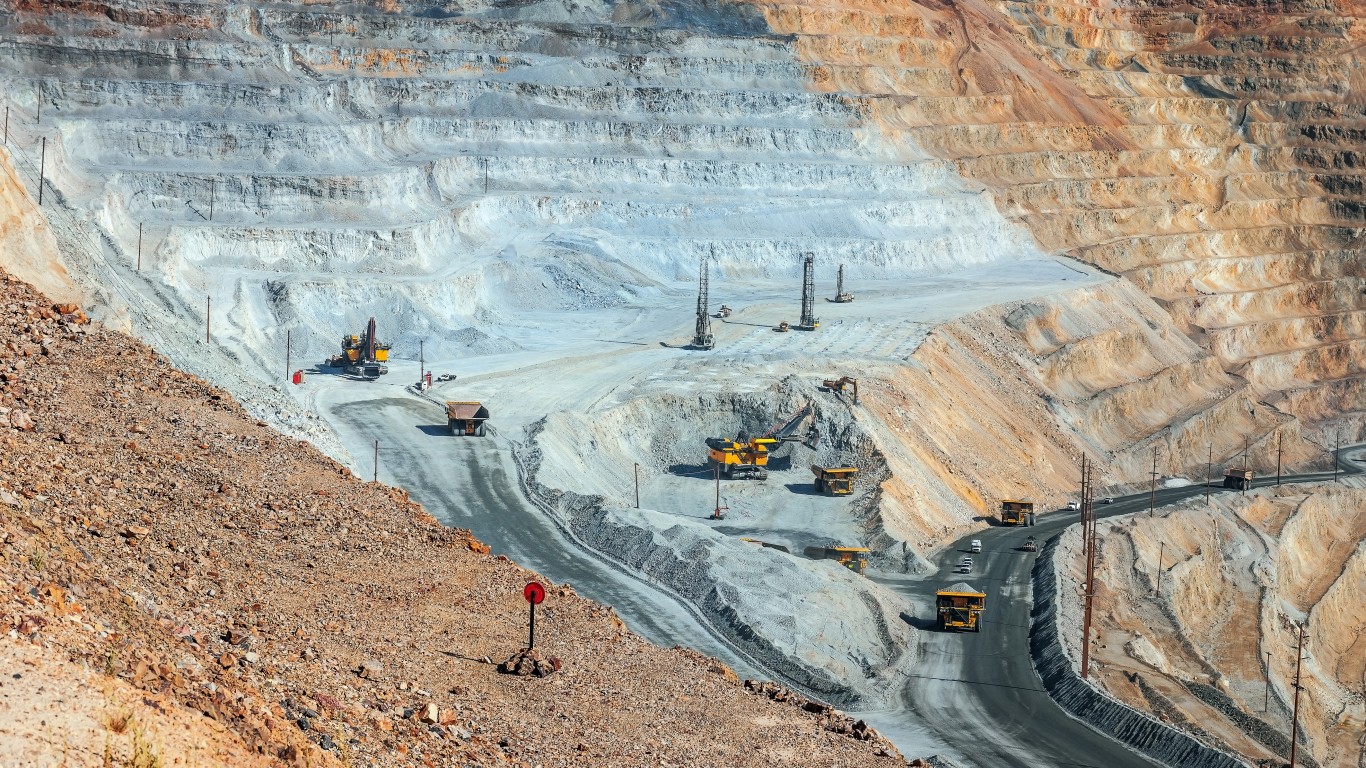
Mining costs are largely fixed, so profit margins move more than the gold price. In Newmont’s second quarter, its realized gold price rose about 33% from a year earlier while costs applicable to sales rose just 4%.
That leverage also works in reverse. Newmont’s 2026 guidance assumes gold at $4,500 an ounce, and spot gold now trades below that level.


Central Banks Are Still Buying
China’s central bank added gold for the 23rd consecutive month in September. Its holdings rose from 76.73 million ounces to 77.47 million ounces.
Peter Grant of Zaner Metals said “official gold demand is the main supporting factor,” but warned that “rates are going to continue to be higher for longer.” He expects gold at $4,400 at year-end. Goldman Sachs cut its year-end target to $4,900 and said gold could fall to $4,400 if the Fed hikes.
Rate Uncertainty Keeps Pressure on Gold Stocks
The bull case rests on central banks that have kept buying and miner leverage that would lift these stocks quickly if the metal turns higher, but the bear case is stronger. The Fed may still hike, the dollar is at a multi-year high, the 10-year yield is at its highest since 2002, and miners are falling faster than gold.
Gold stocks will likely stay under pressure until interest-rate direction becomes clearer. GLD has held up better than GDX. It fell 1.67% against 3.13% for GDX and carries no mining costs or operating risk.
Spot gold closing back above $4,500, the price built into Newmont’s 2026 guidance, would ease the pressure on miners’ margins. Until then, the margins in that plan are at risk.
Contact [email protected] for any questions or corrections.
Omor Ibne Ehsan is a writer at 24/7 Wall St. He is a self-taught investor with a focus on growth, cyclical, and dividend equities that have strong fundamentals, value, and long-term potential. He also has an interest in high-risk, high-reward investments such as penny stocks.