Oil Is Already at $100. Now a Hurricane Could Shut Down Gulf Production
Tropical Storm Isaias is bearing down on the Gulf Coast just as oil crosses $100 a barrel, and the real danger has nothing to do with offshore platforms. The threat sitting in the storm's path could keep fuel prices elevated…

This post may contain links from our sponsors and affiliates, and Flywheel Publishing may receive compensation for actions taken through them.

Brent crude, the global benchmark, settled at $100.20 on October 7, 2026, down 0.38%. West Texas Intermediate, the U.S. benchmark, fell 1.3% to $88.28.
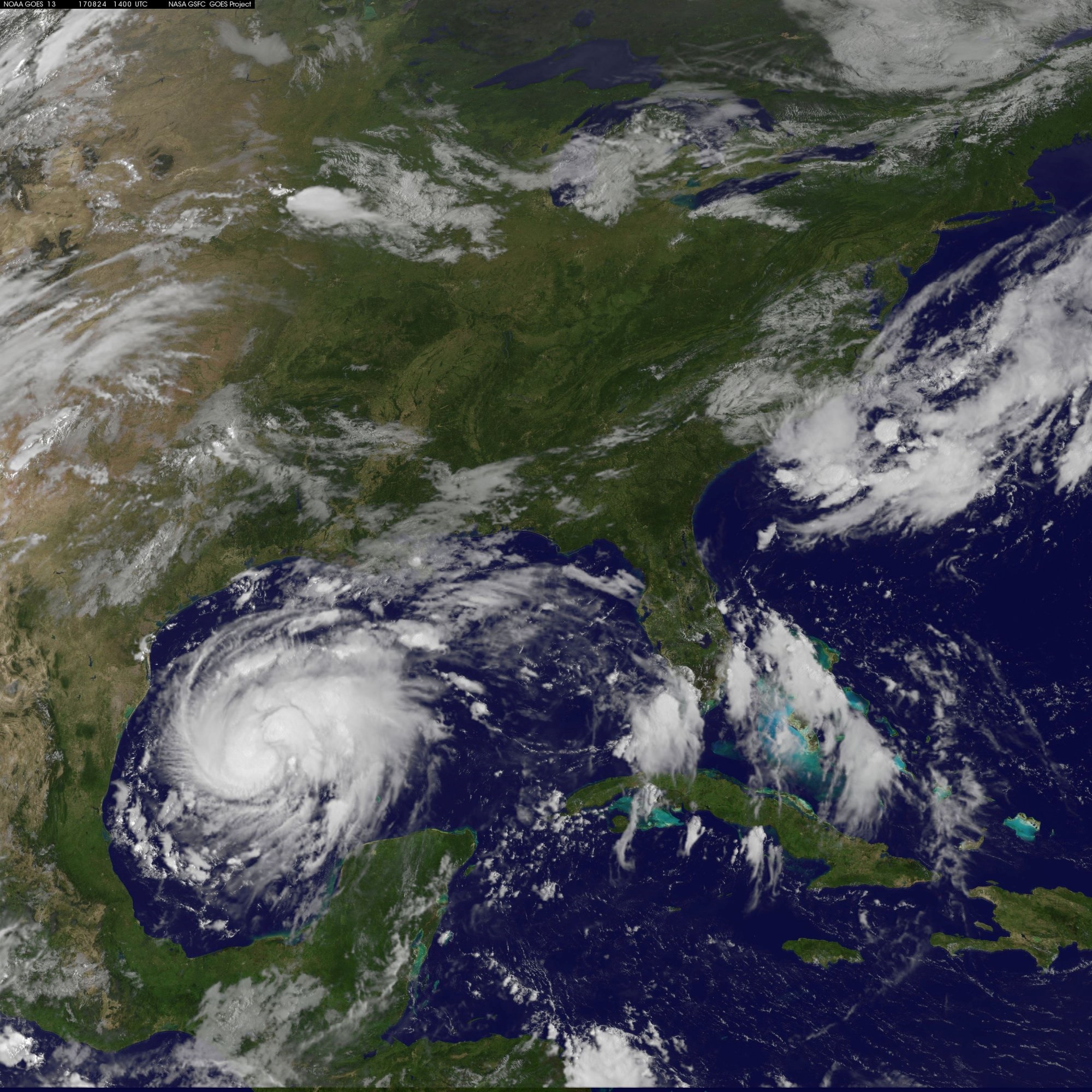
Traders are treating Middle East attacks as an emergency, and stock releases are moving faster. Tropical Storm Isaias is forecast to become a hurricane and reach the northern Gulf Coast.
Energy shares fell anyway. Chevron (NYSE:CVX | CVX Price Prediction) dropped 1.17% to $205.16, and Shell (NYSE:SHEL) slid 0.78%.
The State Street Energy Select Sector SPDR ETF (NYSEARCA:XLE) lost 0.58%, and the United States Oil Fund (NYSEARCA:USO) gave up 0.68%. The quiet reaction suggests investors expect a temporary supply interruption.
What Isaias Has Already Taken Offline
The National Hurricane Center put the storm’s maximum sustained winds at 70 mph, just under the 74 mph hurricane threshold. It said, “Isaias is forecast to become a hurricane by Thursday morning.”
The National Hurricane Center’s official forecast peaks at Category 2 with 110 mph winds. It expects landfall “along the U.S. northern Gulf Coast late Friday or early Saturday.”
The Bureau of Safety and Environmental Enforcement reported 511,619 barrels a day of Gulf oil shut in, or 25.08% of output, with 16.37% of gas output shut in and 8 of 371 platforms evacuated.
Shell is “evacuating all personnel and shutting in production” at Mars, Olympus, Ursa, Vito and Appomattox. Chevron began shut-in procedures at four Gulf facilities it operates but did not name.
How Big the Hit Is for Chevron, Shell and the Two Funds
Chevron posted U.S. upstream output of 2,077 thousand barrels of oil equivalent a day in the second quarter. Against $18.095 billion of free cash flow that quarter, a few days of lost output is small. The bigger risk is its Pascagoula, Mississippi, refinery, which sits near the storm’s path.
For Shell, the Gulf is one piece of a global business built on liquefied natural gas, fuel marketing and chemicals. That business brought in $94.664 billion of second-quarter revenue.
XLE holds energy stocks led by Exxon Mobil (NYSE:XOM) at 22.67% and Chevron at 16.09%, plus refiners that earn more when fuel margins widen. USO holds oil futures and replaces expiring contracts monthly. In contango, when later months cost more, each switch sells low and buys high, dragging returns over time.
Why Refineries and Diesel Matter More Than Platforms
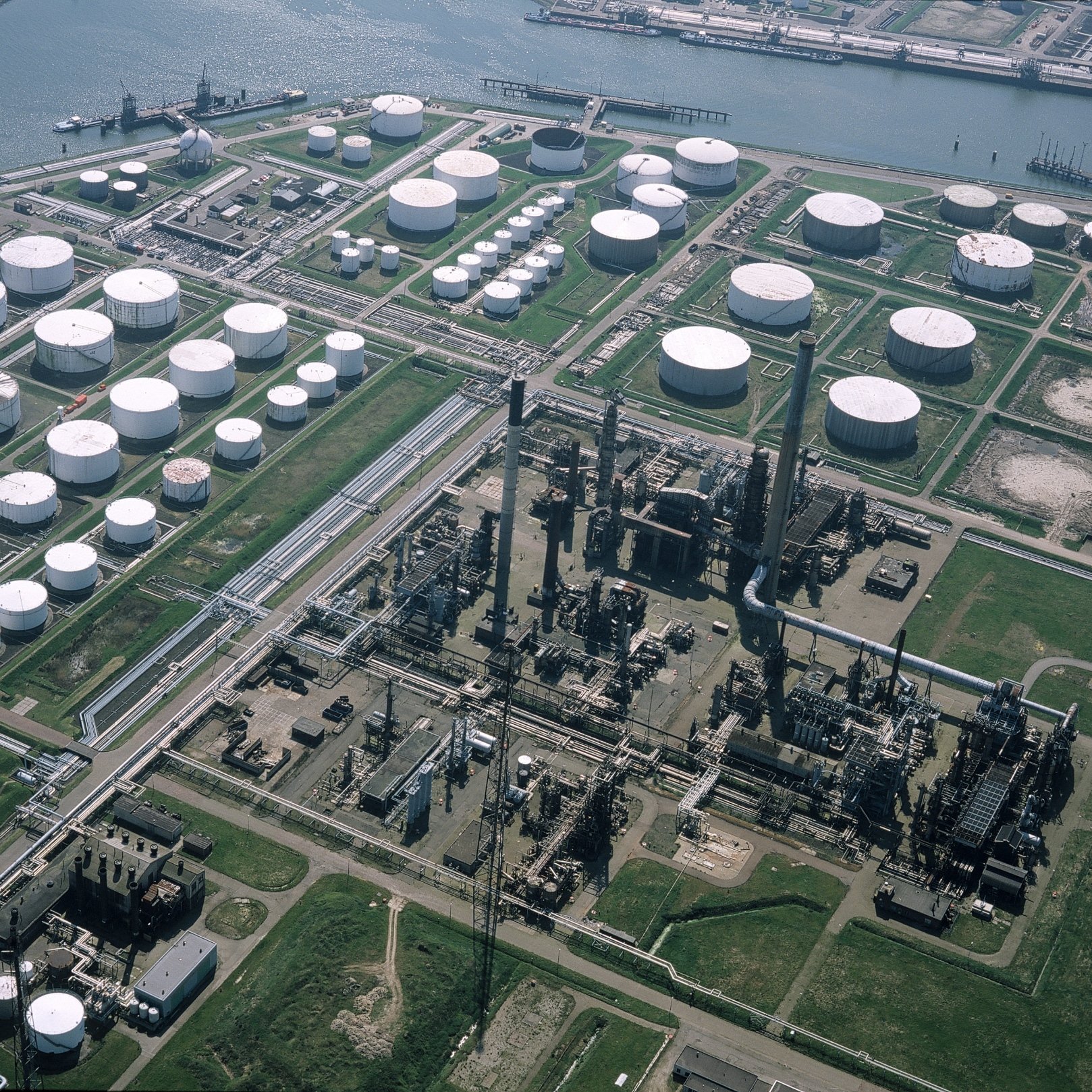
Oil shut in stays in the reservoir and flows again once crews return. Refinery damage can keep fuel prices high until the plant restarts. The Gulf Coast holds 54.4% of U.S. refining capacity, while the Gulf supplies about 15% of U.S. crude, according to Energy News Beat.
Diesel matters most because it powers freight and heating. AAA put the national diesel average at $6.30, up from $3.68 a year earlier and below a record $6.53 set on Sept. 22.
U.S. crude stocks fell 3.2 million barrels to 424.1 million, below analysts’ expected 1.7 million-barrel build, leaving a thin buffer of crude supply heading into the storm.
On the other side, emergency releases are still coming, and the forecast could weaken before landfall, which would limit how long any supply loss lasts.
What Isaias Means for XLE and USO Investors
XLE is likely better protected than crude itself. The most likely damage is offshore oil output that pauses and restarts. If a refinery goes down, that widens margins for the refiners the fund owns.
XLE is better positioned than USO for this kind of disruption. USO’s monthly contract switching erodes returns, and any storm gains fade once production restarts. XLE has gained 44.56% year to date, so much of the rally is already priced in.
Watch whether Isaias strengthens beyond the National Hurricane Center’s Category 2 forecast. Second, watch whether Pascagoula or other Gulf refineries report damage. Third, whether the next crude inventory report shows another stock drop. If no refineries are damaged, the storm’s price boost would likely fade once offshore production restarts.
Contact [email protected] for any questions or corrections.
Omor Ibne Ehsan is a writer at 24/7 Wall St. He is a self-taught investor with a focus on growth, cyclical, and dividend equities that have strong fundamentals, value, and long-term potential. He also has an interest in high-risk, high-reward investments such as penny stocks.