Exxon’s 11 Million-Gallon Refinery Goes Dark. How High Can Midwest Gas Prices Go?
A flooded pump has knocked one of the Midwest's biggest refineries offline at the worst possible moment, and fuel markets from Chicago to Pittsburgh are already stretched thin. The question now is how long Exxon can stay dark before prices…

This post may contain links from our sponsors and affiliates, and Flywheel Publishing may receive compensation for actions taken through them.

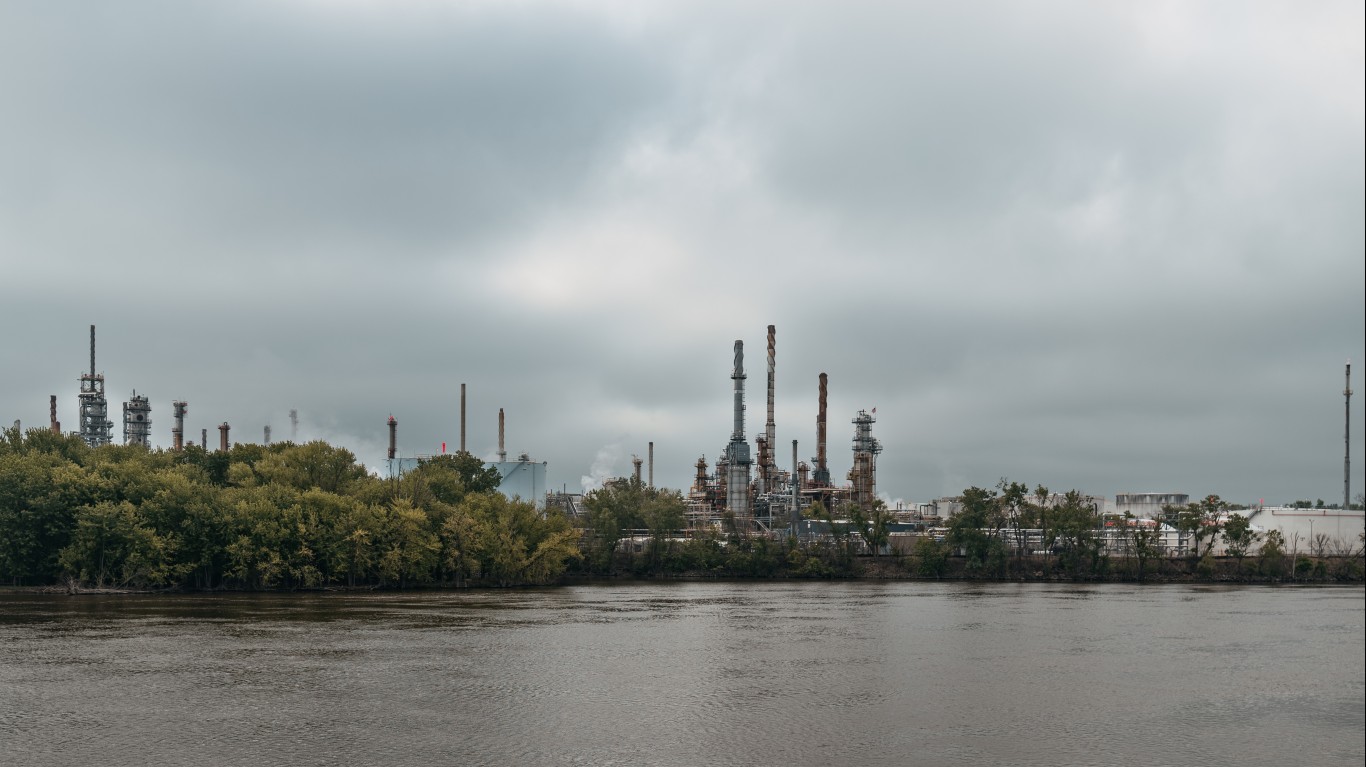
Gasoline and diesel prices were already moving higher before a floodwater-overwhelmed pump forced Exxon Mobil (NYSE:XOM | XOM Price Prediction) to keep its Joliet, Ill., refinery offline. This is critical because fuel markets have little room for another supply disruption.
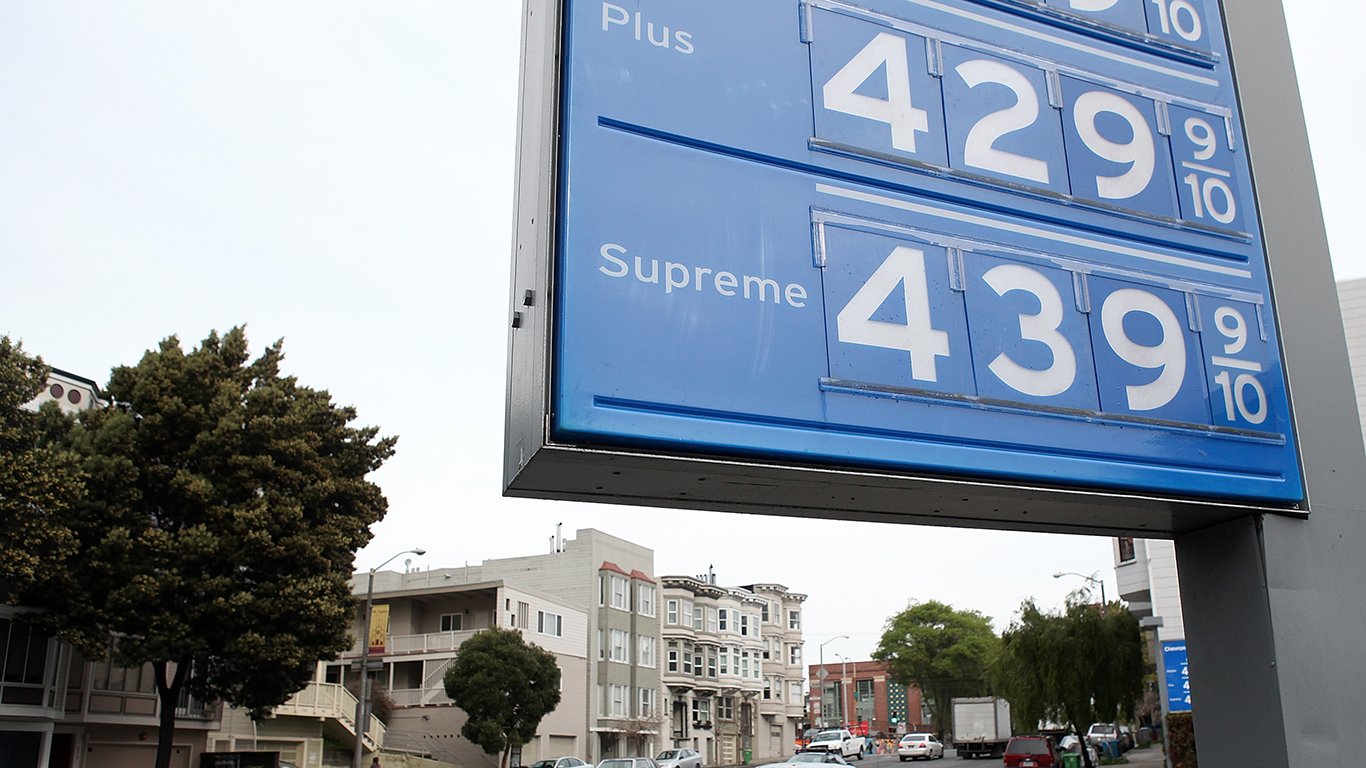
AAA put the national average for regular gasoline at $4.47 a gallon today, while Illinois averaged $4.86 and diesel reached $6.50. Meanwhile, both Brent crude and West Texas Intermediate remain above $100 a barrel as geopolitical disruptions squeeze global fuel supplies.
Now one of the Midwest’s biggest fuel suppliers is out of action.
A Power Outage Became a Bigger Problem
The Joliet refinery initially shut down around 3:30 p.m. CT on Sept. 13 after severe weather damaged Exelon‘s (NYSE:EXC) ComEd primary and secondary power lines feeding the facility. Electricity was restored around 7 p.m., but the refinery did not simply flip a switch and restart.
The outage automatically triggered safety systems and flaring as the refinery burned off excess pressure. Then came the more troublesome development: floodwater overwhelmed a pump, forcing Exxon to deploy a containment boom and continue cleanup and stabilization work.
Exxon has not said whether the pump problem was directly caused by the initial power failure. As of this morning, the refinery remained offline, and the company had not provided a firm restart date. Reuters reported that the plant also experienced additional flaring on Wednesday. That’s significant because it suggests the refinery was still dealing with operational conditions that required hydrocarbons to be routed to the flare system.
Joliet Supplies 11 Million Gallons a Day
Exxon’s 2026 Joliet facility fact sheet says the refinery can process 275,000 barrels of crude per day and produce roughly 11 million gallons of gasoline and diesel every day. That represents 6% of Midwest refining capacity, with fuel shipped by pipeline to Illinois, Indiana, Iowa, Michigan, Ohio, Pennsylvania, and Wisconsin. That makes the shutdown more than a local inconvenience.
CBS Chicago reported that Joliet supplies about 10% of the Chicago area’s fuel, while Chicago gasoline prices were already around $4.80 a gallon earlier this week.
The bigger problem is timing. Global diesel supplies are already tight, and Reuters reported that U.S. diesel prices have climbed above $6 a gallon as refinery disruptions in the Middle East and Ukraine compound the pressure.
So how high can prices go?
The Longer Joliet Stays Dark, The Bigger The Risk
There is no credible number yet for how much the shutdown will add to pump prices. That depends heavily on how quickly Exxon restores production and whether competing Midwest refineries can make up the shortfall. But the starting point is uncomfortable.
Illinois diesel is already at $6.50 a gallon, while Chicago regular gasoline has reached $5.14. Both are up sharply from a month ago. That means even a temporary Joliet outage arrives when consumers are already paying record or near-record prices.
For Exxon shareholders, however, the equation is different. A prolonged outage would reduce refinery output, but tighter gasoline and diesel markets can also widen refining margins for facilities that remain online. Exxon reported that stronger gasoline and diesel crack spreads helped lift fourth-quarter 2025 earnings.
Key Takeaway
In short, investors should watch Joliet’s restart date more closely than any single day’s pump-price move. At 275,000 barrels per day, the refinery is too large to ignore, and the Midwest fuel market is already unusually tight. If Exxon gets Joliet running within days, the price impact could remain contained. If the floodwater and stabilization problems stretch into weeks, $6 and higher gasoline in parts of the Midwest becomes a much more plausible risk — while higher refining margins could benefit Exxon and other refiners still operating.
Contact [email protected] for any questions or corrections.
After two decades of patrolling the dark corners of suburbia as a police officer, Rich Duprey hung up his badge and gun to begin writing full time about stocks and investing. For the past 20 years, he’s been cruising the markets looking for companies to lock up as long-term holdings in a portfolio while writing extensively on the broad sectors of consumer goods, technology, and industrials. Because his experience isn’t from the typical financial analyst track, Rich is able to break down complex topics into understandable and useful action points for the average investor. His writings have appeared on The Motley Fool, InvestorPlace, Yahoo! Finance, Money Morning, and, of course, 24/7 Wall St. He has been featured in both U.S. and international publications, including MarketWatch, Financial Times, Forbes, Fast Company, and USA Today.