These 2 Utility Stocks Target 5% to 7% Growth. But Their Dividend Risks Are Worlds Apart
Edison International and Duke Energy both confirmed the same long-term growth targets and just raised their dividends, but a closer look at what backs each payout reveals a striking divide in risk that retirees depending on that income cannot afford…


Edison International (NYSE:EIX | EIX Price Prediction) and Duke Energy (NYSE:DUK) both beat second-quarter EPS estimates and confirmed 5-7% long-term growth. Edison now pays $0.8775 per quarter, up from $0.8275. Duke pays $1.085, up from $1.065. For retirees, the question is which payout stands on firmer ground.
Wildfire Cleanup Lifts Edison While Data Centers Pull Duke Forward
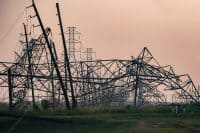
Edison’s core EPS of $1.54 beat the $1.21 consensus. The rate case decision for its Southern California Edison (SCE) utility helped, and so did lower interest costs after the Woolsey Fire securitization raised about $2 billion. Less debt means less strain on the payout. SCE has also hardened about 90% of its high-fire-risk distribution lines.
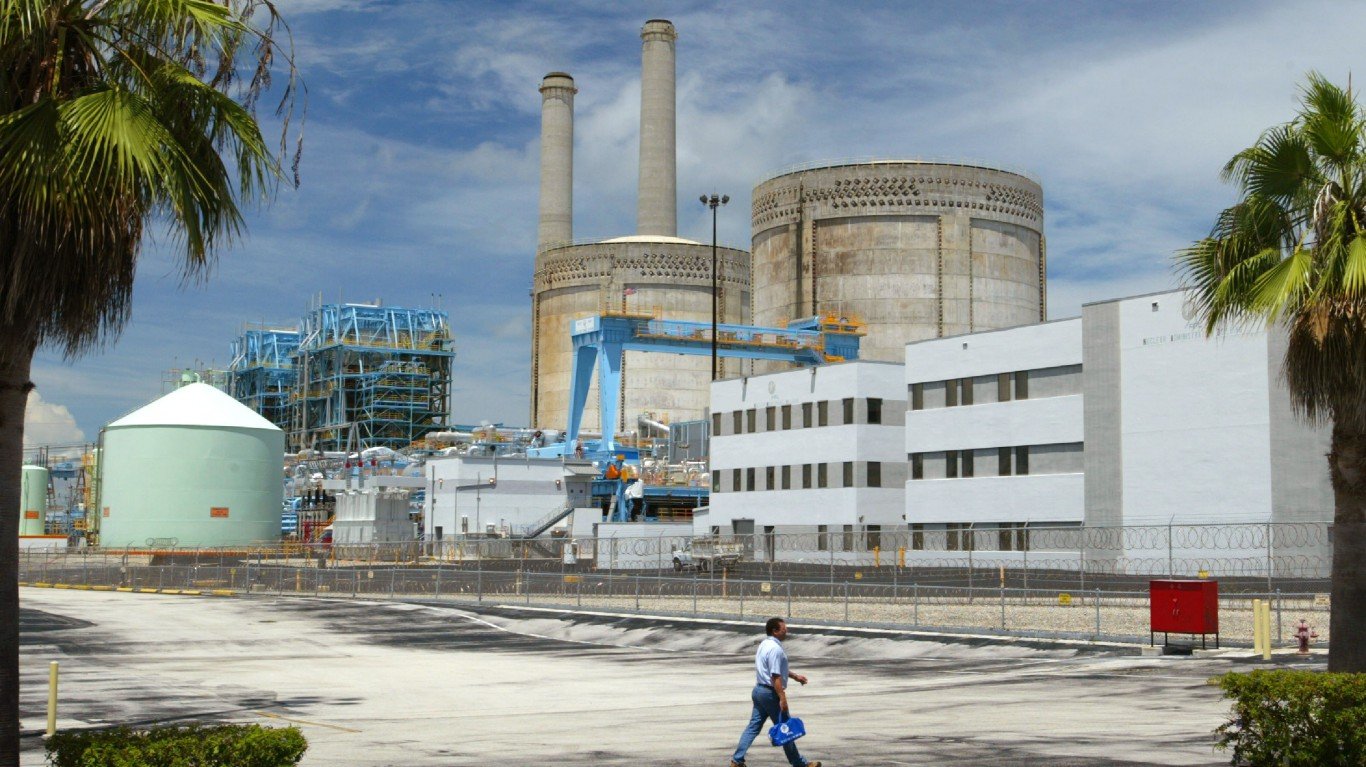
Duke posted adjusted EPS of $1.43, ahead of the $1.31 estimate. Its engine is large-load demand. Duke has signed 7.8 gigawatts of data-center service agreements, and those contracts include minimum-take provisions. That takes hoped-for AI demand closer to booked revenue. CEO Harry Sideris said, “Growth continues to define our service territories.”

| Dividend Lens | Edison | Duke |
|---|---|---|
| Latest raise | 6% | 1.9% |
| Forward yield | 6.3% | 3.7% |
| Dividend vs. 2026 EPS guidance midpoint | 58% | 65% |
| Growth streak | 22 years | 20+ years |
| 10-year share price change | 21.27% | 127.91% |
Edison pays the bigger yield and gives the faster increases. Duke has delivered far more price growth, and for a retiree living off the portfolio, that matters as much as yield.


California Litigation Risk Meets Southeast Scale
Edison’s yield comes with a price. Management now says SCE equipment “likely was associated with” the Eaton Fire, and more than 30,000 claims have been filed in litigation. S&P recently cut SCE’s rating by one notch. Still, Edison expects no new equity through 2030, which protects per-share income.
Duke spreads its exposure across six states and about 10M customers. It is also on track for 14.5% FFO-to-debt this year, a buffer against downgrades. On the other side of the ledger, a $103B capital plan means some dilution, starting with $600 million already priced through its at-the-market program.
Sacramento and Raleigh Decide What Comes Next
Whether California passes a permanent wildfire framework bears watching. Management warned that a weak bill could push financing costs higher. For Duke, keep an eye on the North Carolina rate orders expected by mid-November. The settlement includes a 9.8% ROE, which is a positive sign.
Why Duke Looks Steadier for Retirement Income
For income that needs to arrive without drama, Duke’s profile looks steadier. Its main risks are building projects on schedule and winning rate cases, and its regulators have addressed both well so far. Edison’s 6.3% yield comes with litigation headlines attached. I would change my mind if California passes a credit-supportive bill that lifts the Eaton overhang. Retirees considering how a utility payout fits into a broader monthly income plan can see the mix, payment calendar, and withdrawal order we laid out in a free guide here.
Contact [email protected] for any questions or corrections.
Chris Lange is a financial and geopolitical writer with more than a decade of experience covering a myriad of topics. He has published thousands of articles for 24/7 Wall St., with past coverage focused heavily on stocks, IPOs, healthcare, defense, global affairs, and technology.
His work has been quoted, or referenced by a number of outlets including Business Insider, USA Today, Yahoo Finance, MSN, The Motley Fool, and many other publications. A graduate of Southwestern University, he studied business with a focus on investments and has previous experience in banking and startups.
When not reading or writing the news, he is following his passion for Lacrosse, playing chess, or building solar projects with his dad.