Walmart Dropped 5% In The Last 6 Months: This Wall Street Firm Says 30% Gains Are Coming Soon
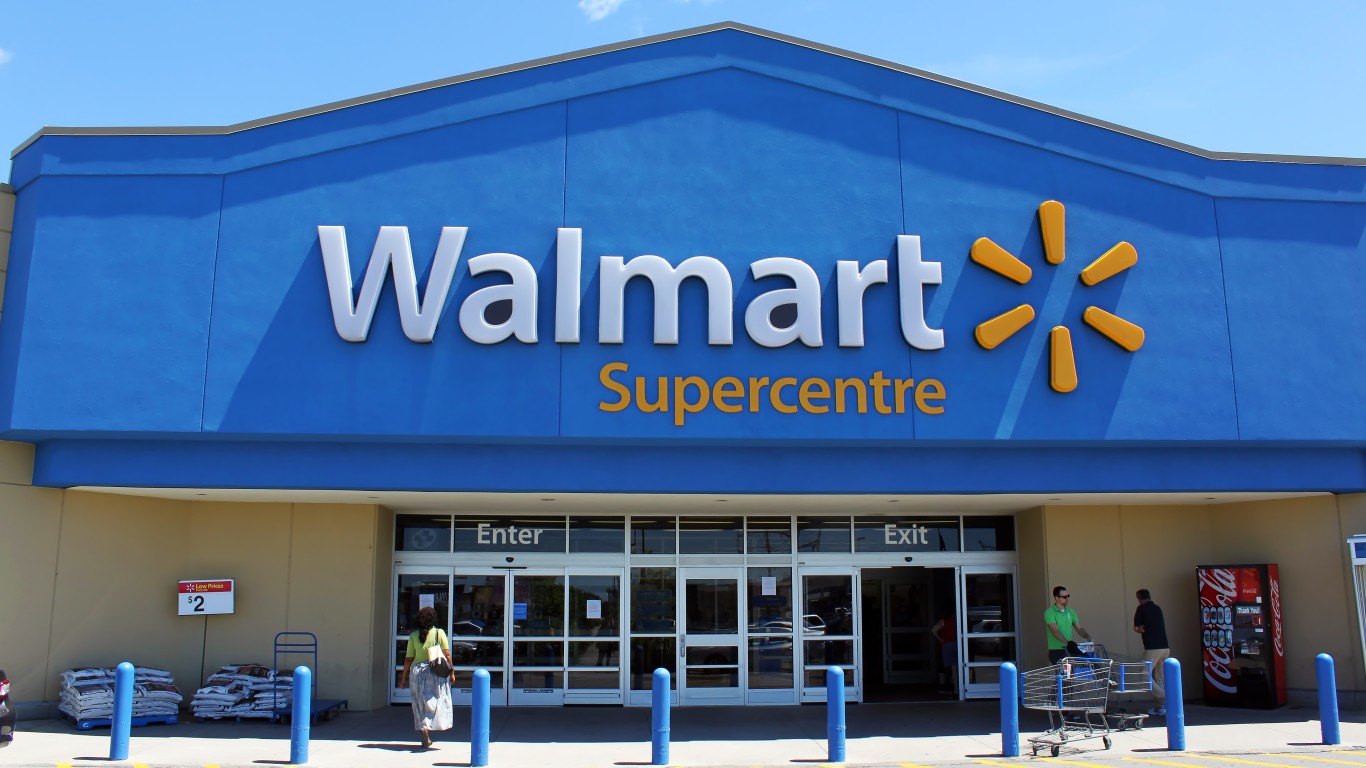
Walmart shed its trillion-dollar status after two brutal earnings reactions, but one Wall Street firm is betting the retailer's quiet transformation into a tech and media business could reward patient investors far beyond what the crowd expects.

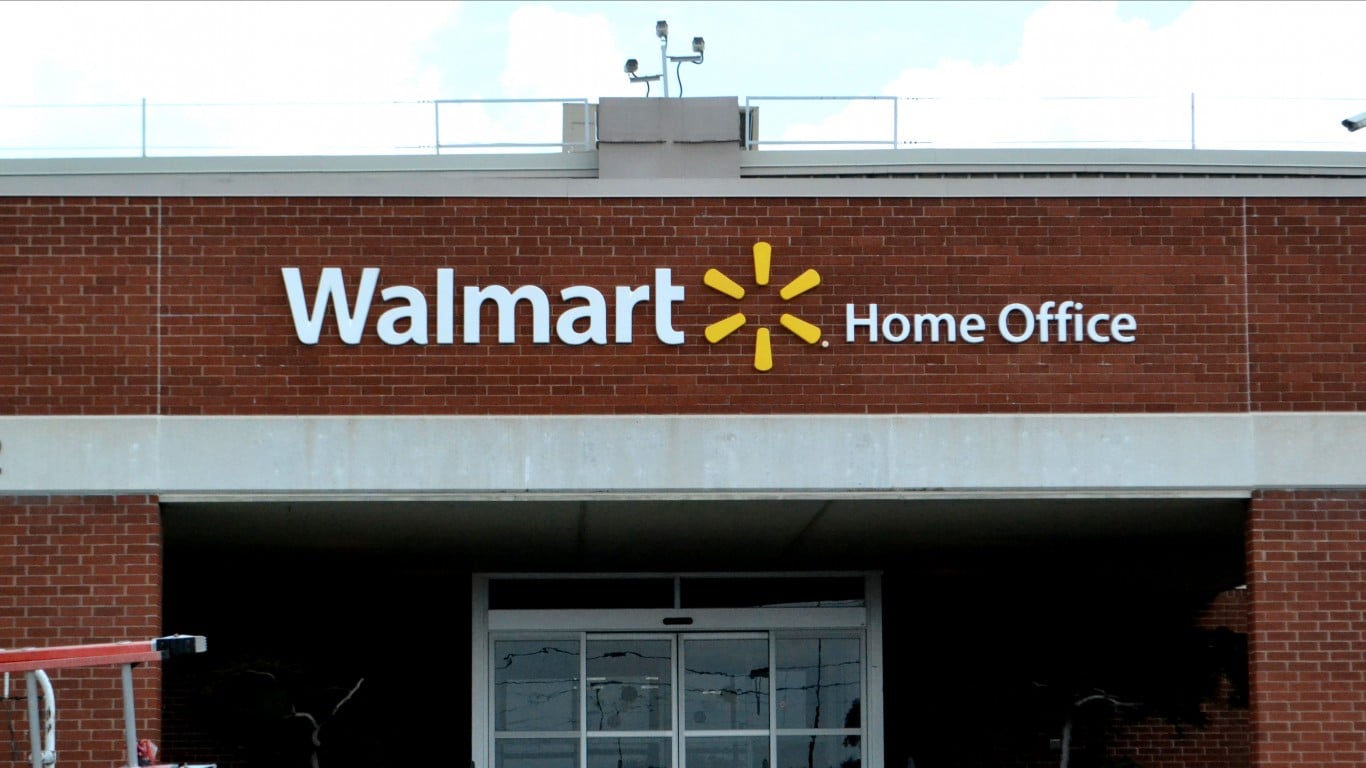
Walmart (NASDAQ:WMT | WMT Price Prediction) is now priced at $118.81. The mean analyst target is $127.35, which puts the gap at about 7.2%.
The world’s largest retailer is turning itself into a tech and media business. Global eCommerce grew 23% last quarter and now makes up 24% of total net sales, while global advertising rose 38%. Those numbers are why bulls keep supporting the stock after two rough reactions to earnings.
The consensus gap is modest. The more interesting number is the Street-high $155.00 target from Ivan Feinseth at Tigress Financial Partners, pointing to a gain of about 30.5%.
Two Earnings Reactions Knocked Walmart Off Its Trillion-Dollar Peak
The August earnings report did the most damage. Shares closed 9% lower, their biggest one-day drop since May 2022, after weak guidance and a big miss on same-store sales. On the surface the quarter looked solid. Adjusted EPS came in at $0.81, beating the $0.74 estimate. Investors focused on other numbers: third-quarter adjusted EPS guidance of $0.62-$0.64, Walmart U.S. comps of +2.6%, and net income that fell 9.4% year over year.
That drop came on top of an earlier one. Walmart peaked at about $135 in mid-May, when it was a member of the trillion-dollar club. It then fell after its May report even though sales and profit grew solidly. Management also plans to put tariff refunds back into lower prices in the second half, and pharmacy pricing legislation creates a roughly 125 bps comp drag. Shares are down 6.72% over six months.
Wall Street Still Sees a Tech and Media Retailer in the Making
Of the 43 analysts covering the stock, 10 have a Strong Buy rating, 27 a Buy, 5 a Hold, and 1 a Strong Sell. Even so, the revisions have mostly gone down. JPMorgan Chase (NYSE:JPM) kept its Overweight rating after August but cut its target to $125 from $137. Analyst Christopher Horvers argued that “the long-term share story via marketplace growth and alternative profit pool expansion was actually affirmed.”
Tigress bases its thesis on three points: high-margin advertising and fulfillment revenue, Walmart+ gains with higher-income households, and supply chain automation that brings down unit costs. The data backs part of that. Walmart Connect grew 43% excluding VIZIO, U.S. marketplace sales rose 52%, Walmart+ posted record net adds, and full-year adjusted EPS guidance moved up to $2.80-$2.87. The catch is price. A lot of that story is already in the stock at roughly 38 times forward earnings.
Costco and Target Held Up While Walmart Slipped
Walmart fell mostly on its own. Costco Wholesale (NASDAQ:COST) is down just 0.57% over six months at $989.11. Its average target of $1066.06 implies about 7.8% upside, close to Walmart’s. Analysts are more divided on Costco, with 24 Buy or Strong Buy ratings, 13 Holds, and 2 bearish calls.
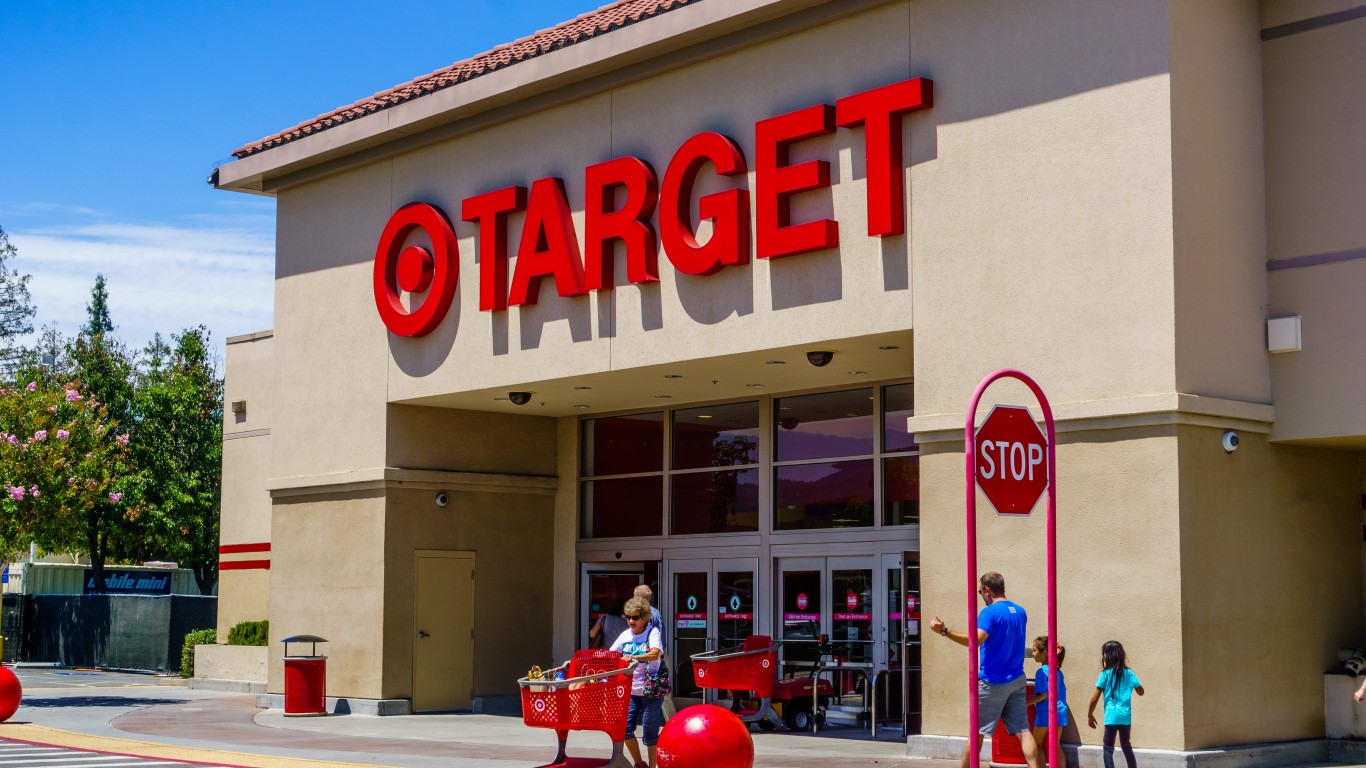
Target (NYSE:TGT) is up 20.51% over six months to $154.25. Its average target of $163.35 leaves about 5.9% upside, the least of the three. Holds lead with 21 ratings.
Costco narrowly has the largest consensus upside in the group, with Walmart just behind it. Walmart stands apart because a single firm projects 30% upside.
Walmart Trails the S&P 500 Despite a Sharp October Rebound
At $118.81, Walmart sits between its 52-week low of $98.05 and its high of $134.84. The $127.35 consensus implies 7.2% upside across 43 analysts.
Walmart is up 7.32% year to date, while the S&P 500 is up 11.93%. Momentum has picked up recently. The stock gained 10.52% over the past month, compared with 1.22% for the index.
Walmart’s 30% Case Needs Ad Dollars to Outrun Price Cuts
The bull scenario improves if advertising, marketplace and membership revenue keep growing fast enough to offset the reinvested tariff refunds and the pharmacy drag, and if U.S. comps pick up from 2.6%. Under those conditions the multiple holds and $155 becomes realistic.
The negative case gains weight if second-half operating income shrinks as refunds go back into prices and the lower-income consumer problem JPMorgan identified lasts longer. At a premium multiple, a stock that grows comps in the low single digits has room to keep falling.
The setup looks cautiously positive. The business is improving, but 7.2% consensus upside doesn’t cover much valuation risk. The next earnings report should show whether the high-margin businesses can carry the stock.
Contact [email protected] for any questions or corrections.
Alex Sirois is a financial writer with experience spanning both retail and institutional investing. He has written for InvestorPlace and held roles at BNY Mellon and Bernstein, giving him a perspective that bridges Main Street portfolios and Wall Street analysis.
Alex holds an MBA from George Washington University and has built his career across multiple industries, including e-commerce, education, and translation — a breadth of experience that informs how he breaks down complex financial topics for everyday investors. His writing is conversational, actionable, and grounded in long-term, buy-and-hold investing principles.
At 247 Wall St., Alex focuses on delivering analysis that is both accessible and useful, with a clear emphasis on helping readers make more informed decisions with their money.