Kimberly-Clark vs. Clorox: The Higher Yield May Not Be the Better Dividend
Both Kimberly-Clark and Clorox are mid-overhaul, both pay yields above 4.5%, and both have dividend payout ratios that leave almost no cushion. When two consumer staples giants look this similar on paper, the differences hiding beneath the surface are exactly…

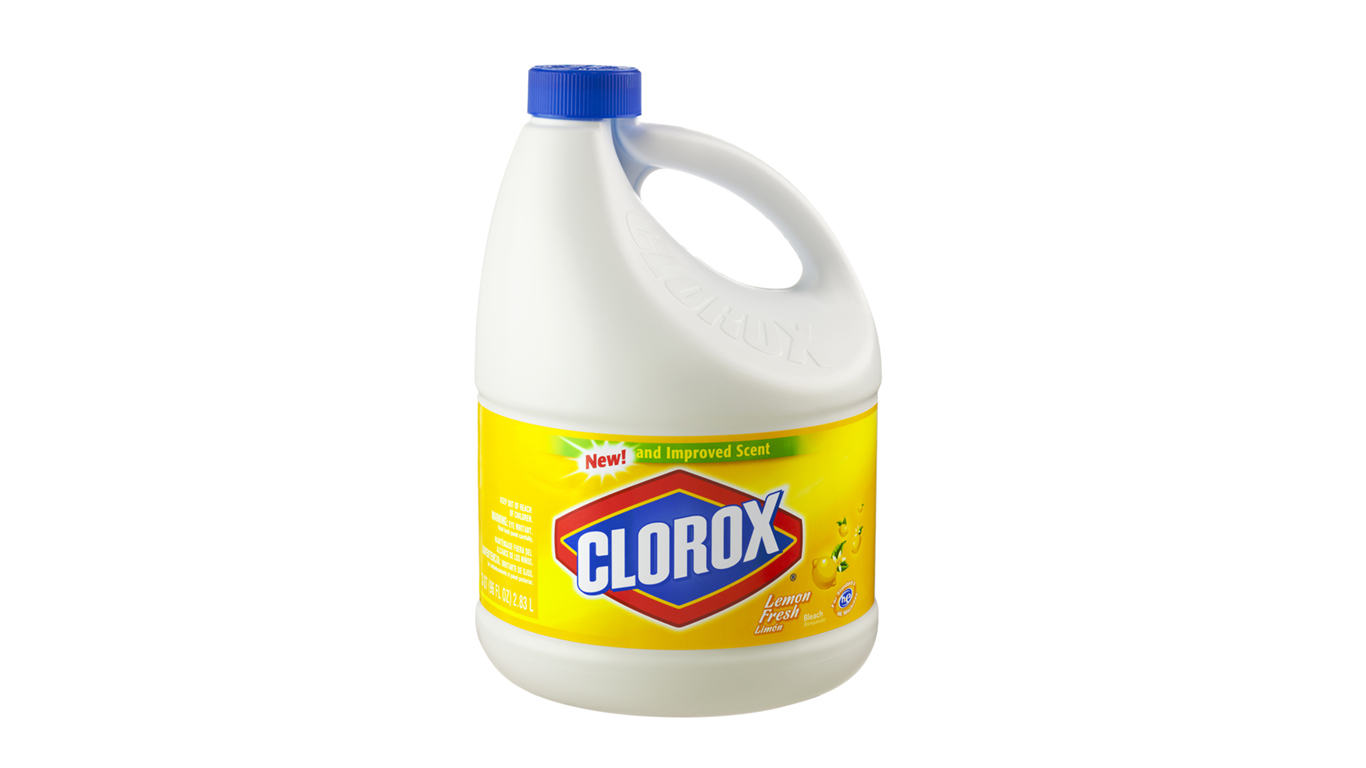
Kimberly-Clark (NASDAQ:KMB | KMB Price Prediction) and Clorox (NYSE:CLX) reported a day apart in early August. Both are in the middle of an overhaul. Kimberly-Clark is moving toward closing its Kenvue (NYSE:KVUE) deal, and Clorox has just taken over GOJO, the maker of Purell. For income investors, the question is which payout holds up better through the change.
Huggies Take a China Hit While Clorox Margins Buckle
Kimberly-Clark posted adjusted EPS of $2.12, beating the $2.01 estimate for a 5th consecutive EPS beat. Adjusted gross margin rose 190 bps to 38.8%, but one-time tariff refunds helped, so I weigh that gain less. The bigger problem is a social media disinformation campaign in China aimed at Huggies diapers. Management expects it to cut second-half operating profit by about $70 million. Even so, the core business kept growing, with a 10th consecutive quarter of positive volume plus mix.
Clorox had a rougher quarter. Gross margin fell 520 bps to 41.3%, hurt by GOJO inventory accounting, higher costs, and lower volume. Purell raised Health and Wellness sales 16%, while Household sales dropped 18%. CFO Luc Bellet expects fiscal 2027 inflation above $200 million, which he called more than double the usual range. That pressures the cash available for the dividend.


| Dividend Lens | Kimberly-Clark | Clorox |
|---|---|---|
| Forward Annual Dividend | $5.12 | $5 |
| Yield | 4.8% | 5.81% |
| Payout Ratio | 81% of 2025 net income | around 85% of net earnings |
| Free Cash Flow vs. Dividends | 99% (2025) | 67% (fiscal 2026) |
| Increase Streak | 54 consecutive years | “increased annually for a decade” |


Neither payout has much buffer. Kimberly-Clark’s $1.639B in free cash flow just about covered its dividend. Clorox’s gap is wider, although a $476M payment to end the Glad joint venture distorted its free cash flow.
Clorox Carries the Heavier Debt Load
Clorox’s total debt rose to $5.52 billion from $2.88 billion a year earlier. Cash is just $143 million. Interest expense should reach about $210 million in fiscal 2027, and that money cannot go to shareholders. Kimberly-Clark brought in $908 million of operating cash in the second quarter against $425 million in dividends. Its main risk is pulling off Kenvue and the $1.9 billion cost-savings target that comes with it.
Margin Repair Will Decide Clorox’s Payout
Clorox is guiding for gross margin of about 42% and adjusted EPS of $5.70 to $6.00. Bellet said, “Our commitment to support the dividend has not changed.” I want to see if cost savings can keep pace with inflation. You should also watch when Kenvue closes and how quickly China recovers. Shareholders have already picked a side: Kimberly-Clark is up 10.28% this year, while Clorox is down 11.85%.
Why Kimberly-Clark Looks Safer for Retirement Income
For a retiree who depends on dividend checks, Kimberly-Clark offers the safer payout. Its streak is longer, its debt is lower, and its cash flow already comes close to covering the dividend. Clorox pays the higher yield, but it is funding that payout from a stretched balance sheet and a margin recovery that hasn’t happened yet. A double-digit-adjacent yield supported by shrinking margins is exactly the setup we flagged in a free report on the seven warning signs a big dividend is about to be cut. If Clorox gets gross margin back above 42% while paying down debt, I would rethink this. Until that happens, Kimberly-Clark wins on dividend safety.
Contact [email protected] for any questions or corrections.
Chris Lange is a financial and geopolitical writer with more than a decade of experience covering a myriad of topics. He has published thousands of articles for 24/7 Wall St., with past coverage focused heavily on stocks, IPOs, healthcare, defense, global affairs, and technology.
His work has been quoted, or referenced by a number of outlets including Business Insider, USA Today, Yahoo Finance, MSN, The Motley Fool, and many other publications. A graduate of Southwestern University, he studied business with a focus on investments and has previous experience in banking and startups.
When not reading or writing the news, he is following his passion for Lacrosse, playing chess, or building solar projects with his dad.