Six Flags Sinks 10%, United Parks & Resorts Drops 5%: Is the Goliath Accident Still Weighing on Theme Park Stocks?
A fatal roller coaster accident cast a shadow over one theme park operator, but now a second company with no connection to the ride is getting pulled down alongside it, raising questions about how far the damage spreads through the…


Theme park operators are absorbing the biggest selling in leisure stocks, while concert promotion and the large-cap benchmark hold firm. Six Flags Entertainment (NYSE:FUN) shares are at $7.06, down 10% in afternoon trading, extending a slide that has erased more than half of the stock’s value since the start of the year. Such a decline compounds the pressure on a company whose results rest on guest traffic through its gates.
Meanwhile, United Parks & Resorts (NYSE:PRKS) stock is at $30.13, down 5%; it’s a smaller decline that still marks a sharp move for the owner of SeaWorld and Busch Gardens. United Parks doesn’t operate the Goliath coaster, but its stock is moving in the same direction as Six Flags stock.
Meanwhile, Live Nation Entertainment (NYSE:LYV | LYV Price Prediction) stock is at $175.10, up 0.2%, holding steady as Six Flags and United Parks shares fall. The SPDR S&P 500 ETF Trust (NYSEARCA:SPY) is at $773.92, up 0.6%. On the other hand, the Invesco Leisure and Entertainment ETF (NYSEARCA:PEJ) trades at $66.21, down 0.3%. That split leaves theme park operators as laggards during a rising broad market.
Goliath Accident Puts Ride Safety Back in Focus
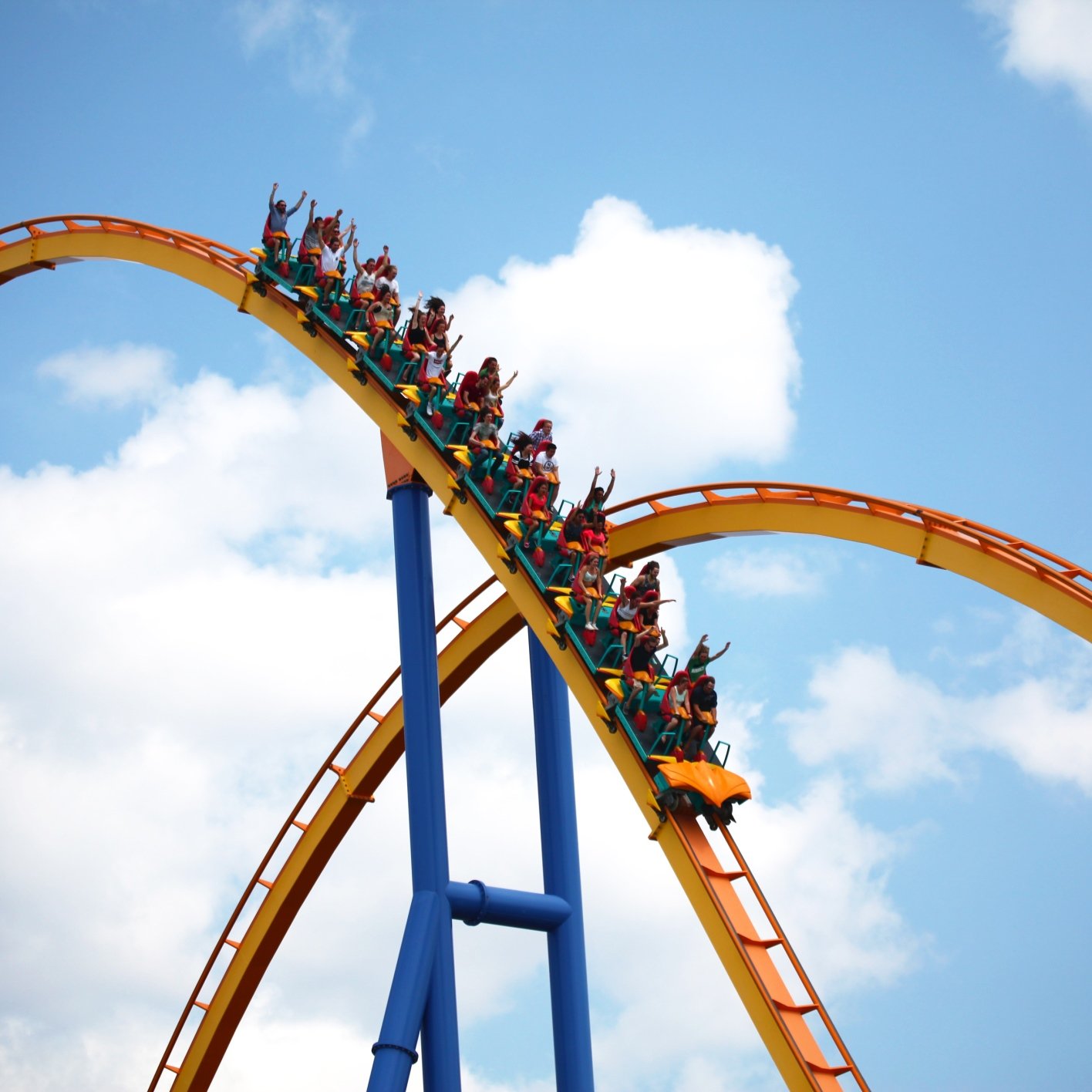
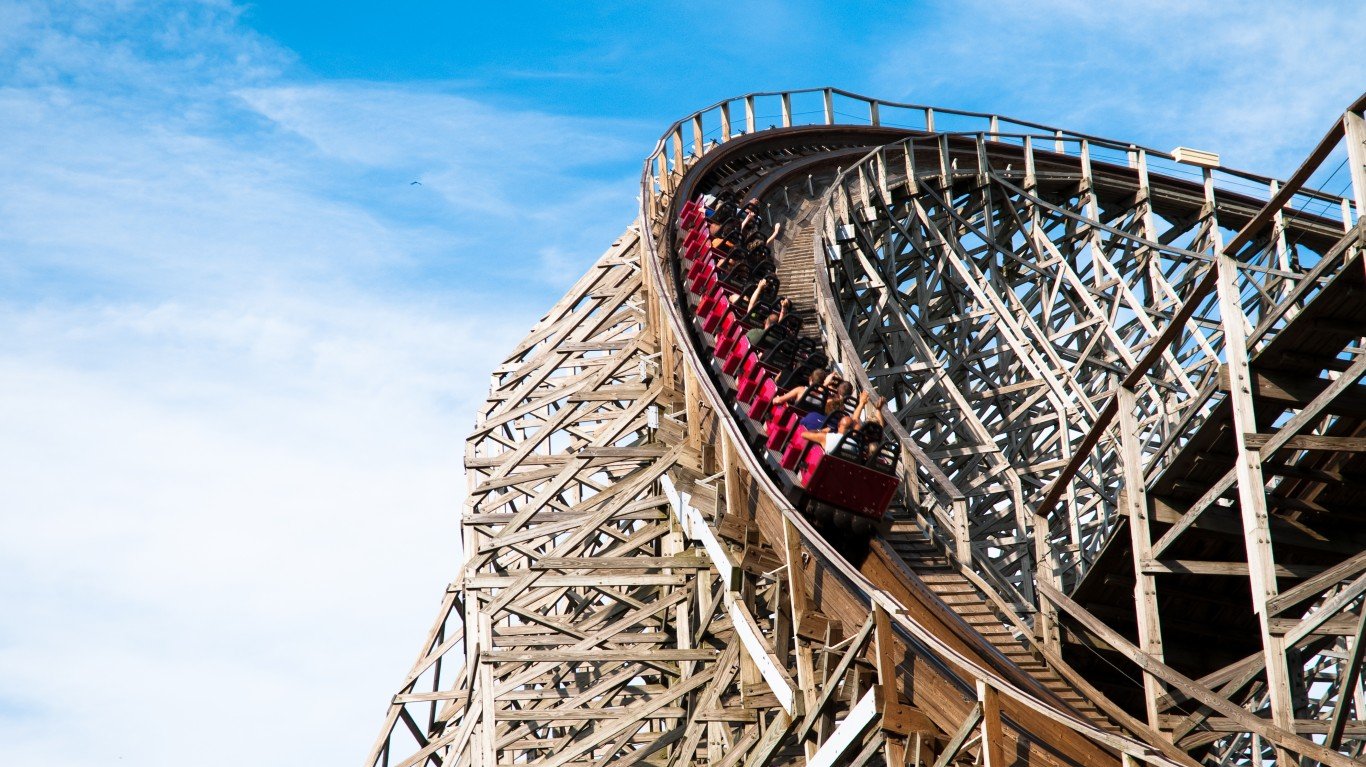
Earlier this month, a rider died and several people were injured in an accident on the Goliath roller coaster at Six Flags Over Georgia, according to local police. Six Flags temporarily closed several similar rides at other parks out of an abundance of caution while an investigation is underway. The company hasn’t given a timeline for reopening those attractions.
Whether that tragedy is still driving the selling in Six Flags stock is an open question. Regional theme parks like the ones Six Flags operates depend on attendance and in-park spending, so a fatal accident and a set of closed rides land directly on the drivers that power its revenue.
What the Peer and Fund Figures Show
Six Flags, North America’s largest regional amusement-resort operator formed through the merger of legacy Cedar Fair and legacy Six Flags and home to brands such as Looney Tunes, DC Comics and PEANUTS, is falling harder than United Parks, which matters because it is the operator directly tied to the accident.
United Parks shares the same attendance-driven model, built on admissions and in-park spending at parks such as SeaWorld, Busch Gardens and Sesame Place. Together, the two declines point the selling directly at theme park safety and attendance.
Live Nation promotes concerts and sells event tickets, a business that sits apart from ride safety and park inspections. Steady trading in Live Nation stock shows the market drawing a line between theme parks and live entertainment.
It’s notable that the PEJ leisure and entertainment ETF is only down very slightly today. Spread across travel, hospitality, dining, gaming, sports and entertainment names, the fund doesn’t list Six Flags or United Parks among its positions. A mild dip in the leisure fund keeps the damage concentrated in the theme park corner of the market.
Strength in the SPDR S&P 500 ETF Trust, whose largest weights sit in big technology names, shows demand for large-cap stocks holding up. Against that background, Six Flags and United Parks shares stand out as the clearest leisure laggards. Theme park weakness alongside broad gains makes the move look tied to the sector itself.
Ride Reopenings Are the Next Test for Six Flags
What comes next for Six Flags is whether the investigation concludes and the closed rides reopen. A clear finding and a reopening schedule could ease the safety overhang on Six Flags stock, while a drawn-out probe might keep attendance worries attached to it.
Traders can watch for whether United Parks stock separates from Six Flags stock once the Goliath investigation ends. Steadiness in Live Nation stock and a rising broad market leave theme park operators as the outliers among experience names.
Because the accident happened at one of its own parks and related rides remain closed, Six Flags carries the biggest burden of the two operators. Investors weighing their FUN stock exposure may choose to reduce their share positions until the Goliath investigation concludes.
Contact [email protected] for any questions or corrections.
David Moadel is financial writer specializing in stocks, ETFs, options, precious metals, and Bitcoin. David has written well over 1,000 articles for leading online publications, helping investors understand markets, income strategies, and risk.His work has appeared in The Motley Fool, InvestorPlace, U.S. News & World Report, TipRanks, ValueWalk, Benzinga, Market Realist, TalkMarkets, Finmasters, 24/7 Wall St., and others.With a master’s degree in education, David has taught at the elementary, high school, and college levels. That teaching background shapes his writing style: clear, educational, and practical. David has also built a loyal social-media audience by providing trustworthy financial content on YouTube, X/Twitter, and StockTwits.