Tesla and SpaceX Just Formed Special Committees to Weigh a Merger
Elon Musk confirmed on SpaceX's earnings call that both companies formed special committees to explore a deal he cannot personally join. What shareholders decide next could reshape a combined company worth over three trillion dollars.

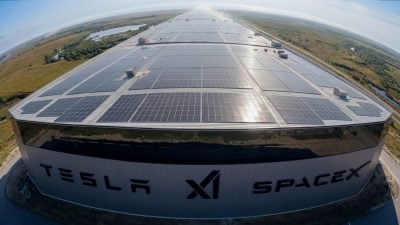
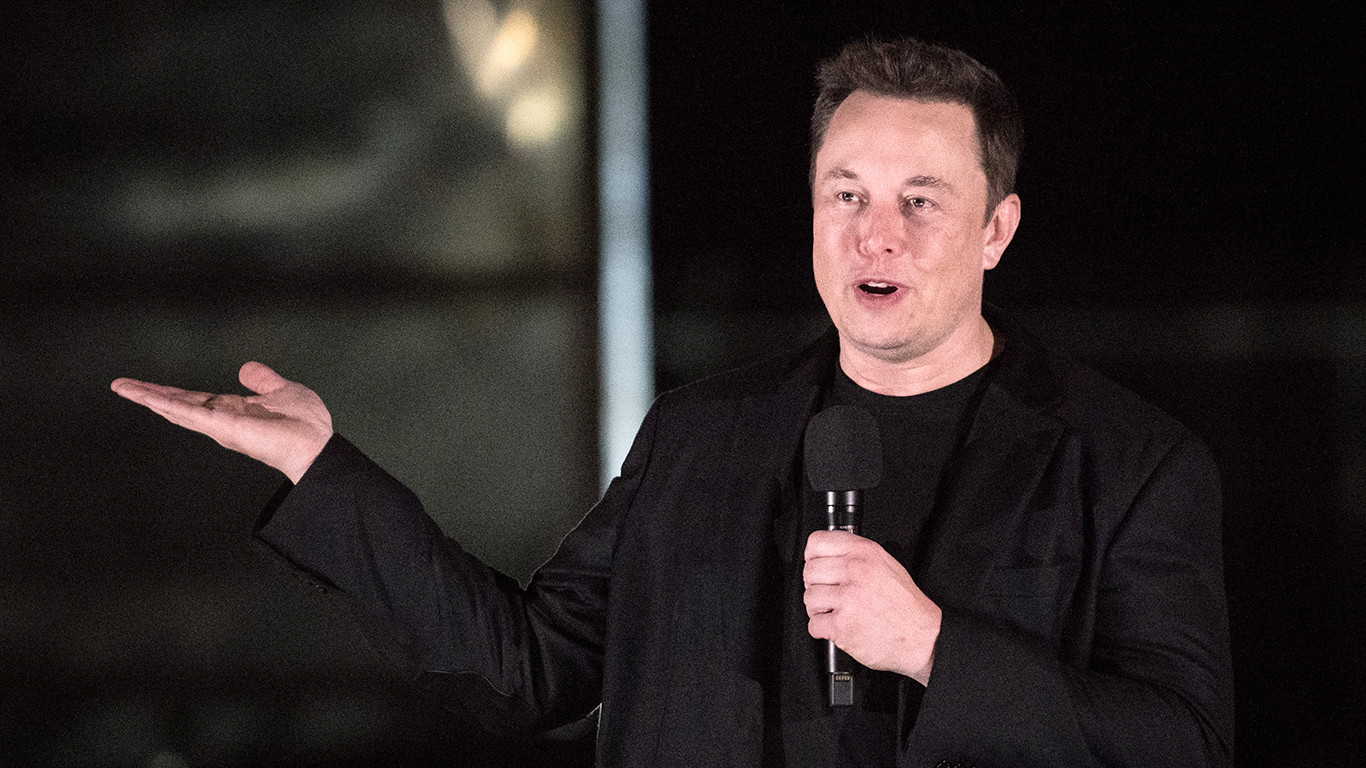
Elon Musk used SpaceX’s (NASDAQ:SPCX | SPCX Price Prediction) third-quarter earnings call on October 20, 2026, to disclose something neither company had put in writing. When an analyst asked about a tie-up, Musk said, “Both SpaceX and Tesla have formed special committees to discuss this idea at the request of shareholders.”
He said the committees are made up of independent directors. Because he runs both companies, he is a conflicted party and cannot take part in their discussions.
Tesla (NASDAQ:TSLA) closed at $373.71, up 1.54%, and traded at $380.29 after hours. SpaceX closed at $147.79 and moved to $159.70 after its quarterly report, a gain of 8.06%.
For Tesla owners, a merger could fold a low-margin car business into a faster-growing company. But Tesla stock is down 16.9% this year, and no price or terms have been disclosed.
What Musk Said and What He Left Out


Musk said assuming a merger is a certainty “would be overstating it” and added, “the special committees have not reached agreement on the terms of any transaction. And obviously, there’s no guarantee that they will.”
He still argued for the deal: “I do think there’s a lot of merit to combining the companies as we are pretty much in the super intelligence singularity.” He called the process “an odd kabuki dance where two groups of people are talking, and I can’t be in the conversation.”
A Tesla Vote Is the Hardest Step
Elon Musk said Tesla would need “a 50% vote of all shares, not just those who vote, but of all shareholders,” and called that “quite a high hurdle to try to achieve.” Under that standard, every share that never votes works like a no vote. Tesla has a large retail base, and many small holders ignore proxy ballots.
Tesla’s proxy, filed October 19, sets the annual meeting for December 3, 2026, and lists three company proposals. None of them is a merger vote, so any deal would go to shareholders at a later meeting.
The two companies are already tied together.
On January 16, 2026, Tesla agreed to invest about $2.00 billion in xAI Holdings Series E preferred stock. xAI Holdings became a SpaceX subsidiary on February 2, 2026, and Tesla director Ira Ehrenpreis has served on SpaceX’s board since then.
Musk runs both companies and controls SpaceX’s voting power, so he sits on both sides of any price. That conflict is the reason independent committees are needed.
At the October 20 close, Tesla was worth $1.48 trillion, and SpaceX was worth $2.01 trillion. If the two combined, Tesla holders would own less than half of the new company.
The exchange ratio, meaning how many SpaceX shares each Tesla share would turn into, is the central unknown, and nothing about it has been disclosed. Gene Munster put the chance of a combination within two years at 95%. That is one investor’s estimate, and Musk himself was more cautious.
Why Tesla’s Standalone Numbers Matter Before Any Deal
On its own business, Tesla is hard to justify at 389 times earnings. Second-quarter non-GAAP EPS of $0.33 missed the $0.5367 estimate, operating margin fell to 1.4%, and free cash flow was -$1.092 billion.
Third-quarter deliveries of 486,532 show that demand is holding up, but profits have not kept pace. The merger option does not change that, because the ratio is unknown and the vote threshold is high.
SpaceX holders would be the larger side of any deal. SpaceX’s quarter brought $4.40 billion in GAAP net income.

Tesla reports after the close on October 21 and holds a webcast at 5:30 p.m. ET. The next signal to look for is a filing, because talk becomes a real process only if either company files an 8-K that names committee members, advisors, or terms.
Contact [email protected] for any questions or corrections.
Omor Ibne Ehsan is a writer at 24/7 Wall St. He is a self-taught investor with a focus on growth, cyclical, and dividend equities that have strong fundamentals, value, and long-term potential. He also has an interest in high-risk, high-reward investments such as penny stocks.