Costco Turned $1,000 Into $8,018 in Ten Years While the S&P 500 Delivered $3,564
Costco's membership model looks deceptively simple, yet patient shareholders who held through years of premium valuations and wild price swings discovered something the broader market consistently failed to match. The numbers tell a story worth understanding before the next decade…

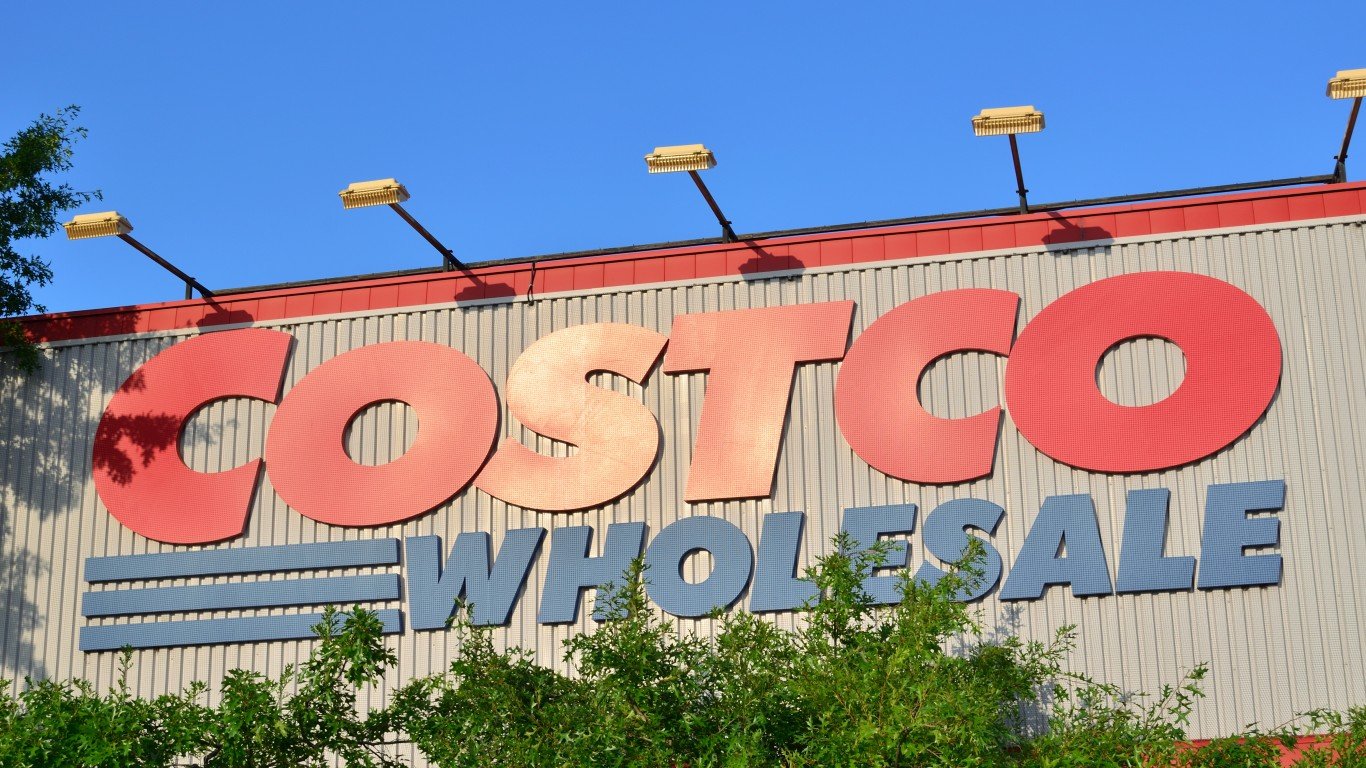
How a Membership Card Became a Compounding Machine
Ten years ago, Costco (NASDAQ:COST | COST Price Prediction) was already an established warehouse club. Over the decade, investors rewarded its predictability. The model itself stayed simple. Costco charges an annual fee, sells bulk goods and Kirkland Signature products on thin margins, and relies on renewals to drive profits.
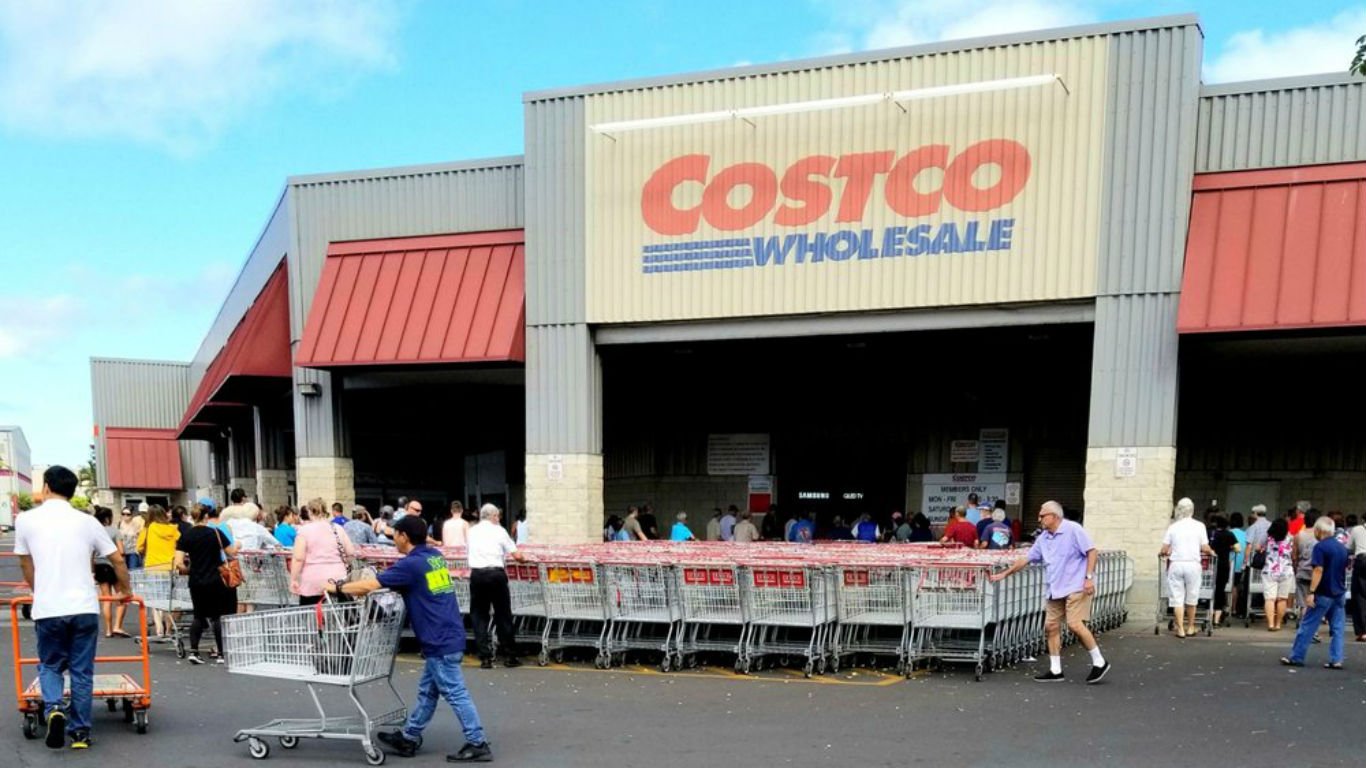
That formula scaled. Costco now runs 939 warehouses across 14 countries and territories, with 150.4 million cardholders and a worldwide renewal rate of 89.8%. Executive members pay a higher fee and drive 75.6% of sales. The latest fee hike helped lift fee income 14% earlier in fiscal 2026.
Special Dividends Sweetened a Decade of Steady Growth
On top of the regular payout, shareholders collected special dividends of $7 in 2017, $10 in 2020, and $15 in 2023. The regular quarterly dividend rose from $0.45 in 2016 to $1.47. Digital also expanded, with digitally enabled sales topping $33 billion in fiscal 2026 as Uber Technologies (NYSE:UBER) and DoorDash (NASDAQ:DASH) delivery went nationwide.
Your $1,000 Became $8,018 and Left the Market Far Behind
1-Year Return
- Initial Investment: $1,000
- Current Value: $1,083.50
- Total Return: 8.35%
- S&P 500 (same period): $1,136.10 (13.61%)
5-Year Return
- Initial Investment: $1,000
- Current Value: $2,210.10
- Total Return: 121.01%
- Annualized Return: 17.19%
- S&P 500 (same period): $1,683 (68.3%)
10-Year Return
- Initial Investment: $1,000
- Current Value: $8,018
- Total Return: 701.8%
- Annualized Return: 23.14%
- S&P 500 (same period): $3,564 (256.4%)
Costco figures are dividend-adjusted. The S&P 500 figures track the price change of the SPDR S&P 500 ETF Trust (NYSEARCA:SPY) only.
Costco beat the index by a wide margin over five and ten years, then trailed it over the past year. Holding still took patience: shares swung between $840.35 and $1,094.76 over the last 52 weeks. The business delivered throughout. Fiscal 2026 revenue rose 10.14% to $303.15 billion, and EPS came in at $20.76.

At 48x Earnings, Costco’s Premium Leaves Little Room for Error
Costco’s case today rests on membership growth and per-member spending continuing to stack up. The key risk is earnings growth slowing while the stock still carries a premium multiple. Costco is the kind of long-term compounder most investors watched from the sidelines, and we studied that pattern in a free report on the winners you already missed.
Bull case: Costco plans to open 33 warehouses in fiscal 2027, and comparable sales excluding gas and currency have held near 6% to 7%. The CFO summed up the plan: “For sustained top line growth, we see a balance between continued membership base growth and continued growth in spend per member.”
Bear case: The stock trades at 48 times trailing earnings and 40 times forward earnings, with a PEG ratio of 4.434. Fourth-quarter EPS also included a $0.15 one-time tariff refund benefit. Over the next ten years, the multiple has little room to expand so that returns will come from earnings growth.

Shares sit at $1,009.89, well above the 52-week low.
Contact [email protected] for any questions or corrections.
Chris Lange is a financial and geopolitical writer with more than a decade of experience covering a myriad of topics. He has published thousands of articles for 24/7 Wall St., with past coverage focused heavily on stocks, IPOs, healthcare, defense, global affairs, and technology.
His work has been quoted, or referenced by a number of outlets including Business Insider, USA Today, Yahoo Finance, MSN, The Motley Fool, and many other publications. A graduate of Southwestern University, he studied business with a focus on investments and has previous experience in banking and startups.
When not reading or writing the news, he is following his passion for Lacrosse, playing chess, or building solar projects with his dad.