Meta Vs. Apple: Divergent Edge AI Inference Strategies and Spending
Meta is pouring over a hundred billion dollars into centralized data centers while Apple bets your iPhone and Mac can do the heavy lifting instead. One of these companies will look very smart in 2027, and the gap between their…


Meta Platforms (NASDAQ:META | META Price Prediction) reported third-quarter results tonight, and its AI plan runs through giant data centers. Apple (NASDAQ:AAPL) reported its June quarter in July with a different approach: run inference on the iPhone and Mac already in your hand. Both companies reach billions of people. Their spending approaches sit at opposite ends.
Ads Fund Meta’s Servers as iPhone and Mac Carry Apple
Meta’s revenue reached $64.60 billion, up 26.1%, driven by AI ad ranking. Average price per ad rose 14%, so advertisers pay more when targeting improves. GAAP EPS of $3.83 missed the $5.70 consensus because of a $9.89B legal charge. Capex hit $34.91B, which drove free cash flow to negative $2.12B. Centralized AI needs a lot of cash up front.
Apple posted $109.42B in revenue with EPS of $2.02, beating estimates. Mac revenue rose 29%, and Tim Cook called Mac “the ultimate AI powerhouse.” Creative teams at Walt Disney (NYSE:DIS) run AI on Mac to cut cloud token costs. That customer shows the edge argument. I would discount the margin story a bit, since tariff refunds added about 2 percentage points.
| Business Driver | Meta | Apple |
|---|---|---|
| Main AI Engine | Ad ranking and Muse agent | Siri AI on Apple silicon |
| Quarter Standout | Price per ad +14% | Mac revenue +29% |
Meta Builds the Data Center While Apple Ships It in a Box
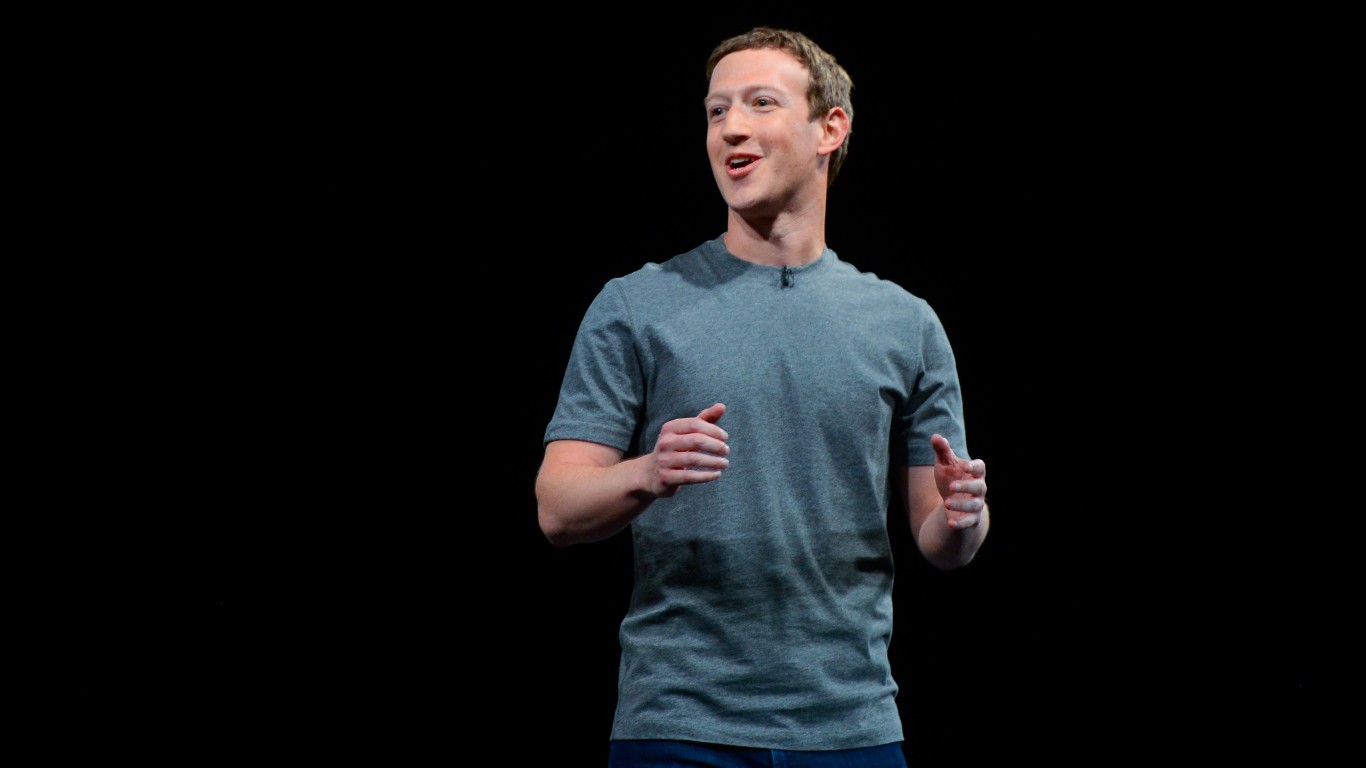
Meta narrowed its 2026 capex guidance to $135B to $145B. Zuckerberg laid out the reasoning: “since training is a large fixed cost, now that we have leading models, we want to serve as much high margin inference demand as possible.” He also said Muse is “very compute intensive to run” and that Meta expects to make it more than 10x more cost-efficient within a year. I find that goal ambitious.
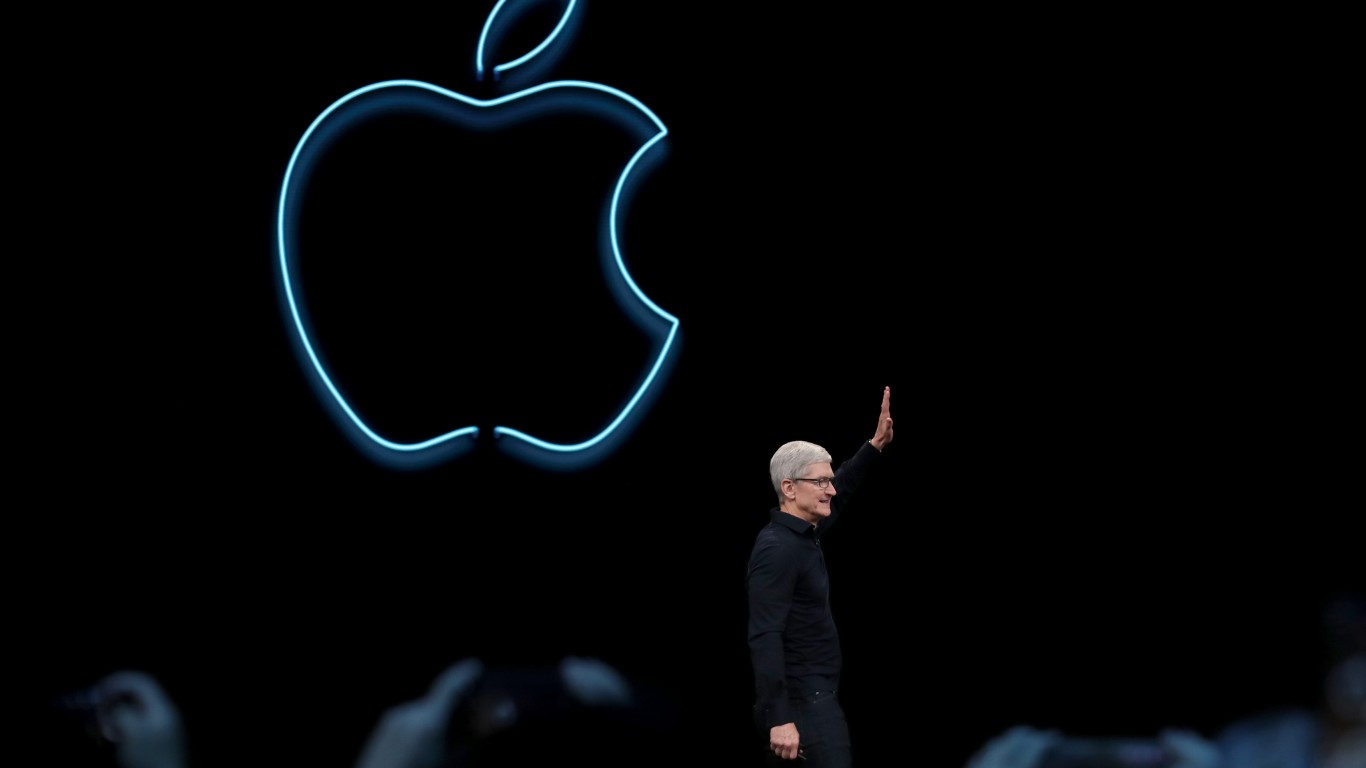
Apple spent just $2.37 billion on capex in fiscal Q1, since customers’ devices handle much of the inference work. Cook called on-device processing “very strategic and sort of a competitive weapon.” Memory prices are the weak spot. Cook described “a 100-year flood on the memory pricing.”
| Lens | Meta | Apple |
|---|---|---|
| Spending Model | Centralized data centers | On-device plus private cloud |
| Key Vulnerability | Negative free cash flow | Rising memory costs |
Muse Efficiency and Memory Costs Will Decide 2027
Whether Muse can turn its 10 million early U.S. and Canadian installations into commerce fees and subscriptions will be worth watching. For Apple, watch supply constraints that Cook expects to get worse, and whether iCloud+ upgrades can cover Siri AI’s compute costs. Apple guided to 9%-11% revenue growth for the September quarter.
Why I Lean Toward Apple’s Cheaper Route to AI
Apple shares are up 26.88% this year against 5.93% for Meta, a gap that coincides with Apple’s lighter capital spending. Apple trades near 45 times earnings versus about 25 for Meta, and that premium looks steep to me. Even so, Apple’s installations has lower capital intensity. Customers pay for the silicon, and inference comes along for free. Meta’s model requires a long payback period supported by a strong ad business. If Muse reaches its 10x efficiency goal in 2027, I would rethink this quickly.
Contact [email protected] for any questions or corrections.
Alex Sirois is a financial writer with experience spanning both retail and institutional investing. He has written for InvestorPlace and held roles at BNY Mellon and Bernstein, giving him a perspective that bridges Main Street portfolios and Wall Street analysis.
Alex holds an MBA from George Washington University and has built his career across multiple industries, including e-commerce, education, and translation — a breadth of experience that informs how he breaks down complex financial topics for everyday investors. His writing is conversational, actionable, and grounded in long-term, buy-and-hold investing principles.
At 247 Wall St., Alex focuses on delivering analysis that is both accessible and useful, with a clear emphasis on helping readers make more informed decisions with their money.