This Trash Company Just Raised Its Dividend 10%. Its Stock Is Up 266% in 10 Years
Waste Connections just handed shareholders its sixteenth straight double-digit dividend raise from a business built around picking up garbage, and the numbers behind that streak reveal something most investors overlook about boring industries.

On October 21, 2026, Waste Connections (NYSE:WCN | WCN Price Prediction) raised its regular quarterly dividend 10.0%, to $0.385 per share from $0.350. The new amount is payable on November 19, 2026, to shareholders of record on November 5, 2026. Management called it the sixteenth consecutive double-digit annual increase. The business is hauling trash, which is about as plain as a business gets. Over the past 10 years, the adjusted share price rose from $45.98 to $168.28, a 266.02% gain.
Waste Connections: Sixteen Straight Double-Digit Raises From Hauling Garbage
What Waste Connections Actually Does
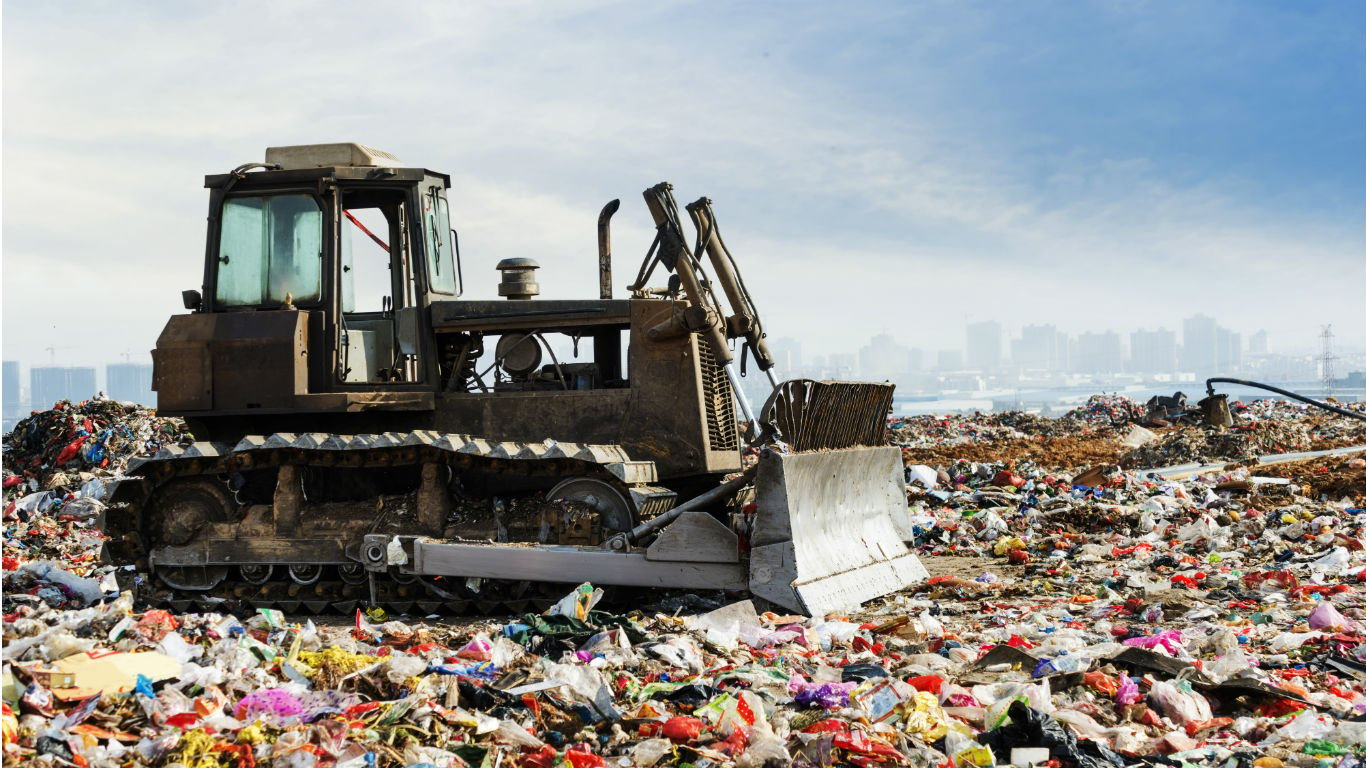
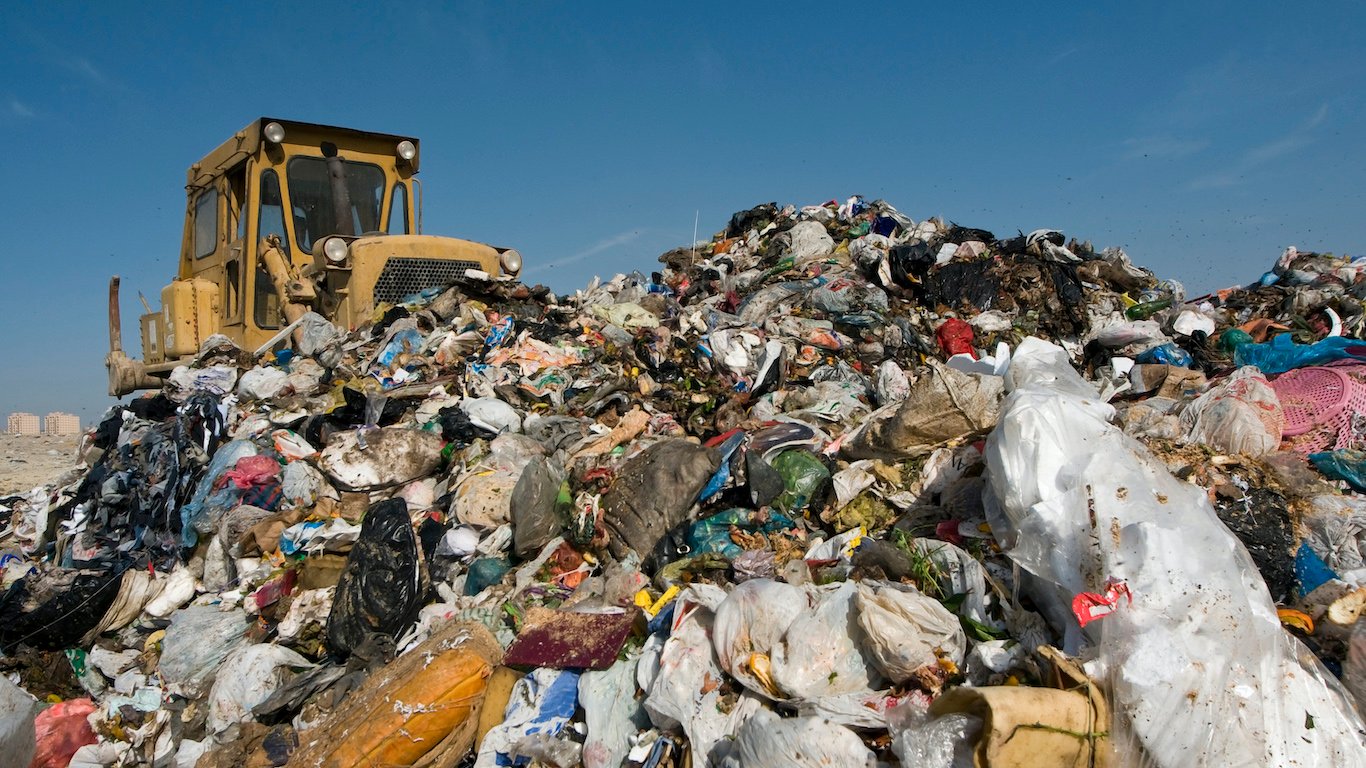
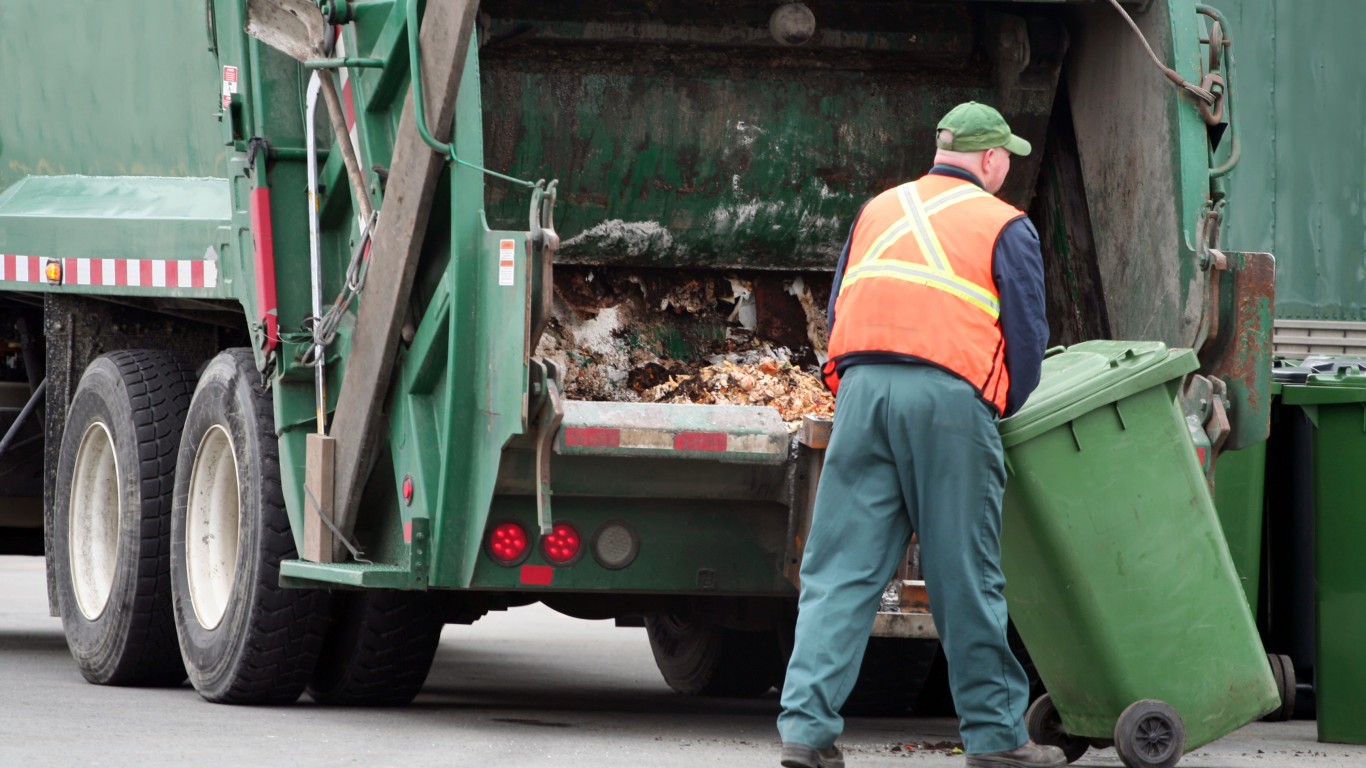
About nine million residential, commercial, and industrial customers in 46 states and six Canadian provinces rely on Waste Connections for garbage collection. It hauls that garbage to transfer stations and then buries much of it in landfills it owns. Collection is the core of the business. In the third quarter, solid waste collection brought in $1,819,886,000 of total revenue of $2.638 billion. Disposal and transfer added $492,188,000, and oilfield waste treatment and disposal added $212,855,000.
The company concentrates on what it calls mostly exclusive and secondary markets. These are smaller towns and franchise territories where one hauler often holds the contract and a new rival would have to build a route network and find somewhere to dump. Its internalization rate was 58% in the quarter. That means more than half of the waste it collected went to its own disposal sites, so it got both the landfill fee and the hauling fee.
Why the Trucks Keep Running Through a Downturn
Households keep throwing out trash in a recession, and municipal contracts usually run for years. The industry’s most recent real stress test came in 2020. During the pandemic shutdowns, commercial and industrial volumes fell in many areas while residential volumes rose. Waste Connections generated $1,408,521,000 in operating cash flow in 2020, compared with $1,540,547,000 in 2019. That was a decline of about 8.6% in the worst economic shock in decades. That fall, the board still raised the quarterly dividend from $0.185 to $0.205, an increase of about 10.8%.
The company’s ability to raise prices is plain in its own numbers. Waste Connections has raised prices steadily while the amount of waste it handles has slipped, and margins have held or widened:
| Period | Solid Waste Core Price | Solid Waste Volume | Adjusted EBITDA Margin |
|---|---|---|---|
| Q4 2025 | 6.4% | -2.7% | 33.0% (full year 2025) |
| Q1 2026 | 6.0% | -1.5% | 32.5% |
| Q2 2026 | 5.6% | -1.9% | 32.8% |
| Q3 2026 | 5.5% | -1.2% | 34.0% |
The full-year 2025 margin was up 100 basis points from the prior year. In the third quarter, diesel prices jumped late in the period. Chief Executive Ronald J. Mittelstaedt said the company “overcame a late quarter surge in diesel pricing to deliver adjusted EBITDA margin of 34% on underlying margin expansion of 50 basis points.” Adjusted EPS came in at $1.58, against a consensus estimate of $1.521.
A Dividend Record Built on Cash, Paired With a Modest Yield
The quarterly dividend was $0.14 in late 2017 and is now $0.385, an increase of 175%. The dividend history shows a raise every fall since then, with each year’s higher amount held flat for four quarters before the next increase. Sixteen straight annual raises still leaves WCN decades short of the longest runs in the market (we ranked ten of those top payers by valuation in a free Dividend Kings report).
The yield is still small. At the new rate, the dividend comes to $1.54 a year, about 0.9% at the recent price of $168.28. More important is how easily the payout is covered. In 2025, the company paid $333,807,000 in dividends. Operating cash flow minus capital spending was $1,219,703,000, so the dividend took about 27% of that cash. Share buybacks used more cash than dividends this year. Repurchases have exceeded $1 billion year to date, retiring about 2.5% of outstanding shares. Management has now raised its 2026 outlook for the second time and expects adjusted free cash flow of $1.40 billion to $1.45 billion.
The share price has gone nowhere lately. The stock is down 3.41% year to date and 2.34% over the past year, but up 30.08% over five years. That kind of record holds steady over long periods and goes quiet for stretches.

One Risk Worth Tracking: Growth That Leans on Price
Solid waste volumes fell from a year earlier in each of the last four quarters. Growth has come from price increases while volumes shrank. Core price growth has also eased, from 6.4% in the fourth quarter of 2025 to 5.5% in the latest quarter. If price increases keep slowing before volumes recover, holding margins gets harder, especially when fuel costs jump the way diesel did late in the third quarter. Management pointed to a 70-basis-point sequential improvement in volumes, driven by landfill activity, as an early sign the trend is turning.
Why Patience Suits a Garbage Hauler
Waste Connections makes its money one route and one landfill at a time, and it raises prices a few percentage points a year. The latest dividend increase continues a 16-year pattern that cash flow supports well. Over the coming quarters, the key numbers to watch are volume trends and the core price.
Contact [email protected] for any questions or corrections.
Chris Lange is a financial and geopolitical writer with more than a decade of experience covering a myriad of topics. He has published thousands of articles for 24/7 Wall St., with past coverage focused heavily on stocks, IPOs, healthcare, defense, global affairs, and technology.
His work has been quoted, or referenced by a number of outlets including Business Insider, USA Today, Yahoo Finance, MSN, The Motley Fool, and many other publications. A graduate of Southwestern University, he studied business with a focus on investments and has previous experience in banking and startups.
When not reading or writing the news, he is following his passion for Lacrosse, playing chess, or building solar projects with his dad.