Nicotine vs. Sugar: Two Distinct Paths to Defensive Cash-Flow Fortress Dominance
Coke and Philip Morris both beat expectations this quarter, but each is quietly betting against its own best product to survive the next decade. Which sacrifice looks smarter for your portfolio?


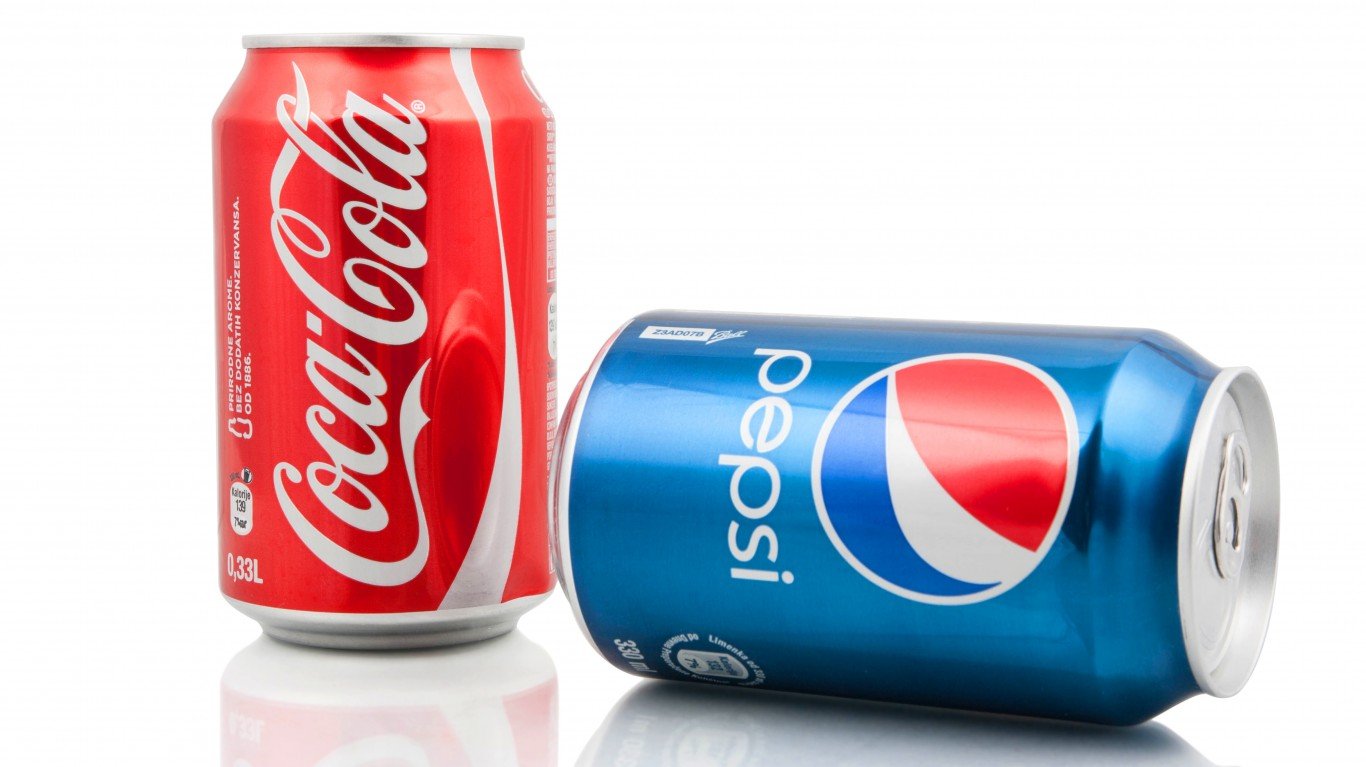
Coca-Cola (NYSE:KO | KO Price Prediction) and Philip Morris International (NYSE:PM) both beat expectations in their latest earnings reports. Both are old habits that are still changing. Coke sold more regular and zero-sugar soda during a World Cup summer. Philip Morris moved further into IQOS, ZYN and VEEV while cigarettes paid for the shift. Each generates strong cash flow through a different business model.
Coke Sold More Soda While Philip Morris Raised Cigarette Prices
Coke’s second-quarter unit case volume rose 5%. Trademark Coca-Cola had its strongest volume growth in 17 years, not counting the COVID rebound, so demand for the flagship drink remains strong. Coca-Cola Zero Sugar grew 16%, which makes it the main low-sugar growth driver. CEO Henrique Braun described the goal this way: “Our mission is simple, ensuring our brands are valued, relevant and worth choosing.”
At Philip Morris, third-quarter combustible pricing rose 8.9% even though cigarette shipments were flat. Marlboro can still raise prices without losing smokers. Smoke-free products now make up over 40% of net revenues. ZYN’s share of the pouch category rose 1.4 points from June to September, which shows ZYN gained ground against rivals.
| Business Driver | Coca-Cola | Philip Morris |
|---|---|---|
| Growth Engine | Zero Sugar, Trademark Coke | IQOS, ZYN, VEEV |
| Cash Funder | Asset-light concentrate model | Combustible pricing |
| Adjusted EPS | $0.97 | $2.36 |
Coke Spends on Affordability While Philip Morris Gives Up Margin for ZYN
Coke is putting money into keeping drinks affordable. Asia Pacific price/mix fell 9% while volume in the region grew 8%. Coke is giving up margin now to win future customers in India and China. Net leverage of 1.4x EBITDA is below Coke’s target range, so the balance sheet has room to spare.
Philip Morris is taking a bigger hit on purpose. ZYN cans are moving to 20 pouches at the old 15-pouch price, which works out to “approximately 25% less revenue per pouch.” Fourth-quarter U.S. operating income should come in “around zero or slightly negative.” That is a big short-term sacrifice. Even so, the company raised its dividend 8.8% to $1.60 a quarter.
Can ZYN Volume Make Up for Lower Pouch Prices?
I will be watching whether ZYN volume grows fast enough to cover the lower price per pouch. Management expects revenue to lag for “three quarters.” Rising excise taxes in Japan and Germany add more uncertainty. For Coke, you should keep an eye on the redesigned Coca-Cola Zero Zero aimed at evening occasions. The fourth quarter will also have six fewer days than last year, and Coke’s tax case against the IRS is still waiting on an appeals court ruling.
Why Coke Fits My Low-Stress Portfolio Better
I prefer Coke for stability. It has raised its dividend for 63 years in a row and guides to about $12.4B of free cash flow. My worry is valuation. Shares are up 35.2% this year at about 30 times earnings, so a lot of good news is already priced in.
Philip Morris pairs a strong income profile with higher regulatory risk. Its $6.40 annual payout is backed by Marlboro’s pricing power. If U.S. ZYN profits recover by mid-2027, I would like Philip Morris a lot more.
Contact [email protected] for any questions or corrections.
Alex Sirois is a financial writer with experience spanning both retail and institutional investing. He has written for InvestorPlace and held roles at BNY Mellon and Bernstein, giving him a perspective that bridges Main Street portfolios and Wall Street analysis.
Alex holds an MBA from George Washington University and has built his career across multiple industries, including e-commerce, education, and translation — a breadth of experience that informs how he breaks down complex financial topics for everyday investors. His writing is conversational, actionable, and grounded in long-term, buy-and-hold investing principles.
At 247 Wall St., Alex focuses on delivering analysis that is both accessible and useful, with a clear emphasis on helping readers make more informed decisions with their money.