What Happened to Pepsi? Coca-Cola Pulled Away and Never Looked Back
Coke and Pepsi both reported earnings this summer, but the results painted two completely different pictures of where each brand stands heading into 2027. One company raised guidance and celebrated its strongest volume growth in nearly two decades. The other…

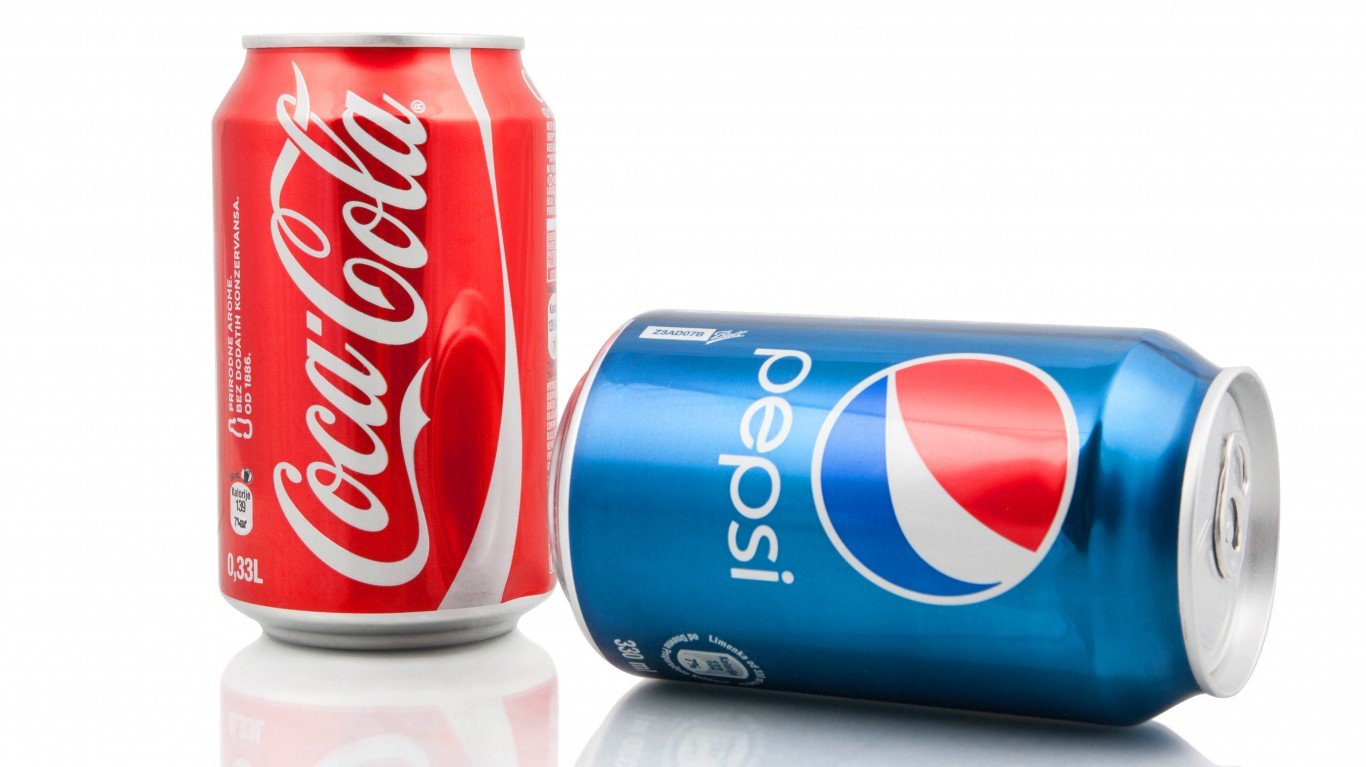
PepsiCo (NASDAQ:PEP | PEP Price Prediction) and Coca-Cola (NYSE:KO) both posted Q2 2026 results this summer, and the gap between them is now impossible to ignore. Coke raised guidance on a 5% volume quarter. Pepsi reaffirmed and admitted North America is broken. The five-year chart says the rest.
Five Years of Divergence Tell the Story
Over the past five years, KO shares returned 84.09% while PEP returned just 3.08%. Year-to-date the split is 27.99% for Coke against -2.13% for Pepsi. That reflects the market pricing two very different operating stories.
| Metric | PEP | KO |
| Q2 2026 revenue | $24.18B | $13.38B |
| Operating margin | 14.4% | 34.9% |
| Q2 organic revenue growth | 2.4% | 6% |
| FY26 guidance | Reaffirmed | Raised |


What Actually Stalled at Pepsi
The problem is concentrated in North America. Pepsi Foods North America revenue fell 2% in Q2, and Pepsi Beverages North America operating margin dropped about 90 basis points. CEO Ramon Laguarta told analysts the U.S. consumer was worse than expected, that “higher gas prices” hurt impulse channels, and that planned price investments were delayed with some customers because of commercial issues. Core operating margin contracted 40 bps company-wide.
The structural issue is that Pepsi runs two businesses, and both are pressured at once. Salty snacks face affordability pushback. Beverages carry a heavier cost load than Coke’s concentrate-and-franchise model. Coke’s Q2 gross margin was 61.6%; Pepsi’s was 54.1%. That gap widens every time input costs move.

Coke Is Doing the Opposite of Struggling
Coca-Cola Zero Sugar volume grew 16% globally. Trademark Coca-Cola volume grew 5%, described by CEO Henrique Braun’s team as the strongest in 17 years outside COVID recovery. The FIFA World Cup activation ran across 180+ markets. Coke raised FY26 comparable EPS growth guidance to 9-10% and free cash flow to ~$12.4B. Pure-play beverages, asset-light, and executing.

Higher Yield Has Been the Consolation Prize
Pepsi’s 4.09% yield beats Coke’s 2.32%, and June brought a 54th consecutive annual increase. For holders sitting on a flat five-year price chart, the dividend is what has kept the position tolerable. It has not closed the total-return gap with KO, and it will not on its own.
What Would Actually Have to Change
I want to see three checkable things before I get constructive on PEP: PFNA volume back to positive with margin stable, PBNA operating margin recovering the 90 bps it gave up, and evidence that permissible and functional platforms like Poppi and Doritos Protein are scaling without cannibalizing core. Until then, Coke is the beverage stock and Pepsi is the turnaround, and turnarounds pay you to be patient. If you own PEP for the yield and the eventual U.S. fix, you need Laguarta’s second-half plan to actually land. If you want the compounder, KO has already shown you what that looks like.
Contact [email protected] for any questions or corrections.
Joel South covers large-cap stocks, dividend investing, and major market trends, with a focus on earnings analysis, valuation, and turning complex data into actionable insights for investors.
He brings more than 15 years of experience as an investor and financial journalist, including 12 years at The Motley Fool, where he served as an investment analyst, Bureau Chief, and later led the Fool.com investing news desk. He has also co-hosted an investing podcast and appeared across TV and radio discussing market trends.