The Fed Is Cutting Back on Rate Votes for the First Time Since 1981
For the first time in more than four decades, the Federal Reserve is shrinking its voting calendar, and the timing could not be more fraught with a December rate hike now seen as nearly certain and long bonds already sliding.

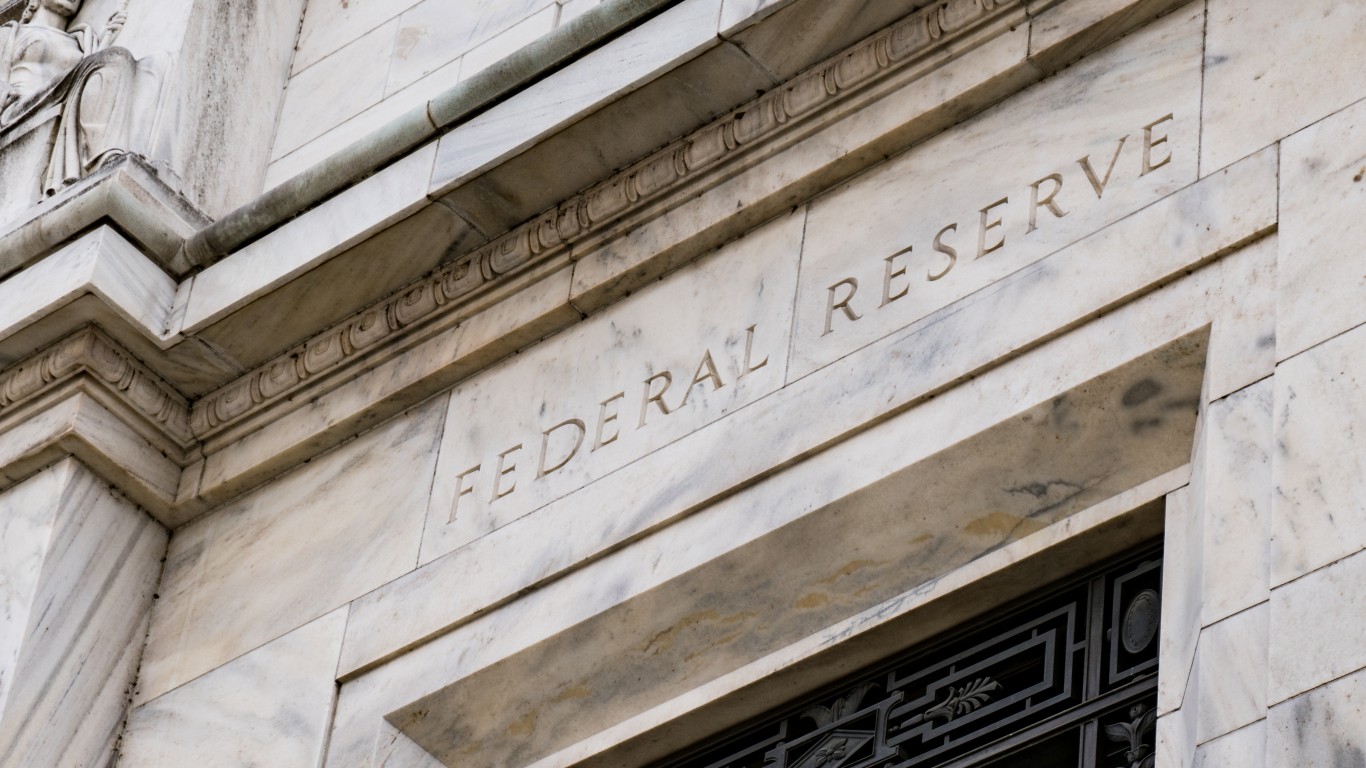
The Federal Reserve will still hold eight scheduled meetings in 2027. Starting next fall, though, one will become a strategy session with no rate vote and no policy statement. This is the first cut in scheduled rate-setting meetings since the eight-meeting cadence began in 1981.
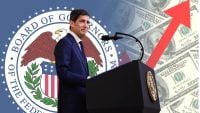
Chair Kevin Warsh announced the change on October 28, 2026. The same day, the Fed held its target range at 3.75% to 4% in a 10-2 vote. Governor Lisa D. Cook and Cleveland Fed President Beth M. Hammack dissented, favoring a 25-basis-point hike. A basis point is one hundredth of a percentage point.
The SPDR S&P 500 ETF Trust (NYSEARCA:SPY) closed at $772.31, then slipped to $768.87 after hours, down 0.45%. The iShares 20+ Year Treasury Bond ETF (NASDAQ:TLT) fell 0.78% to $80.99. For holders of either fund, the key question is whether fewer votes during a hiking debate change the risk you carry.
What Warsh Committed To and What He Left Open
His prepared remarks were specific: “We believe eight meetings per year is the right number for the FOMC. But in 2027, one meeting will focus exclusively on broad monetary policy strategy, with neither a vote on the federal funds rate nor a policy statement anticipated.” In 2028, the Fed will hold two strategy meetings and six policy meetings. The quotes come from a preliminary transcript.
Warsh did not say which 2027 meeting loses its vote. The Fed’s posted calendar still lists eight 2027 meetings and marks none of them as a strategy session. One independent economist estimated October, but that is only a guess. The rest of 2026 stays as scheduled, and the Fed can still act between meetings, as it did in early 2020.
Why Longer Gaps Matter in a Hiking Cycle
Warsh called the schedule “more than some administrative detail.” With fewer votes, more data gathers between decisions, so each remaining vote can deliver a bigger surprise. With fewer policy statements, press conferences and projections will carry more weight.
This matters more because the Fed is considering hikes. Warsh said first-half growth was revised up to 2.4% from 1.8%, and that inflation had run above target for close to 6 years. As of about 1:43 a.m. ET on October 29, prediction markets put the chance of a December hike at 79%.
Political Pressure Around the Calendar
On August 25, 2026, Sen. Ruben Gallego and six other Senate Democrats pressed Warsh to keep at least eight meetings. The law requires only four.
Warsh kept eight meetings on the calendar and still reduced the number of votes. People worried about the Fed’s independence will watch how the vacant vote slot gets used.
Long bonds fell the most after the news. The gap between 10-year and 2-year Treasury yields widened to 0.38% on October 28 from 0.29% a day earlier. TLT is down 3.83% year to date.
SPY is up 13.26% year to date even with the 10-year yield at 4.99%. The fund leans heavily on growth stocks: NVIDIA (NASDAQ:NVDA | NVDA Price Prediction) alone made up 7.58% of assets at the last fact sheet.
What the Fed Shift Means for SPY and TLT Holders
Strong growth supports corporate profits. Stocks also absorbed a hawkish hold calmly, with the VIX volatility index at 17.52 going into the decision.
TLT carries more rate risk than SPY. Rate hikes combined with longer gaps between votes leave long bonds most exposed to uncertainty about where rates are heading.
The test comes on December 9, when the Fed releases new projections. If they show hikes continuing into 2027, or if the Fed marks the strategy session on its calendar for an early 2027 meeting, SPY’s after-hours level of $768.87 will show whether stocks can absorb a tighter Fed.
Contact [email protected] for any questions or corrections.
Omor Ibne Ehsan is a writer at 24/7 Wall St. He is a self-taught investor with a focus on growth, cyclical, and dividend equities that have strong fundamentals, value, and long-term potential. He also has an interest in high-risk, high-reward investments such as penny stocks.