T-Mobile Rallies 7% and SpaceX Falls 4% as Price Tag for Musk’s Wireless Push Balloons; Verizon Rises 3%, AT&T Gains 2%
A new estimate of what it could cost SpaceX to build a rival U.S. wireless network is sending shockwaves through the telecom sector, reshuffling winners and losers in ways that cut against what most investors expected just weeks ago.

Fresh estimates of what it could cost SpaceX (NASDAQ:SPCX | SPCX Price Prediction) to build a rival U.S. mobile carrier are raising the incumbents it hopes to challenge. T-Mobile (NASDAQ:TMUS) stock is at $157.57 this morning, up 7%; at the same time, SpaceX stock is at $138.35, down 4%.
Among the major carriers, T-Mobile is the biggest winner, though the SpaceX cost story is likely one factor among several. The company beat expectations with its Q3 2026 results on October 28, and money is rotating out of tech into steadier dividend payers. Even so, T-Mobile stock remains down 21% year to date (YTD).
SpaceX’s Wireless Price Tag Keeps Climbing
In an interview published on October 30, telecom expert William Webb estimated SpaceX could need an additional $120 billion to $130 billion to compete with T-Mobile and the other big carriers. SpaceX has agreed to nearly $28 billion in spectrum deals, but Webb says those purchases would give it only about a quarter of the spectrum a typical major operator holds. On top of that, Webb puts the network build-out at $30 billion to $40 billion. BNP Paribas projected at least $100 billion in capital and operating spending before revenue, excluding spectrum and financing.
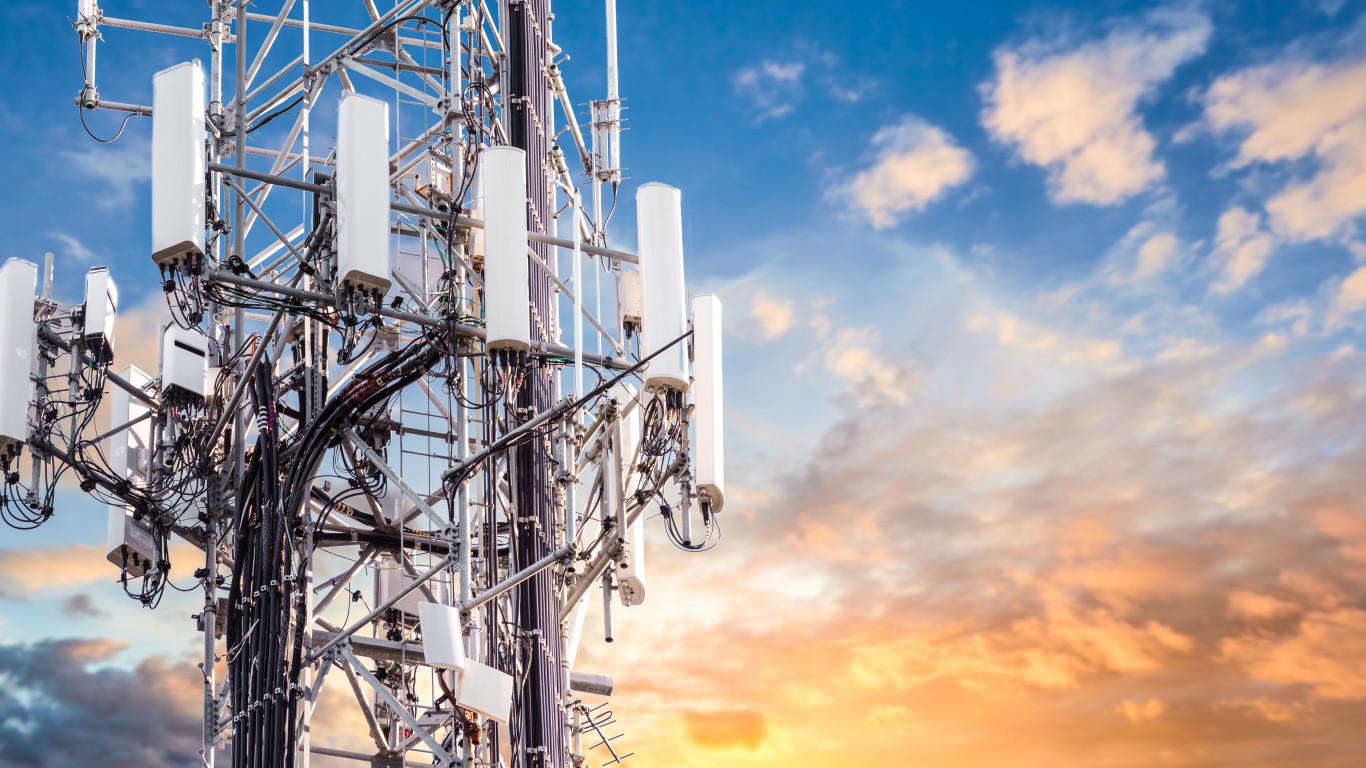
Spectrum is the set of government-licensed radio frequencies that carry calls and data. More of it lets a carrier serve more customers at once, which matters most in busy cities where crowds share the same towers. That’s partly why SpaceX is reportedly seeking access to at least 80,000 U.S. cell sites.
A Cheaper Path and Cooling Expectations for SpaceX
Recon Analytics founder Roger Entner argued that SpaceX could build a substantial rural-first network for $10 billion to $15 billion, excluding additional spectrum, though that network wouldn’t initially match the big carriers’ nationwide capacity. Sentiment has cooled on SpaceX, too. The estimated probability of the company offering its own U.S. mobile plan by December 2027 now stands at 27%, down from 37% last week.
T-Mobile CEO Srini Gopalan also ruled out a partnership on the company’s earnings call. A mobile virtual network operator (MVNO) rents capacity on another carrier’s network, and Gopalan said, “I see no room for an MVNO with SpaceX either on the consumer side or on the physical and edge AI side.”
T-Mobile’s Earnings Give the Rally a Base
Net income at T-Mobile rose 27% to $3.5 billion in Q3, or $3.22 per share, while the company’s service revenue climbed 6% to $19.4 billion. Management raising T-Mobile’s full-year forecast for core adjusted EBITDA to $37.35 billion to $37.45 billion and its adjusted free cash flow outlook to $18.7 billion to $18.8 billion. The company returned $3.5 billion to shareholders.
Some soft spots showed up in T-Mobile’s quarter. The carrier added 274,000 postpaid accounts, down from 396,000 a year earlier, and its postpaid churn, the share of customers who leave, rose to 1.09% from 0.97%.
Verizon and AT&T Join the Telecom Rebound
Verizon (NYSE:VZ) stock is at $44.84, up 3%. That gain trails T-Mobile’s rally, even though Verizon disclosed on October 26 that it added a net 406,000 postpaid phone customers in Q3.
AT&T (NYSE:T) stock is at $21.36, up 2%. Even with the gain, AT&T stock is down 12% over the past month. Telecom shares, AT&T included, fell sharply on October 9 after SpaceX moved to buy spectrum for a deeper Starlink push into mobile service.
SpaceX Also Feels the Tech Selloff
The broader tech rout is weighing on SpaceX as well. Yahoo Finance’s Brian Sozzi grouped SpaceX with the hyperscalers, the biggest cloud and AI spenders, behind the selloff. The company burned about $9.9 billion in free cash flow in the quarter.
Evercore ISI strategist Julian Emanuel expects that group, including SpaceX, to post losses near $200 billion over the next year. That’s helping dividend-paying carriers, whose steady subscription revenue appeals to retirement-minded investors.
How T-Mobile’s Model Differs From SpaceX and Its Rivals
T-Mobile is a wireless-first carrier built on its 5G network and fixed wireless home internet, with fiber added through acquisitions. Verizon pairs wireless with its Fios fiber network and sells fiber capacity to AI infrastructure customers.
AT&T centers on integration, bundling fiber home internet with wireless. SpaceX combines rockets, Starlink satellite internet and AI computing power, with Starlink Mobile as a newer piece.
What Comes Next in the Carrier Fight With SpaceX
SpaceX will soon find out whether its upcoming spectrum moves and a planned Federal Communications Commission (FCC) spectrum auction push its costs higher. For T-Mobile, the key question is whether churn falls from its Q3 level.
The bulls see a rising price tag protecting the incumbents, while the bears note the telecom rebound could fade if tech stocks recover. It could make sense to stay cautious until the debate over SpaceX’s wireless costs resolves.
Contact [email protected] for any questions or corrections.
David Moadel is financial writer specializing in stocks, ETFs, options, precious metals, and Bitcoin. David has written well over 1,000 articles for leading online publications, helping investors understand markets, income strategies, and risk.His work has appeared in The Motley Fool, InvestorPlace, U.S. News & World Report, TipRanks, ValueWalk, Benzinga, Market Realist, TalkMarkets, Finmasters, 24/7 Wall St., and others.With a master’s degree in education, David has taught at the elementary, high school, and college levels. That teaching background shapes his writing style: clear, educational, and practical. David has also built a loyal social-media audience by providing trustworthy financial content on YouTube, X/Twitter, and StockTwits.