Ovintiv Is Quietly Building an AI Advantage That Wall Street May Be Missing
Most investors hunting AI winners focus on chips and data centers, but one oil and gas producer is quietly using artificial intelligence to squeeze more output from existing wells while positioning itself to profit from AI's surging energy appetite.


Investors chasing artificial intelligence winners usually focus on chipmakers, software companies, and utilities powering data centers. But Ovintiv Inc. (NYSE:OVV | OVV Price Prediction) offers a different angle on the AI boom. The oil and natural gas producer is using AI to improve production efficiency, while expanding AI infrastructure could eventually increase demand for its natural gas.
That creates an intriguing opportunity. Ovintiv could benefit from AI both as a technology user and as an energy producer. More importantly, the company already has operational results supporting part of that investment thesis.
AI Is Helping Ovintiv Produce More Oil Without Spending More
Oil wells naturally decline in productivity, forcing producers to continually invest in maintaining output. Ovintiv is using AI and automation to tackle that expensive challenge.
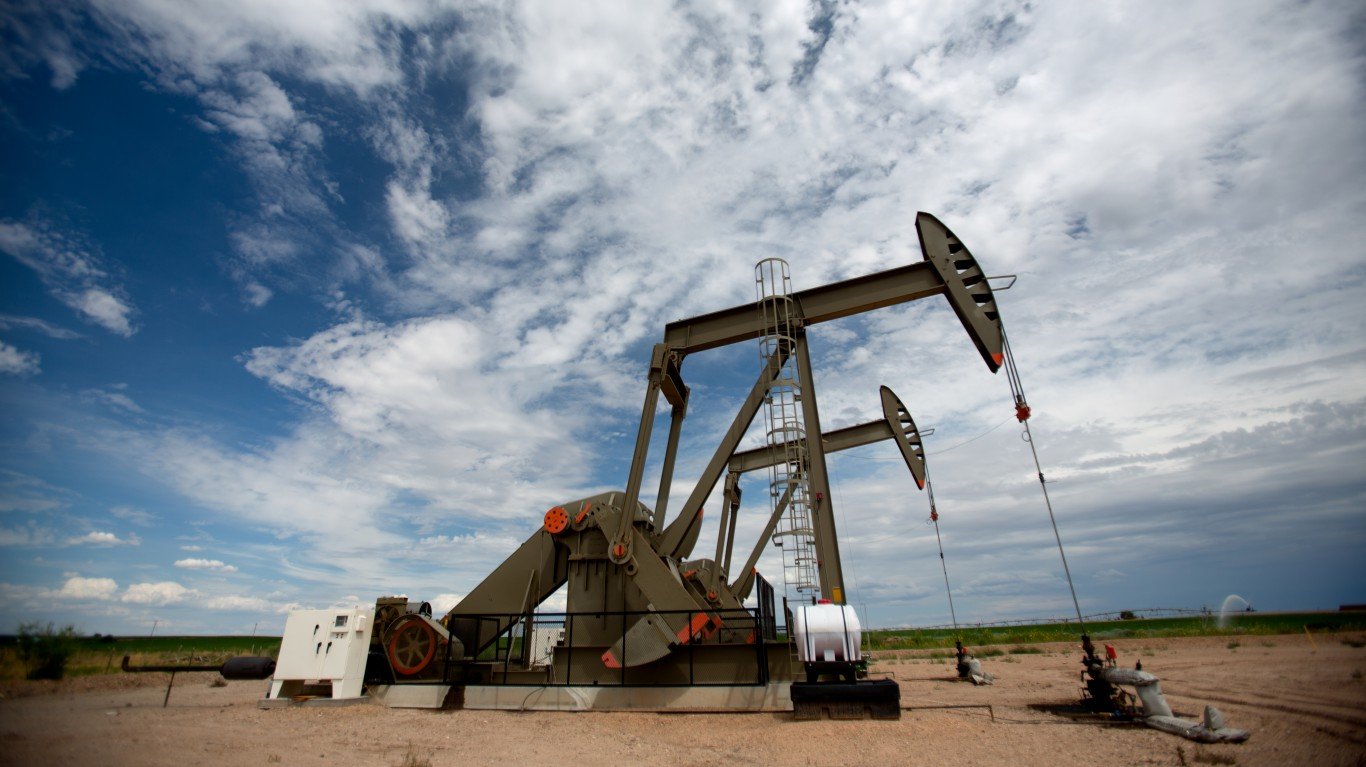
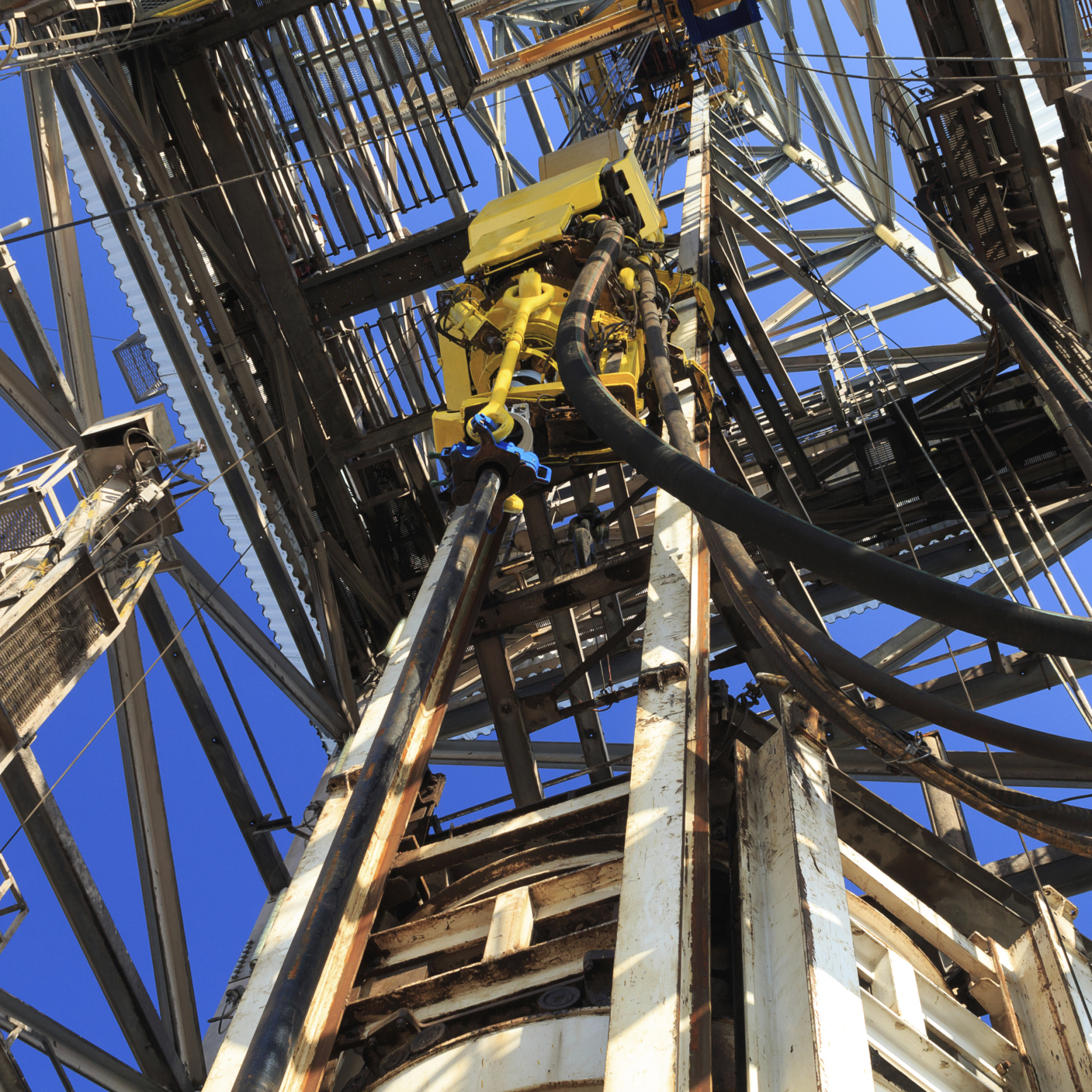
At its Permian Basin operations center in Midland, Texas, the company uses AI-powered tools to monitor equipment, optimize artificial-lift systems, reduce downtime, and improve production from existing wells.
During its July earnings call, COO Greg Givens said existing Permian production was performing approximately 3% better than originally planned. Management attributed a meaningful portion of that improvement to remote operations, AI, and automation.
The financial implications are significant. Ovintiv increased its expected Permian oil and condensate production run rate from 120,000 to 125,000 barrels daily without additional drilling activity or capital spending.
That’s approximately 4.2% more production from the same operating program.
AI wasn’t solely responsible. Stronger new wells and other operational improvements contributed. Nevertheless, producing more oil without proportionately increasing investment creates opportunities for higher free cash flow.
CEO Brendan McCracken credits the company’s broader “stacked innovation” strategy, combining proprietary well data, AI, engineering expertise, and advanced drilling techniques.
Management believes its extensive private dataset helps Ovintiv identify which technologies improve production and apply those lessons across its operations. That could become increasingly valuable as producers compete to maintain drilling productivity and control costs.
AI Data Centers Could Make Ovintiv’s Natural Gas More Valuable
Ovintiv’s second AI opportunity comes from its substantial natural gas operations in Western Canada.
The International Energy Agency projects global data center electricity consumption will nearly double from 485 terawatt-hours in 2025 to 950 terawatt-hours by 2030. Electricity demand from AI-focused data centers is expected to triple.
Natural gas-fired power generation could help meet that demand, particularly in regions developing major AI infrastructure projects.
In July, Meta Platforms (NASDAQ:META) announced plans for a C$13 billion AI data center development in Alberta.
The associated Greenlight Electricity Centre, backed by Pembina Pipeline (NYSE:PBA) and its partners, is planned as a 932-megawatt natural gas-fired power facility.
Greenlight’s planned natural gas consumption is approximately 150 million cubic feet daily. That’s equivalent to roughly 7.7% of Ovintiv’s second-quarter companywide natural gas production of 1.96 billion cubic feet per day.
The comparison illustrates the potential scale of AI-related energy demand, not a confirmed sales opportunity for Ovintiv.
During July’s earnings call, McCracken specifically identified Western Canadian data centers as a potential future market for the company’s natural gas.
That’s important because Alberta’s AECO natural gas benchmark frequently trades at a discount to other North American markets. Additional regional demand could support better pricing and create new outlets for production.
However, Greenlight isn’t expected to begin operating until 2030, and Ovintiv has not disclosed a supply agreement with Meta or the project.
For more companies positioned around AI’s growing electricity requirements, see our free report covering seven AI energy opportunities.
Ovintiv’s Cash Flow Gives the AI Story Financial Substance
Unlike speculative AI investments, Ovintiv already generates substantial cash from established operations.
During the second quarter, the company produced 615,000 barrels of oil equivalent daily and generated $682 million in non-GAAP free cash flow after $574 million in capital investment.
Ovintiv returned $429 million to shareholders through buybacks and dividends, representing approximately 63% of quarterly free cash flow. Net debt declined to approximately $3 billion, giving management additional financial flexibility.
The company is also expanding in Western Canada. On October 26, Ovintiv announced an $890 million acquisition of Logan Energy, expected to add approximately 266,000 net acres and 20,000 barrels of oil equivalent in daily production.
Management anticipates $60 million in annual acquisition-related cost savings and approximately 5% accretion to 2027 non-GAAP cash flow per share. Those benefits are not specifically attributable to AI.
The investment question is whether these operational advantages justify further upside following Ovintiv’s substantial 2026 stock rally. Commodity prices remain the dominant earnings driver, and management hasn’t quantified AI’s independent financial contribution.

Ovintiv releases third-quarter results after the close November 3, followed by its November 4 earnings conference call.
Investors should watch whether management maintains its full-year oil and condensate production guidance of 210,000 to 212,000 barrels daily without increasing its $2.25 billion to $2.35 billion capital budget.
If Ovintiv continues improving production efficiency while AI infrastructure creates new natural gas markets, its technological capabilities could become a more meaningful part of the investment case.
Contact [email protected] for any questions or corrections.
Joel South covers large-cap stocks, dividend investing, and major market trends, with a focus on earnings analysis, valuation, and turning complex data into actionable insights for investors.
He brings more than 15 years of experience as an investor and financial journalist, including 12 years at The Motley Fool, where he served as an investment analyst, Bureau Chief, and later led the Fool.com investing news desk. He has also co-hosted an investing podcast and appeared across TV and radio discussing market trends.