AMD and Sandisk Both Suffered Massive Price Swings But Sandisk is Absolutely Riskier
Both AMD and Sandisk have been hammered despite strong earnings, but the reasons behind each selloff reveal something important about which stock carries a danger that cannot simply be waited out.

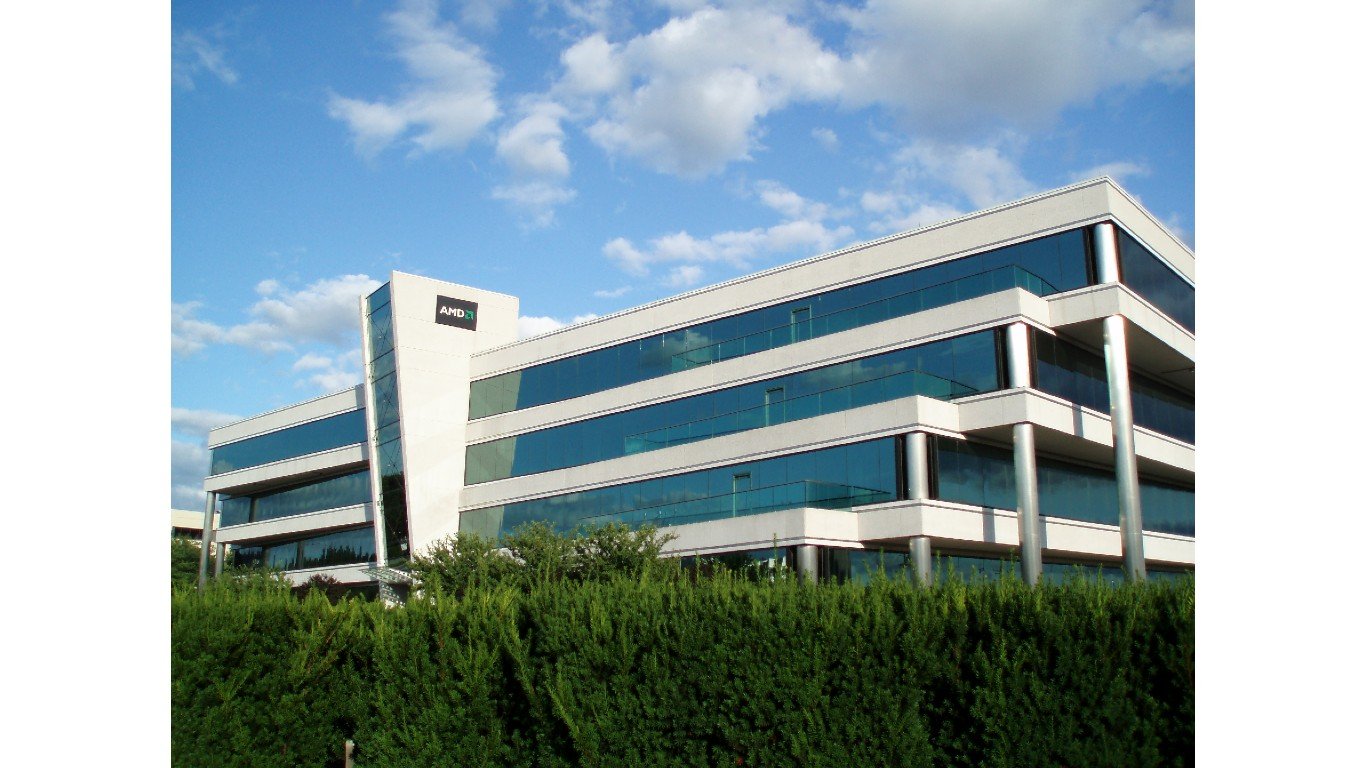
Sandisk (NASDAQ:SNDK | SNDK Price Prediction) and AMD (NASDAQ:AMD) both sell into the AI expansion, and both stocks have swung hard. Over the past month, Sandisk fell 37.49% and AMD dropped 26.36%. Their latest earnings reports explain why Sandisk’s slide carries more risk.
Flash Pricing Lifts Sandisk While EPYC and Instinct Carry AMD
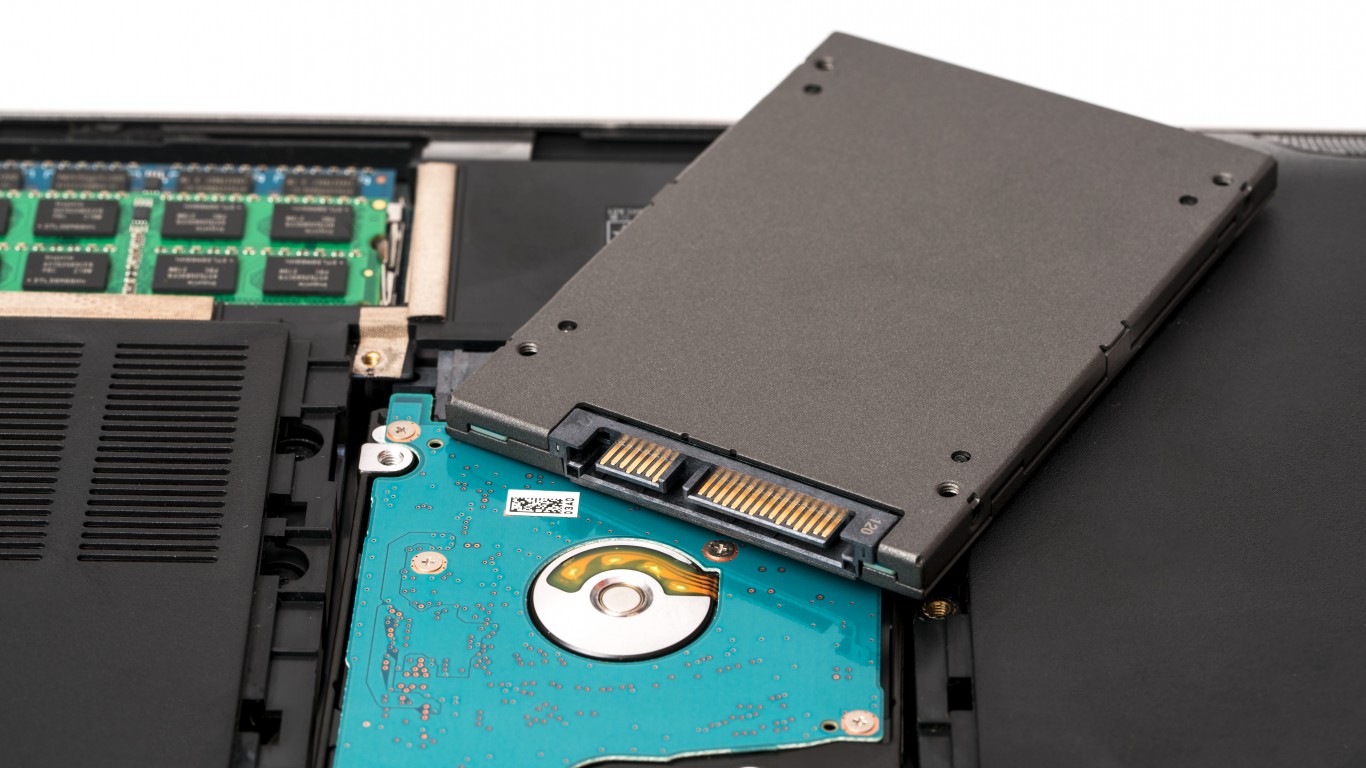
Sandisk’s fiscal Q1 2027 revenue reached $11.03B, up 377.9% YoY. That growth comes from a cycle. Higher pricing drove about 40% of the revenue increase. Datacenter sales rose 61% sequentially to $4.80B on enterprise SSDs for AI, its fastest-growing segment. Consumer revenue fell 29% sequentially, and management said the market was still adjusting to higher prices. Consumer buyers are still adapting to those prices.
AMD’s mix is broader. Revenue rose 50.1% to $11.54B, and Data Center made up 58% of total revenue. Server CPUs posted a fifth consecutive record quarter. CEO Lisa Su said “Customer pull for Helios is very strong and tracking ahead of our initial forecast.”
| Business Driver | Sandisk | AMD |
|---|---|---|
| Growth Engine | AI enterprise SSDs | EPYC CPUs, Instinct GPUs |
| Weak Spot | Consumer, down 39% YoY | Gaming, down 31% YoY |
| Gross Margin | 85.0% GAAP | 56% non-GAAP |
One Commodity Versus Four Engines
Sandisk sells one product family: NAND made through its Flash Ventures joint venture with Kioxia, which leaves it dependent on a partner. GAAP gross margin rose 55.2 ppt in a year. A move that fast can also run in reverse. Management said supply can’t adjust quickly: “It takes 120 days or so to produce a wafer.” Long-term NBM contracts cover about 50% of bits for fiscal 2027, which gives some buffer. Morningstar (NASDAQ:MORN) still cut its fair value estimate and called slowing price growth a bad omen.
AMD gets its demand from multi-gigawatt deals with OpenAI, Meta Platforms (NASDAQ:META) and Anthropic, which plans up to 2 GW of MI450 GPUs. Its biggest risks are execution, tight supply and China export controls. A P/E near 176 leaves little room for error. Sandisk’s 13 looks cheap, but it is built on peak-cycle earnings.
Fiscal Q3 Seasonality Is Sandisk’s Real Test
Sandisk guided fiscal Q2 revenue to $12.2B to $12.6B, which assumes modest price increases. I am more focused on the quarter after that. Management cited historical fiscal Q3 bit declines of 19% and told analysts to model it conservatively. For AMD, keep an eye on Helios shipments as they increase into 2027.
Why I See Sandisk as the Riskier Holding
Both stocks punish good results. AMD fell 7.04% on its Q2 earnings day despite beating estimates. Sandisk dropped 13.47% after a 7% beat. Sandisk has also returned 352.89% year to date, compared with 117.99% for AMD, so it has much more to give back.
AMD’s volatility looks easier to absorb. AMD can absorb a weak gaming quarter, while Sandisk depends on NAND pricing holding up. I would rethink that if Sandisk’s NBM coverage rises well above half its bits and consumer demand stabilizes, which would suggest pricing is holding.
Contact [email protected] for any questions or corrections.
Alex Sirois is a financial writer with experience spanning both retail and institutional investing. He has written for InvestorPlace and held roles at BNY Mellon and Bernstein, giving him a perspective that bridges Main Street portfolios and Wall Street analysis.
Alex holds an MBA from George Washington University and has built his career across multiple industries, including e-commerce, education, and translation — a breadth of experience that informs how he breaks down complex financial topics for everyday investors. His writing is conversational, actionable, and grounded in long-term, buy-and-hold investing principles.
At 247 Wall St., Alex focuses on delivering analysis that is both accessible and useful, with a clear emphasis on helping readers make more informed decisions with their money.