I’ve Been Adding Celestica Because It Appears to Be a Hidden AI Gem
Celestica just dropped 35% right after guiding for revenue to nearly double, and one investor sees that selloff not as a warning sign but as an open invitation to buy more.

My position in Celestica (NYSE:CLS | CLS Price Prediction) keeps growing, and the latest decline only strengthened my conviction. The stock fell 35.66% over the past month, right after the company told investors it expects to nearly double revenue next year. I added again.
Why Hyperscalers Keep Calling Celestica First
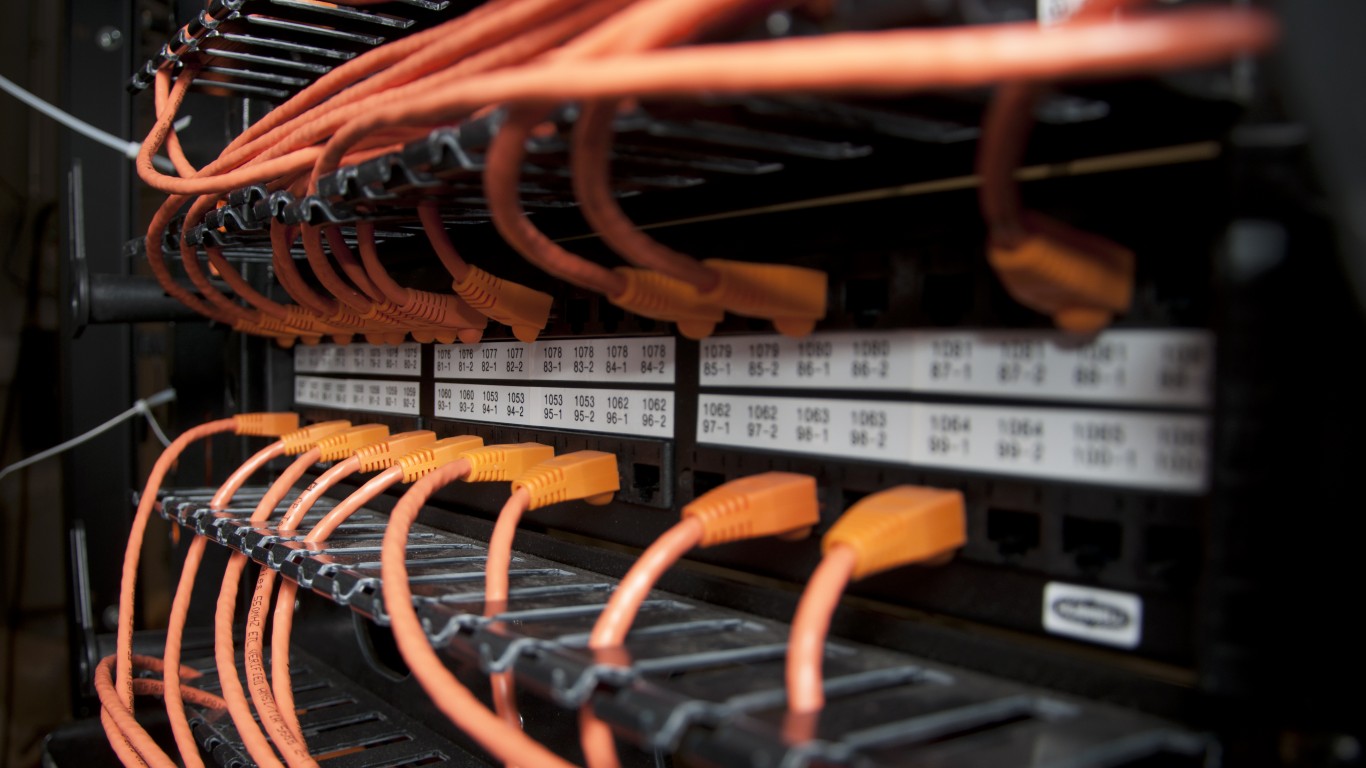
Celestica builds the switches, racks, and compute systems that AI data centers run on. Its design-led programs require customers to align on development with Celestica “up to 24 months in advance of mass production”. That early seat at the table creates loyalty I rarely find in hardware. Management cites a 58% share of custom Ethernet switch revenue and calls Celestica the number-one provider in 800G-and-higher data-center Ethernet networking. It also builds OpenAI’s Jalapeño platform and is expanding capacity for Alphabet (NASDAQ:GOOGL) Google TPU systems.
Celestica is one of a handful of overlooked names supplying the AI data-center expansion rather than the chips inside it, and we featured seven of these companies here: 7 Stocks Powering the AI Boom (That Aren’t Chipmakers).
Three Numbers That Keep Me Adding
First, growth. Third-quarter revenue reached $5.83 billion, up 84.57%, while Connectivity & Cloud Solutions grew 102%. Adjusted EPS of $3.30 beat the $2.97 estimate, the 6th consecutive beat. The initial 2027 outlook calls for $40.0 billion in revenue and adjusted EPS of $21.50.
Second, profitability. The adjusted operating margin hit 8.5%, a company high, and management targets a record 9.0% in 2027. Adjusted ROIC reached 64.7%.
Third, price. At $249.17, I pay roughly 12 times 2027 EPS guidance, backed by a $3.2 billion net cash position and leverage of just 0.4 turns.
Why My Money Skips Jabil and Flex
Jabil (NYSE:JBL) is the obvious electronics manufacturing services (EMS) name, but its fiscal third-quarter revenue grew 11.79%, and at that report it had guided to just a 5.8% core operating margin for fiscal 2026. Its shareholders’ equity of $1.33 billion sits against $22.49 billion in total liabilities. I prefer Celestica’s cash pile.
Flex (NASDAQ:FLEX) runs a solid business, with revenue up 24.79% and a 7.1% adjusted operating margin. Its fiscal 2027 EPS growth guide is 52% at the midpoint, versus Celestica’s 86%. I want the faster engine.
Risk That Could Actually Hurt Me
Concentration worries me most. Three customers made up 35%, 17%, and 14% of third-quarter revenue. Management also cut 2026 free cash flow guidance to $460 million from $600 million and expects a net use of cash in 2027, with growth weighted to the second half. A delayed ramp at one big customer would hurt.
I accept that risk because management says it sees “no financial distress across our portfolio,” liquidity stands near $5.7 billion, and customers already discuss programs reaching into 2028 and beyond. Retirement-minded readers should know Celestica pays no dividend. I own it as my growth engine and collect income elsewhere.
What Keeps My Buy Button Active
CEO Rob Mionis said customer demand forecasts run “meaningfully higher for 2028” than the 2027 outlook. Ten 1.6T programs, a co-packaged optics ramp in late 2027, and a renewed buyback plan give me plenty to keep an eye on. As long as Celestica keeps building the infrastructure of AI while trading at about 12 times next year’s earnings, I will keep buying shares every time the market gets nervous.
Contact [email protected] for any questions or corrections.
Alex Sirois is a financial writer with experience spanning both retail and institutional investing. He has written for InvestorPlace and held roles at BNY Mellon and Bernstein, giving him a perspective that bridges Main Street portfolios and Wall Street analysis.
Alex holds an MBA from George Washington University and has built his career across multiple industries, including e-commerce, education, and translation — a breadth of experience that informs how he breaks down complex financial topics for everyday investors. His writing is conversational, actionable, and grounded in long-term, buy-and-hold investing principles.
At 247 Wall St., Alex focuses on delivering analysis that is both accessible and useful, with a clear emphasis on helping readers make more informed decisions with their money.