Stellantis Is Now Down 58% in 2026: Is STLA Stock Dead Money or the Opportunity of a Lifetime?
Stellantis has lost more ground in a single year than most automakers lose in a decade, leaving investors split between a historic buying opportunity and a value trap with a credit rating one step from junk.


Stellantis (NYSE:STLA | STLA Price Prediction) has spent 2026 paying for an electric vehicle (EV) strategy that ran ahead of its customers, and the stock has fallen far behind its Detroit rivals. Stellantis stock is down 58% year to date (YTD) this afternoon to $4.54. That figure includes a 4% drop from the prior close. Across the past 52 weeks, the shares have traded between $3.92 and $12.22.
Checking in on the peers, Ford Motor (NYSE:F) stock is at $12.30, down 3% YTD. General Motors (NYSE:GM) stock is at $88.57, up 10% YTD. Both Detroit names have held up far better than Stellantis, even with Ford in the red. For Stellantis shareholders, the sharper question is whether the stock is dead money or a recovery candidate.

How the EV Reset Dragged Stellantis Down in 2026
Stellantis set the tone on February 26, when it reported its 2025 results. The company lost $22.3 billion in 2025. Behind the loss were $25.4 billion in charges tied to resetting its EV plans. CEO Antonio Filosa said the results reflected “the cost of over-estimating the pace of the energy transition.”
On that date, the company announced that its board suspended its 2026 dividend. Relief arrived with Stellantis’ third-quarter 2026 report on October 28, when management reaffirmed its 2026 guidance.
Why Stellantis Runs a Different Playbook Than Ford and General Motors
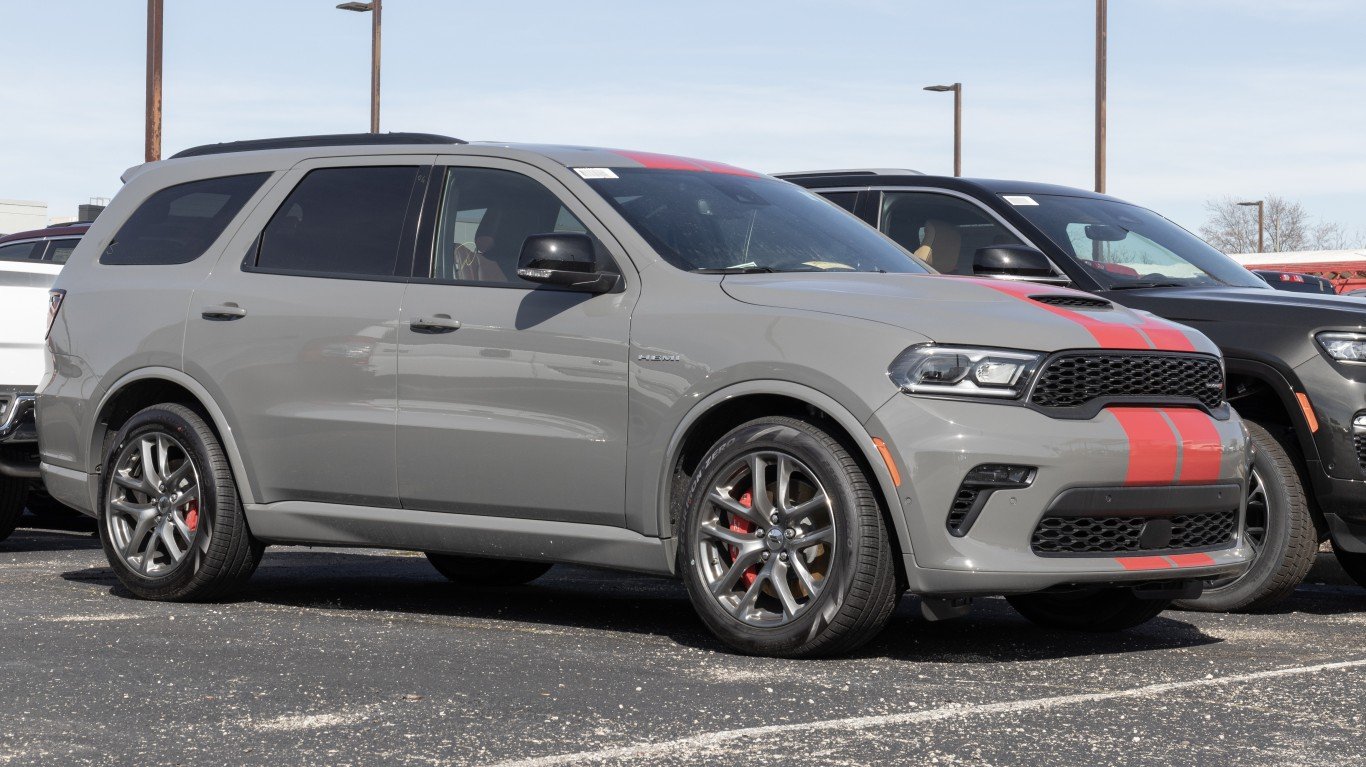
Stellantis manages more than a dozen brands across several regions, from Jeep, Ram and Dodge in North America to Fiat, Peugeot, Citroën and Opel in Europe. That spread gives Stellantis heavy exposure to Europe’s mass market, where management notes Chinese competition and a difficult pricing environment. A partnership with Leapmotor adds Leapmotor EVs to Stellantis’ range outside China.
Ford leans on the U.S. market, where F-Series pickups and the Ford Pro commercial unit do the heavy lifting. General Motors is also U.S.-centric, built around Chevrolet, GMC and Cadillac trucks and SUVs. Both rivals have far less exposure to European pricing pressure than Stellantis does.
Bull Case Points to Cost Cuts and 2027 Cash Flow
In its third-quarter report, Stellantis held its 2026 outlook for mid-single-digit net revenue growth and a low-single-digit adjusted operating margin. The automaker still targets positive industrial free cash flow in 2027. Behind that goal is Stellantis’ Value Creation Program, which aims for €6 billion in annual run-rate savings by 2028. Management expects fourth-quarter savings to reach “mid-hundreds of millions of euros.”
RBC’s Tom Narayan noted “Q3 was soft, but consensus expectations were far lower,” while Filosa pointed to “meaningful improvements in manufacturing and quality.” Stellantis’ U.S. market share rose to 7.8% in the third quarter, with the Ram 1500 HEMI V8 and Jeep Cherokee hybrid among its newer products. Analysts’ consensus price target on the stock is $7.10.

Bear Case Keeps Pressure on Stellantis
Credit is the first worry: S&P rates Stellantis’ debt BBB- with a negative outlook, one step above junk. Third-quarter shipments at Stellantis fell 1% to 1.3 million units, while industrial free cash flow stayed deeply negative. Management at Stellantis also highlighted about €1 billion in second-half cost pressures.
Stellantis’ North America unit earned a thin 1.6% adjusted operating margin in the second quarter of 2026. The company also faces securities class action complaints tied to its EV strategy. Wall Street leans bearish on the stock, with 3 Buy, 2 Hold, 1 Sell and 4 Strong Sell ratings.

What Stellantis Must Prove Before 2027
Stellantis now faces the question of whether fourth-quarter shipments rise and Value Creation Program savings keep building. Any progress toward positive industrial free cash flow in 2027 could also support the company’s credit rating. Investors can watch for tariff costs on the Jeep Cherokee until its production moves to Belvidere, Illinois.
The bulls can point to a beaten-down Stellantis with reaffirmed guidance, cost initiatives running ahead of schedule and a fresh product wave. At the same time, the bears could point to notes thin margins, weak cash flow and a credit rating one step from junk. Traders may prefer to keep their STLA share exposure smaller until the debate over Stellantis’ 2027 cash flow resolves.
Contact [email protected] for any questions or corrections.
David Moadel is financial writer specializing in stocks, ETFs, options, precious metals, and Bitcoin. David has written well over 1,000 articles for leading online publications, helping investors understand markets, income strategies, and risk.His work has appeared in The Motley Fool, InvestorPlace, U.S. News & World Report, TipRanks, ValueWalk, Benzinga, Market Realist, TalkMarkets, Finmasters, 24/7 Wall St., and others.With a master’s degree in education, David has taught at the elementary, high school, and college levels. That teaching background shapes his writing style: clear, educational, and practical. David has also built a loyal social-media audience by providing trustworthy financial content on YouTube, X/Twitter, and StockTwits.