Beijing Is Now Pushing Buybacks and Blocking IPOs to Prop Up Stocks
China's central bank is subsidizing buybacks while regulators quietly tell banks to freeze new listings, but one session of gains already faded. Here is what that contradiction means for investors holding Chinese stock ETFs right now.

This post may contain links from our sponsors and affiliates, and Flywheel Publishing may receive compensation for actions taken through them.
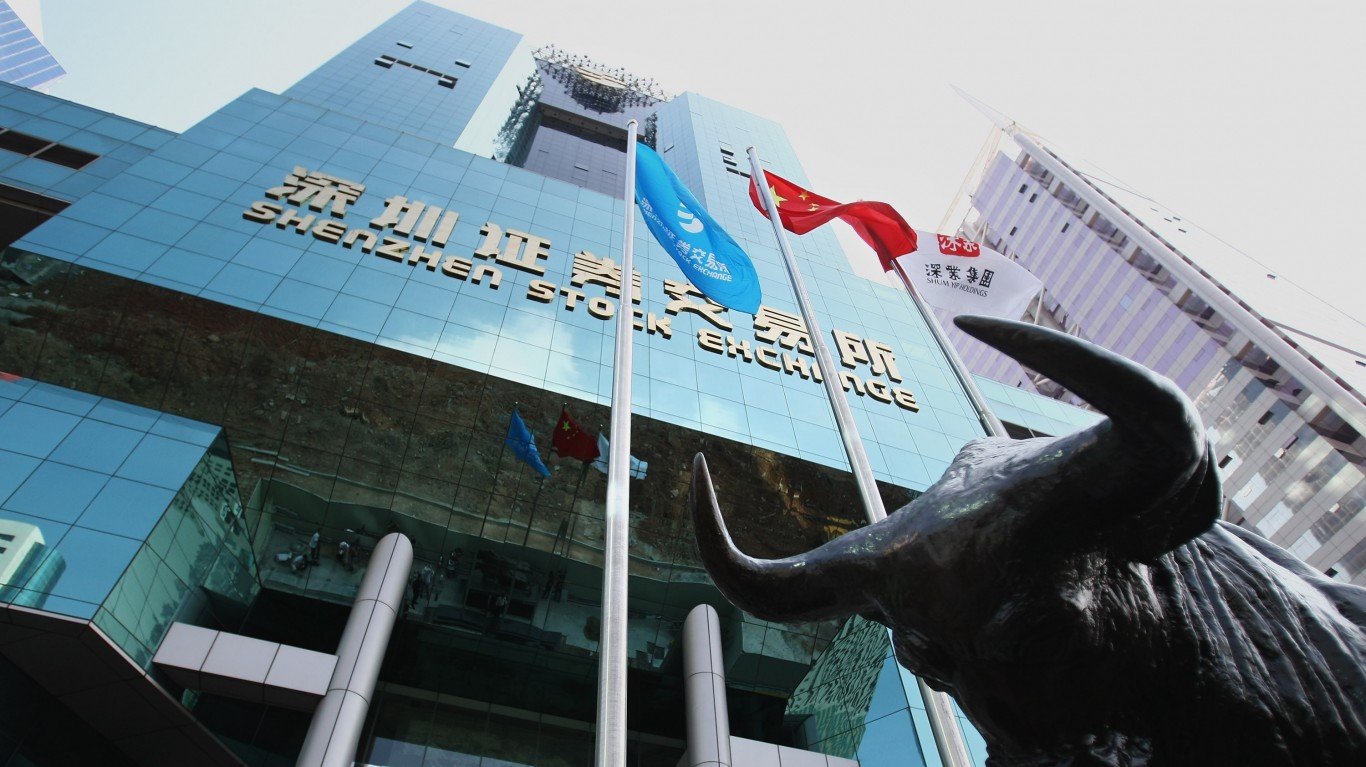
On Monday, November 2, 2026, the Shanghai Composite rose 1.1% after China’s central bank made cheap stock buyback loans a permanent tool. On Tuesday, November 3, 2026, the index fell 0.8% to near its lowest level in a year.
Beijing is working to support share prices from two directions. The People’s Bank of China is adding demand by funding buybacks. The securities regulator reportedly told banks to pause new listings, which would cut the supply of new shares.
It came through “window guidance,” meaning unwritten instructions that regulators give banks in private meetings. Regulators did not comment, and no rule was published.
For US investors, the real question is whether a policy floor is reason enough to own Chinese stocks through the iShares China Large-Cap ETF (NYSEARCA:FXI) or the KraneShares CSI China Internet ETF (NYSEARCA:KWEB). Both barely moved Tuesday. FXI slipped 0.05%, and KWEB fell 0.26%, and nothing ties either move to the news.
What Beijing Actually Put in Writing
The central bank made the firm commitment. It cut the rate on its buyback relending facility from 1.25% and made the facility permanent. Banks receive 100% low-cost funding on one-year renewable terms, then lend to companies at “a reasonable markup,” so borrowers pay more than the base rate.
The facility is open to 21 national banks and five major regional banks. Bank quota applications came in at more than 200 billion yuan against an initial quota of 300 billion yuan. Planned company borrowing, which is a separate measure, reached nearly 270 billion yuan.
The regulator also removed the six-month wait before newly listed companies can make defensive buybacks. Companies listed for less than 36 months must now honor the price-stabilization pledges they made at listing.
Why Beijing Moved Now
The CSI 300, China’s main index of large mainland stocks, fell 8.5% in October, its worst month in more than a decade. The STAR 50 tech index fell about 40% from its midyear peak, and IPO fundraising reached 292 billion yuan, the highest since 2023.
Factory data also weakened. The official manufacturing PMI, a survey in which readings below 50 signal contraction, slipped to 49.3 in October from 50.1.
One Session of Relief
Much of Monday’s gain faded on Tuesday. The CSI 300 slipped 0.2% and stands 13% below its January level. The STAR Chip index fell as much as 7% intraday.
Buybacks were already heavy before the package. In the first 10 months of the year, 747 companies carried out 134.5 billion yuan in repurchases.
Michael Hirson and Houze Song, analysts at an independent China research firm, wrote, “We regard these various developments as intended to put a floor under markets,” but “we are skeptical that the authorities will attempt to engineer a broad-based rebound in equities.”
Why FXI and KWEB Sit One Step Removed
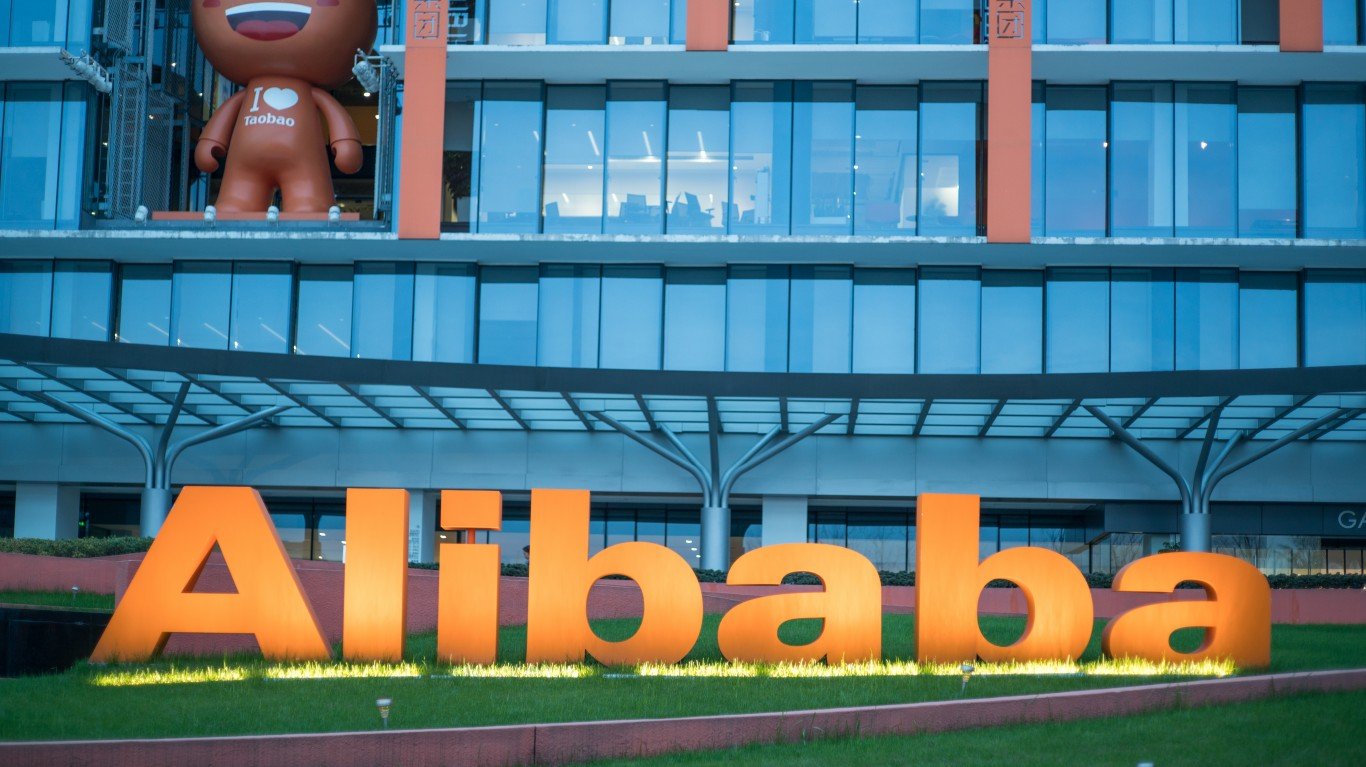
The new rules and the reported pause largely target mainland A-shares. FXI holds the 50 largest Chinese stocks traded in Hong Kong, led by Alibaba, Tencent and China Construction Bank. KWEB holds internet companies listed outside the mainland.
KWEB’s price already reflects heavy losses. Its 52-week range runs from $22.54 to $40.10, and its one-year total return is -38.18%.
What the Policy Floor Means for KWEB Holders
On this news, the case for KWEB looks weak. The bull case has real parts: open-state support, subsidized buybacks, possibly fewer new shares, and a price near its yearly low.
The bear case is stronger, though. Support faded within one session, factory activity is contracting, and the IPO pause remains unconfirmed. KWEB also holds offshore listings that the rules do not directly cover.
For investors researching this policy, the Xtrackers Harvest CSI 300 China A-Shares ETF (NYSEARCA:ASHR) offers more direct exposure because it tracks the CSI 300, the market Beijing is supporting. It closed at $30.25, just above its 52-week low of $29.93.
One test readers can check is simple: a KWEB close below $22.54 would mean the floor has failed for offshore internet stocks. A published regulatory rule making the listing pause formal would be the first sign that Beijing is committing to more than cheap loans.
Contact [email protected] for any questions or corrections.
Omor Ibne Ehsan is a writer at 24/7 Wall St. He is a self-taught investor with a focus on growth, cyclical, and dividend equities that have strong fundamentals, value, and long-term potential. He also has an interest in high-risk, high-reward investments such as penny stocks.