Fannie Mae Jumped 9% and Freddie Mac 7% on Election Day as Ackman Pushes for an Exit
Bill Ackman went on live television to demand freedom for Fannie Mae and Freddie Mac while holding over 200 million shares of the two companies, and the conflict at the center of that argument may matter more than the rally…

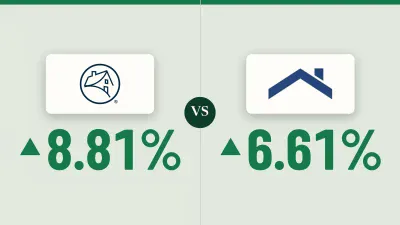
Fannie Mae closed at $5.56 on November 3, 2026, up 8.81%. Freddie Mac rose 6.61% to $5.00, marking the fourth straight gain for both.
Both trade over the counter under FNMA and FMCC. That means trading is thin and quotes can lag, which matters if you place an order.
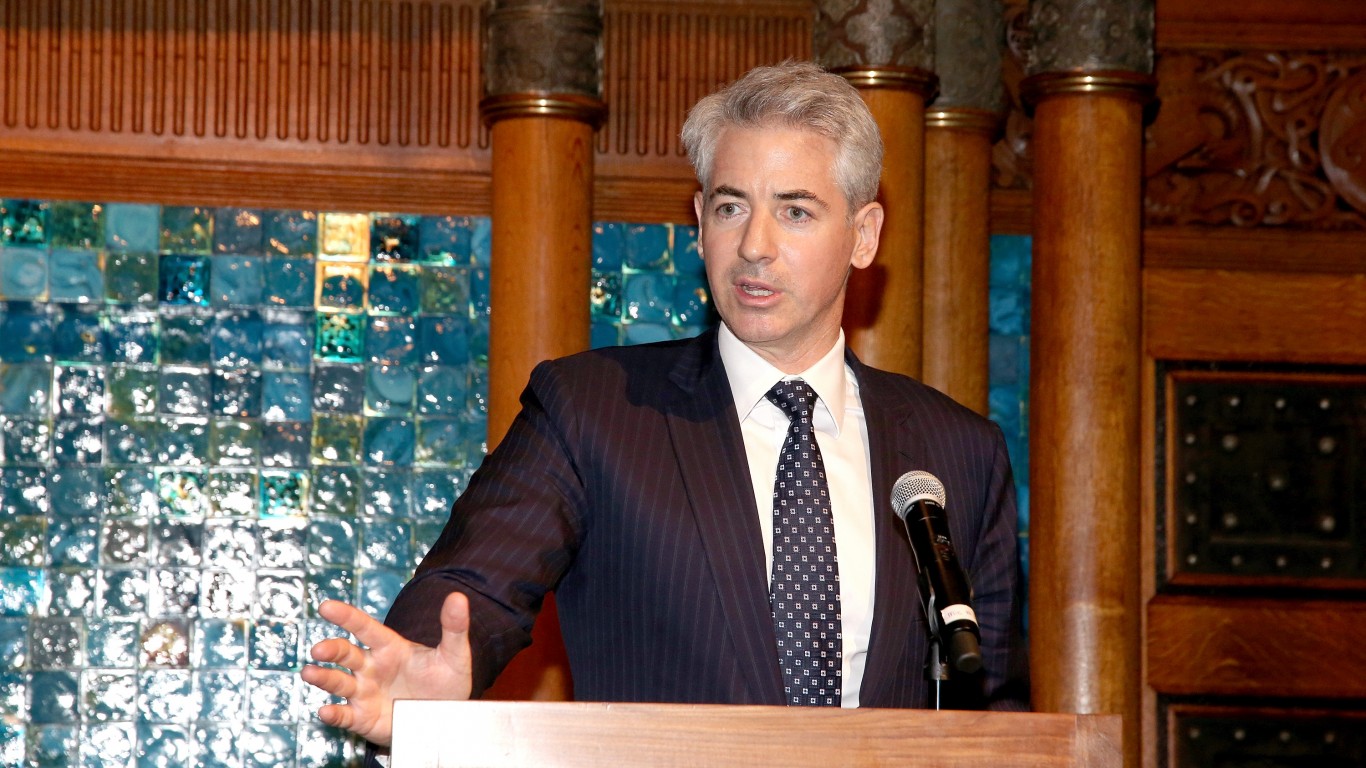
On the same day, Bill Ackman, CEO of Pershing Square (NYSE:PS), argued on live television that the two companies should leave government conservatorship. Conservatorship is the federal control they have been under since September 2008.
The rally came on Election Day, but no source links the move to any vote result. The problem for shareholders is that the biggest advocate for an exit also stands to gain the most from one, and the exit still depends on decisions nobody has made.
Ackman Blames the Delay on the Midterms
“The reason why it’s not being touched right now is, you know, midterms,” Ackman said. He called the two “massive, enormously profitable institutions” and added, “In conservatorship, the president can do anything.”
Pershing’s shareholder letter dated November 2 says a release “can be accomplished by the President using his executive authority without any involvement of Congress.” It calls the stakes options that could rise more than 10-fold. The number reflects a holder’s view, and the letter itself warns of “greater risk of a permanent loss of capital.”
Ackman also said Pershing owns more than 200 million shares of the two companies combined. The quote comes from a machine transcript of the earnings call.
A 76% Run Still Leaves Both Stocks Far Below Their Highs
Fannie is up 76.5% from its $3.15 close on October 14. Freddie is up 71.2% from $2.92. Most of that came over the last four sessions, which added 34% and 37%.
Even so, Fannie stands about 55% below its 52-week high of $12.39, and Freddie is about 58% below $11.80. The letter’s table shows each stock down 61% in 2026 through September 30. The letter faults officials who “have remained silent and have taken no public steps.”
The letter puts the shares at about 1.5 times earnings. It credits the companies with more than $200 billion of shareholder equity and $40 billion a year in guarantee fees.
Exit Hurdles Ackman Plays Down
Before any exit, the Treasury would need a plan for its roughly $388 billion ownership interest. A recapitalization could also mean issuing new common stock, diluting current holders. Reporting says “Congress may also need to play a role,” while Ackman says it does not.
Treasury Secretary Scott Bessent has put the timing at “next year, the year after.” He also set a condition: the spread on agency mortgages over Treasuries “does not increase.”
Because of that limit, any release would likely be slow and gradual, since moving fast could push mortgage rates up. Even the letter admits that “our 13-year holding period has been a long time to wait.”
How Pershing Square Stock Ties Into the Fannie and Freddie Trade
PS closed at $46.66, which gives it a market value of $18.63 billion. Over the past year, it has traded between $22.01 and $60.40, and it is up 93.53% since its first day of trading.
Pershing’s funds own the Fannie and Freddie shares, and PS takes in fees from those funds. In the third quarter, those fees included $47.19 million in Pershing Square Holdings management fees, but no performance fees. Revenue of $56.60 million came in below the $75.47 million estimate, missing expectations.
PS offers a different kind of exposure than the OTC shares. It trades on an exchange; it is spread across Ackman’s other positions, and it still benefits if the funds’ Fannie and Freddie stake gains value, without the thin trading and dilution risk of owning the GSEs directly.
Watch whether the Treasury releases an exit plan or signs an executive order, and whether Fannie stays above its $4.15 close from October 28. A drop back below that level would mean the rally has reversed.
Contact [email protected] for any questions or corrections.
Omor Ibne Ehsan is a writer at 24/7 Wall St. He is a self-taught investor with a focus on growth, cyclical, and dividend equities that have strong fundamentals, value, and long-term potential. He also has an interest in high-risk, high-reward investments such as penny stocks.