Billionaire Bill Ackman Sees Potential $500 Billion Windfall — Even After These Investments Plunged 61%
Freddie Mac earned billions last quarter, yet common shareholders saw almost none of it. Bill Ackman says that gap hides a historic payoff, and the answer depends on a decision Washington has not scheduled.

This post may contain links from our sponsors and affiliates, and Flywheel Publishing may receive compensation for actions taken through them.
One Number: $500 Billion
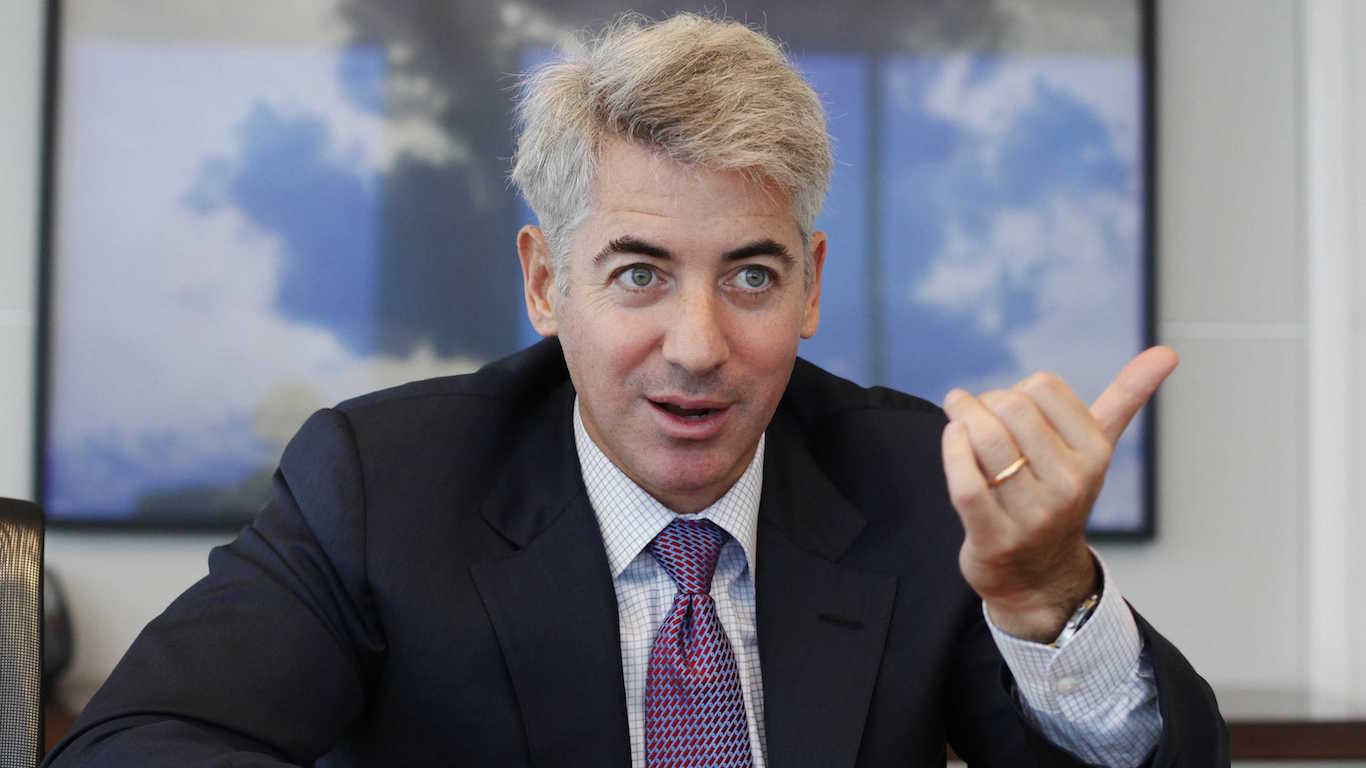
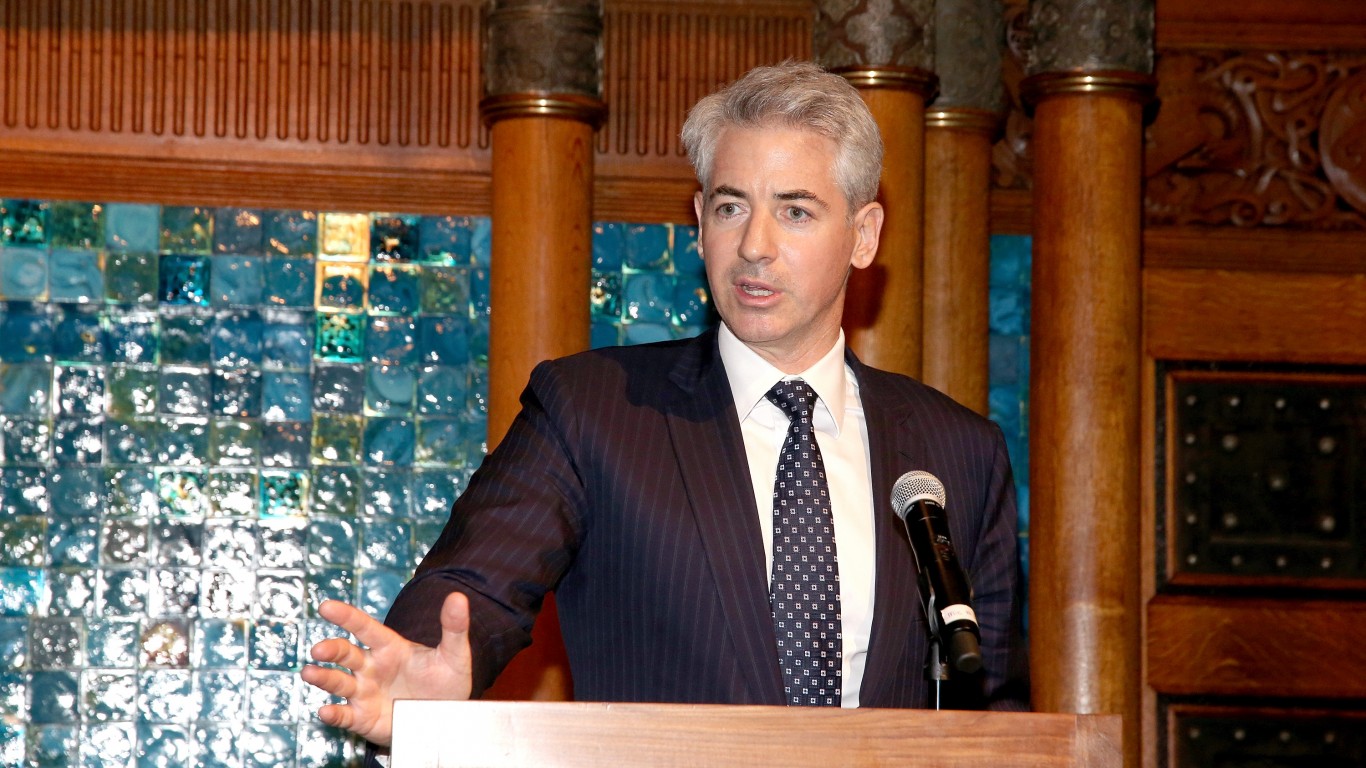
Bill Ackman believes releasing Fannie Mae (OTC:FNMA) and Freddie Mac (OTC:FMCC) from government control could unlock $500 billion in value. He gave the estimate at Pershing Square’s November 3 investor Q&A and called the opportunity “the greatest real estate transaction of all time.” The $500 billion is his own projection, separate from any reported result or company forecast, and it comes from an investor whose firm owns about 10% of each company and has held the position for about 13 years.
The pitch comes as Pershing Square’s November 2 portfolio report lists the two stocks among the firm’s largest drags on performance. Together they cut its year-to-date gross investment performance by about 8.4 percentage points, and the fund’s net asset value fell 9.6% through September.
What It Means for Fannie and Freddie
The $500 billion is the total value Ackman expects a release to create. He estimates taxpayers would get 80% of it, or about $400 billion. That taxpayer figure comes from his estimate and has no independent valuation behind it. The government also holds warrants that let it buy 79.9% of the companies’ common equity. How those warrants and Treasury’s senior preferred stock are treated in any deal will decide what existing shareholders actually receive.
The latest quarterly reports show that the businesses themselves are making money. Fannie Mae made $4.18 billion in third-quarter 2026 net income, up 8% from a year ago, on a guarantee book of $4.1 trillion. Its net worth grew to $119.64 billion, up 13%. Freddie Mac’s net income rose 17% to $3.235 billion, and revenue climbed 19% to $6.81 billion. Through the first nine months, Freddie’s net income was up 34% from the same period a year earlier.
The conservatorship structure decides who holds those profits. Of Freddie’s third-quarter earnings, $3.206 billion was added to Treasury’s senior preferred liquidation preference. That left $29 million for common stockholders and earnings per share of $0.01. The liquidation preference reached $150.4 billion by September. Fannie still falls about $205 billion short of its total capital requirement. Credit is also weakening: Fannie’s provision for credit losses rose to $1.14 billion from $485 million in the second quarter, and its single-family serious delinquency rate rose to 0.62%.
Shares Rebound After a Brutal 2026 Slide
From January 2 to September 30, 2026, Fannie Mae shares fell 61.73%, from $11 to $4.21. Freddie Mac fell 62.22% over the same period. Both stocks have rebounded since the earnings reports and Ackman’s latest push. In the week ending November 4, Fannie rose 15.66% to $4.80, and Freddie gained 19.88% to $4.36. CNBC reported the two stocks rallying as Ackman pressed for a conservatorship exit. Both remain well down for the year, at -55.27% and -56.97% respectively.
Why Bulls See Hidden Earnings Power
The bull case is that the companies holds made more while their share prices have fallen. Earnings are growing at both, and capital is building. Freddie’s net worth rose 20% to $81 billion, and its adjusted total regulatory capital turned positive at $4 billion. That positive capital reading is the kind of progress any exit plan will need. Fannie improved its administrative expense ratio to 10.25% from 10.72%, and Freddie’s non-interest expense fell 6%.
Ackman’s November 2 letter says the two companies together generate about $40 billion a year in guarantee fees. He projects their capital could top $375 billion within five years. Those are his estimates. Still, the reported trend in net worth at both companies points the same way. If policymakers settle the warrant and senior preferred questions, the earnings now going to Treasury could start flowing to common shareholders.
What Investors Need to Track Next
The $500 billion figure is Ackman’s estimate of what release from conservatorship could be worth. The quarterly reports confirm the earnings power behind it, and the 2026 share-price declines show how much of the result hangs on Washington. For long-term holders, the key fact is the gap between reported profits and what common stockholders actually received. Freddie earned billions in the third quarter, and common stockholders saw $29 million of it. No timeline for a policy decision has been disclosed, so the next thing to follow is whether officials respond to Ackman’s latest push. The profits are already there. What Washington decides about who gets them will set the value of the shares.
Contact [email protected] for any questions or corrections.
After two decades of patrolling the dark corners of suburbia as a police officer, Rich Duprey hung up his badge and gun to begin writing full time about stocks and investing. For the past 20 years, he’s been cruising the markets looking for companies to lock up as long-term holdings in a portfolio while writing extensively on the broad sectors of consumer goods, technology, and industrials. Because his experience isn’t from the typical financial analyst track, Rich is able to break down complex topics into understandable and useful action points for the average investor. His writings have appeared on The Motley Fool, InvestorPlace, Yahoo! Finance, Money Morning, and, of course, 24/7 Wall St. He has been featured in both U.S. and international publications, including MarketWatch, Financial Times, Forbes, Fast Company, and USA Today.