Physical Oil Just Went From a Bidding War to a Fire Sale
Refiners who were fighting over every available barrel a month ago are now turning down offers and leaving Nigerian cargoes unsold, yet futures keep pricing in a war that the physical market seems to be moving past.


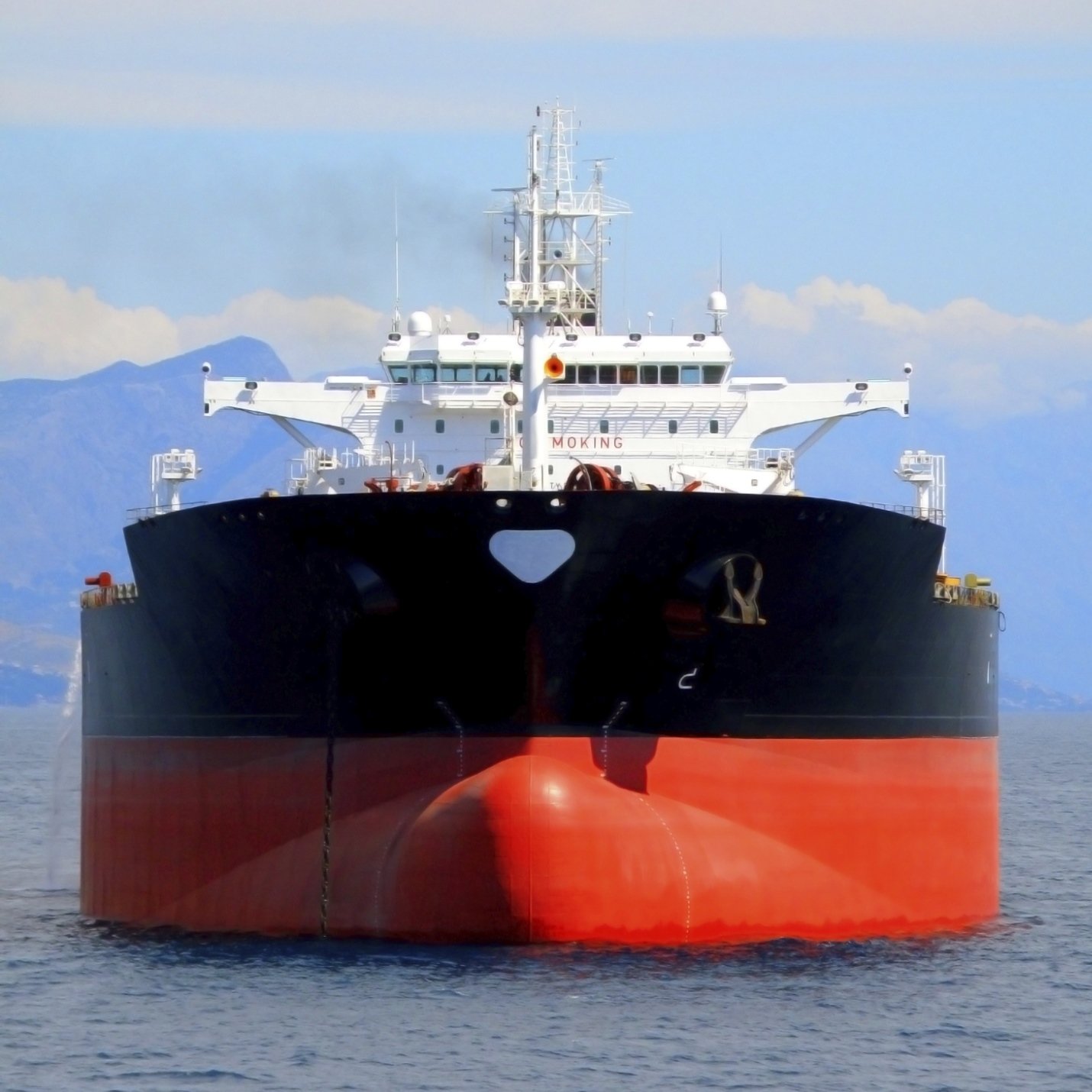
One cargo of the Republic of Congo’s Djeno crude reportedly sold at $25 under Dated Brent. A month earlier, refiners were paying up for any barrel that could load soon.
Dated Brent is the price of physical North Sea cargoes loading in the next few weeks. ICE Brent futures are contracts for later delivery. In early October, Dated traded $30 a barrel above futures, and by November 3, 2026, that premium had shrunk to roughly $3.70 a barrel.
The weakness sits in the discounted grades and the spreads. Dated Brent itself was still above $108 a barrel on November 2, so the outright price of physical oil remains high.
Futures still carry a war premium, and United States Oil Fund (NYSEARCA:USO) holds those futures. USO rose 0.82% to $158.15 on November 3, even as WTI settled lower. Exxon Mobil (NYSE:XOM | XOM Price Prediction) fell 1.23% to $177.46, and Chevron (NYSE:CVX) slid 1.10%.
What the Physical Market Is Saying
A key North Sea grade offered at more than $20 above Dated a few weeks earlier reportedly fell to a $1.40 discount on November 2. Kazakhstan’s CPC Blend hit its largest discount in 14 years, and 10 to 15 Nigerian cargoes for November loading were still unsold as of October 30.
On October 30, North Sea sellers cut offers to between Dated plus $1.45 and Dated plus $5.75, including Trafigura’s Forties at Dated plus $2.15, and reportedly found no buyers. Goldman Sachs (NYSE:GS) trader Peter Hackworth put it this way: “Needless to say this does NOT suggest a tight market.”
Why Gulf Barrels Are Flooding Back
Saudi Arabia, the UAE, Iraq and Kuwait raised combined October exports 10% to more than 15 million barrels a day, and Aramco says it will maximize production this quarter.
Dubai slid into contango, meaning nearby barrels cost less than later ones, with November about $2 a barrel below December for the first time since July. Freight also matters, because shipping costs running about four times pre-war levels were called the main driver of weak West African differentials in early October.
Why Futures Have Not Followed
January Brent settled at $103.60 on November 3, down 1.1%, after a 7.63% drop on November 2. December WTI settled at $96.09, its weakest close since October 14.
Goldman Sachs raised its December Brent forecast to $105 from $90. But it estimates a war-risk premium of about $27 a barrel that “now explains most of October’s crude price rally,” and its base case sees prices falling below the forwards if that premium fades.
Risks That Could Revive the Rally
Although the war continues, Trump said, “We’re locked and loaded if we need to go, but there may be no reason for it,” while a senior Iranian official said the two sides remain far from a deal.
On the evening of November 3, an unknown tanker was hit by two projectiles 14 nautical miles northeast of Limah, Oman. Hormuz flows ran 11.7 million barrels a day in October, down from about 14.5 million barrels a day before the war, and Aramco CEO Amin Nasser said, “So, no, it is not at pre-conflict level yet.”
What Could Pressure USO Next
USO trades far closer to its 52-week high of $171.82 than its low of $65.99, and its price rests on a futures war premium that the cash market is already discounting.
USO also carries roll risk. If WTI follows Dubai into contango, the fund loses value each time it swaps expiring contracts for pricier ones.
Exxon offers different exposure because its refining and chemicals businesses can benefit when crude costs ease. Its third-quarter adjusted EPS of $4.23 beat the $3.981 consensus, largely on refining strength.
The bearish case for USO weakens if it closes above $171.82 while the Dated premium widens back toward its early-October level.
Contact [email protected] for any questions or corrections.
Omor Ibne Ehsan is a writer at 24/7 Wall St. He is a self-taught investor with a focus on growth, cyclical, and dividend equities that have strong fundamentals, value, and long-term potential. He also has an interest in high-risk, high-reward investments such as penny stocks.