Trump’s Treasury Extended Argentine Leader Milei A $20 Billion Lifeline Last Year. Now Economists Warn Of Recession As Think Tank Says About 32,300 Argentine Businesses Have Closed On His Watch
Washington got repaid and called it a win, but inside Argentina, sock makers are slashing workforces and thousands of family businesses have shuttered. The question now is who actually paid the price for getting inflation under control.


In October 2025, Argentina’s central bank and the U.S. Treasury signed a $20 billion currency swap line, according to Bloomberg. The line was part of a rescue package that Treasury Secretary Scott Bessent put together ahead of Argentina’s midterm vote. It was a standby credit line. Argentina could draw on it when needed and had to pay back whatever it took.
Argentina drew only $2.5 billion and fully repaid it in January 2026, according to Bloomberg. It used financing from an unnamed multilateral lender, which a central bank official said was a lender other than the International Monetary Fund. Bessent wrote on X: “Our nation has been fully repaid while making tens of millions in USD profit for the American taxpayer.” Bloomberg noted that officials in both countries have provided little information about the swap line or its conditions.
Economists Expect a Second Straight Quarter of Contraction
Washington’s loan is settled. Inside Argentina, the picture is harder. Economists told Reuters that activity likely shrank in the third quarter for a second straight quarter, with official data due later in November. Reuters reported that gross domestic product (GDP) fell 0.6% in the second quarter from the first. Ricardo Delgado, head of consultancy Analytica, forecasts a further decline of around 1.5% in the third quarter. “Argentina’s economy is technically in a moderate recession,” he said.
Household spending makes up about two-thirds of GDP, according to Reuters. Scentia says consumption fell 2.7% in the first nine months of 2026 compared with 2025. The statistics agency INDEC reported that in August, manufacturing fell 3.2% from a year earlier, retail and wholesale trade dropped 3.5% and construction slid 2.5%.
32,300 Closures and Family Firms Under Strain
Think tank Fundar counts some 32,300 business closings from December 2023, when Milei took office, through July 2026. Fundar says that is roughly 6% of all companies in Argentina.
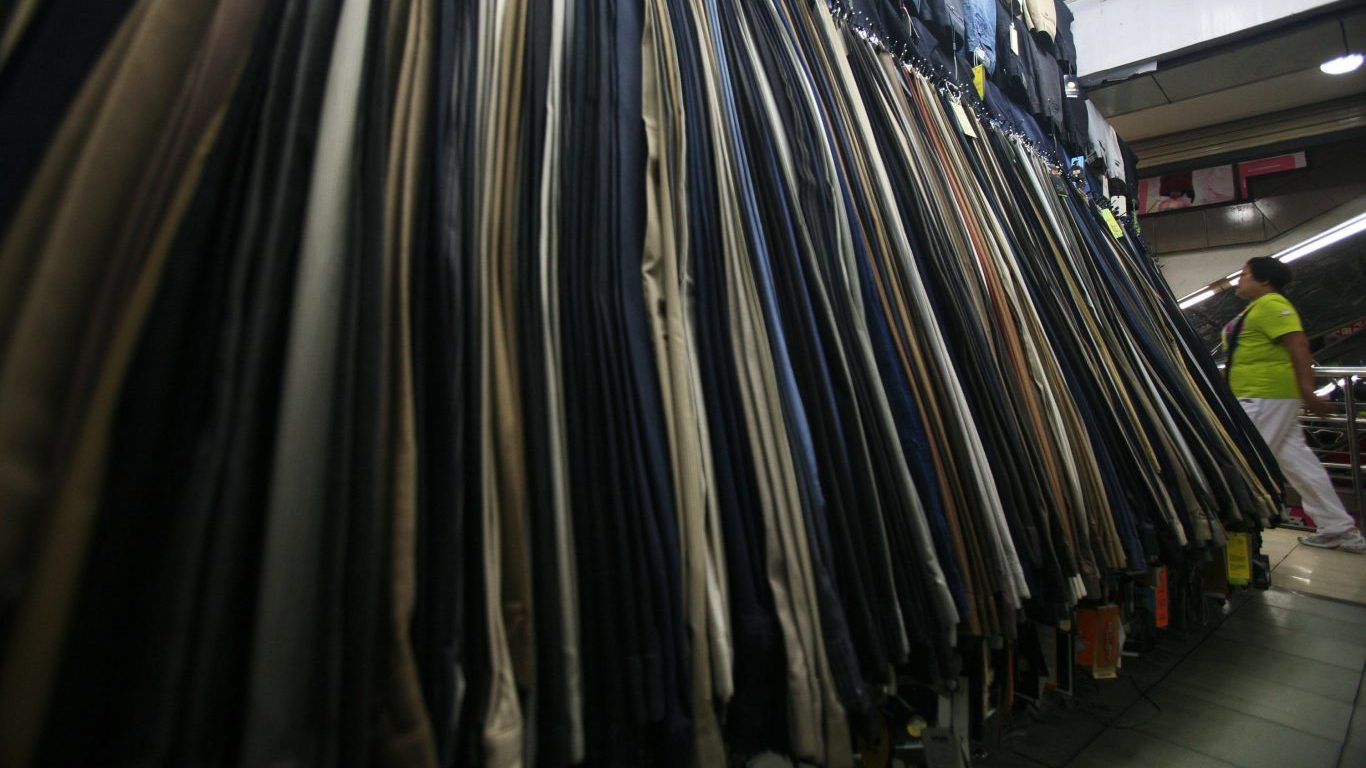
Like fabric distributor Dakuba, Eseka, a family-owned sock and underwear maker in Buenos Aires, has seen sales fall around 40% since Milei took office, Reuters reported. Its owners, Ricardo and Gustavo Kuchikian, told Reuters the company has cut about 30% of its workforce. “The situation is critical,” Ricardo said. “Consumption has fallen very sharply over the past three years.” He fears “national industry could disappear” if the policies continue. Martin Abigador, Dakuba’s director, estimates sales have fallen 40% since the end of 2023. He blames “aggressive competition” from imports, mainly from China.
Inflation Tamed and Exporters Winning
Austerity has delivered on its main promise. Reuters reports that inflation has slowed to 30% from 200%, and that other macroeconomic imbalances are under control. Energy, mining and agriculture have come out ahead, helped by exports and demand for shale oil and gas and lithium. Those gains have yet to make up for the domestic slump.
A government spokesperson said growth never happens equally across sectors: “This is the economic program the president believes in, and he is not going to change it.” Milei has called claims that people cannot make ends meet “colossal stupidity.”
What the Slump Means for Milei in 2027
Reuters reports that poverty has climbed back to nearly a third of the population after reaching an eight-year low in 2025. A Giacobbe y Asociados survey put Milei’s approval at 36% and his disapproval at 56% in October. The presidential election is in October 2027, and Delgado expects household finances to see little real improvement before then.
So far, the Milei model Washington supported has paid off unevenly. Inflation is down and U.S. taxpayers were repaid, while sock makers, fabric distributors and the households that buy from them carry the cost. The next thing to watch is INDEC’s official third-quarter GDP figure later this month. A drop near Delgado’s forecast would confirm what economists expect. A smaller one would help the government argue that exporters are starting to lift the rest of the economy.
Contact [email protected] for any questions or corrections.
AJ spent 10 years writing about financial markets at The Motley Fool. His coverage centers on technology stocks and the broader macroeconomic trends, from interest rates to geopolitics, that shape where markets are headed next. AJ is drawn to the stories where big-picture economics and individual companies collide.