He Paid $35 for a Bowl at a Connecticut Yard Sale and Sotheby’s Sold It for $721,800. Here Is the IRS’s Share of a Find Like That

This post may contain links from our sponsors and affiliates, and Flywheel Publishing may receive compensation for actions taken through them.

A yard sale in Connecticut turned a small purchase into a large auction result, and that kind of sale also lands on a tax return. Fox61 reported that the Chinese bowl was bought for $35 at the sale in 2020. NPR reported that the bowl, identified as a rare Chinese artifact, sold at auction for $721,800, and Futura described it as a 15th-century Ming bowl. Sotheby’s held the sale in March 2021.
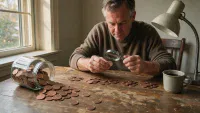
Now picture a retired reader who makes a similar find: a composite retiree living on Social Security plus some IRA withdrawals. For someone like that, a windfall of this size changes far more than one line of the return.
How the IRS Classifies a Find Like This
The legal definition of a collectible sits in the IRA rules. It covers “any work of art”[1] under 26 U.S.C. § 408(m)(2)(A) and “any rug or antique”[1] under § 408(m)(2)(B), as well as metals, gems, stamps, coins and alcoholic beverages. That definition is adopted by the capital-gains rules. Under 26 U.S.C. § 1(h)(5)(A), collectibles gain means gain from selling a collectible “as defined in section 408(m) without regard to paragraph (3) thereof”[2] that was held for more than 1 year.
Paragraph (3) carves out an exception that applies only to IRAs. Under § 408(m)(3), certain gold, silver and platinum coins described in 31 U.S.C. 5112, coins issued under the laws of any State, and bullion meeting contract-market fineness requirements “if such bullion is in the physical possession of a trustee”[1] are excluded from the definition. A retirement account can hold those assets without the purchase counting as a distribution. Sell the same coins outside an IRA, though, and § 1(h)(5) still counts the profit as collectibles gain.
Classification sets which tax system applies. Vehicles, farm equipment, firearms, fossils and real estate generally fall outside the § 408(m) list, so the collectibles rate doesn’t automatically apply to them just because they are antiques or command high prices.
Holding Period Sets the Rate
If the seller held the item “not more than 1 year”[3], the profit is short-term gain under 26 U.S.C. § 1222(1) and is taxed at ordinary income rates. For tax year 2026, the IRS brackets include 24% for incomes over $105,700 ($211,400 for married couples filing jointly), 32% over $201,775 ($403,550 joint), 35% over $256,225 ($512,450 joint) and 37% over $640,600 ($768,700 joint).
Hold the item for more than 1 year and the profit becomes long-term gain under § 1222(3). For a collectible, that gain counts as “28-percent rate gain”[2] under § 1(h)(4)(A)(i). Section 1(h)(1)(F) taxes that piece at 28%[2], and because § 1(h)(1) caps the total tax, a seller in a lower ordinary bracket pays the lower rate. Stock gains, by comparison, fall into the 15%[2] and 20% tiers.
Commissions Shrink the Taxable Number
Under 26 U.S.C. § 1001(a), gain is “the excess of the amount realized therefrom over the adjusted basis”. Auction-house commissions and fees reduce the amount realized, according to the editorial guidance for this piece. That makes the hammer price only the starting point. The taxable gain generally depends on the item’s tax basis and eligible selling expenses[4]. Keep the yard-sale receipt (or other proof of what you paid), the consignment agreement and the auction settlement statement.
Ripple Effects Across a Retiree’s Return
Social Security. Under § 86(b)(1), benefits become taxable once modified adjusted gross income plus one-half of benefits passes the base amount: $25,000[5], or $32,000 in the case of a joint return. Above the adjusted base amount of $34,000 ($44,000[5] joint), § 86(a)(2) can bring up to 85% of the social security benefits into income. A big collectibles gain can push a retiree past both limits in one year.
Medicare. Since 2007, a beneficiary’s Part B monthly premium has been based on his or her income[4], and a sale shows up in IRMAA surcharges two years later. The 2027 tiers announced by CMS include:
| Income (single; joint) | Total Monthly Part B Premium | Part D Adjustment |
|---|---|---|
| Up to $112,000; up to $224,000[4] | $209.40[4] | $0[4] |
| Over $212,000 up to $500,000; over $424,000 up to $750,000[4] | $670[4] | $88.30[4] |
| Over $500,000; over $750,000[4] | $711.80[4] | $96.40[4] |
Collectibles Often Surface at Death
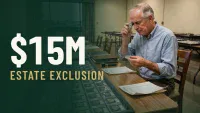
Plenty of valuable objects pass through estates rather than auctions. In IRS estate-tax returns filed in 2024, 1,296[6] returns reported art worth a combined $2,718,935,000. Estates of people who die during 2026 have a basic exclusion amount of $15,000,000, so most heirs who find a treasure will deal with income-tax and Medicare questions rather than estate tax.
What to Check Before Consigning
Confirm the item fits § 408(m), write down the purchase date and keep proof of basis. Ask the auction house for its full schedule of fees. Then model the sale against the bracket limits, the § 86 base amounts and the IRMAA tiers that will apply two years out. Waiting past the one-year mark, or choosing which tax year the sale falls in, can change what you actually keep from a find like this (it is one of nine IRS rules that quietly drain retirement accounts, all charted in our free tax trap map).
Contact [email protected] for any questions or corrections.
Jake has been been working in financial media for almost 15 years. He focuses on all things personal finance for 24/7 Wall St. with high hopes to educate and entertain. Most recently, Jake spent 12 years working various roles at The Motley Fool. He started copy editing fool.com content, worked on premium and marketing campaigns, and helped launch The Ascent, a personal finance brand.
His work has been featured on platforms like MSN, Yahoo Finance, USA Today, and more. He's written about credit cards, social security, ETFs, savings accounts, and just about anything else you can imagine when thinking about money. Jake love to cook, play golf, and tell people he's never had a cavity. (It's true!)