In 1975, Sol Price Was Pushed Out of FedMart, the Discount Chain He Founded. The Warehouse Store He Opened Next Became Part of Costco
A lawyer-turned-retailer got fired from the discount chain he built over two decades, and the warehouse he opened next with a handful of friends and a converted Hughes property became the blueprint for one of the most powerful retail businesses…

This post may contain links from our sponsors and affiliates, and Flywheel Publishing may receive compensation for actions taken through them.

On July 12, 1976, a 60-year-old lawyer turned retailer opened a warehouse in a former San Diego manufacturing building once owned by Howard Hughes. He and several friends had put up $2.5 million. Shoppers paid a $25 annual fee to buy in bulk in a no-frills warehouse. At first, only business owners with resale certificates or professional licenses could get in.
The man was Sol Price, and the new owners of the company he had founded had just fired him. The road from that firing to Costco Wholesale (NASDAQ:COST | COST Price Prediction) is one of the great second acts in American business. That first building still operates as Costco location number 401. This year marks 50 years since it opened.
How a $2 Membership Card Built FedMart
Price was practicing law in San Diego in 1954 when he founded FedMart, a discount store open to government employees for a membership fee of $2 a family. He launched it with $50,000 in capital. First-year sales reached $4.5 million, four times what Price and his investors had planned. Over two decades, FedMart grew to 45 stores, mostly in California and the Southwest, with more than $300 million in annual sales.
Rivals copied the idea. Sam Walton, who built Walmart (NYSE:WMT), wrote that he borrowed “as many ideas from Sol Price as from anybody else in the business.”
Selling Control Cost Price His Company
In 1975, Price sold two-thirds of FedMart to Hugo Mann, a German businessman. That was the critical mistake. Once he held a minority stake, the founder stayed on only as long as the new owner wanted him, and he was fired in 1976. FedMart was liquidated in 1982, and many of its stores became Target (NYSE:TGT) locations.
Price Club Turned Bulk Buying Into a Membership Business
After he left FedMart, Price saw that San Diego’s small businesses bought either from four or five big wholesalers or from small cash-and-carry outlets. Price Club was a much larger, volume-driven take on the second option. That volume let the company pay higher wages and better benefits than typical retailers. Membership later opened to employees of local businesses, nonprofits and governments. The company went public in 1980. In 1992 it made $134.1 million on $6.6 billion in revenue, and by the next year it had 94 warehouses across the U.S., Canada and Mexico.
In 1993, Price Club merged with rival Costco to form PriceCostco. The two companies already shared roots: Jim Sinegal, Costco’s longest-serving CEO, learned retail working his way up at FedMart and called Price his mentor. Within a year the combined company spun off Price Enterprises, which went on to build PriceSmart (NASDAQ:PSMT) in Latin America and the Caribbean. In 1997, PriceCostco became Costco Wholesale Corporation, and the remaining Price Clubs took the Costco name.
What a Fired 60-Year-Old Ended Up Building
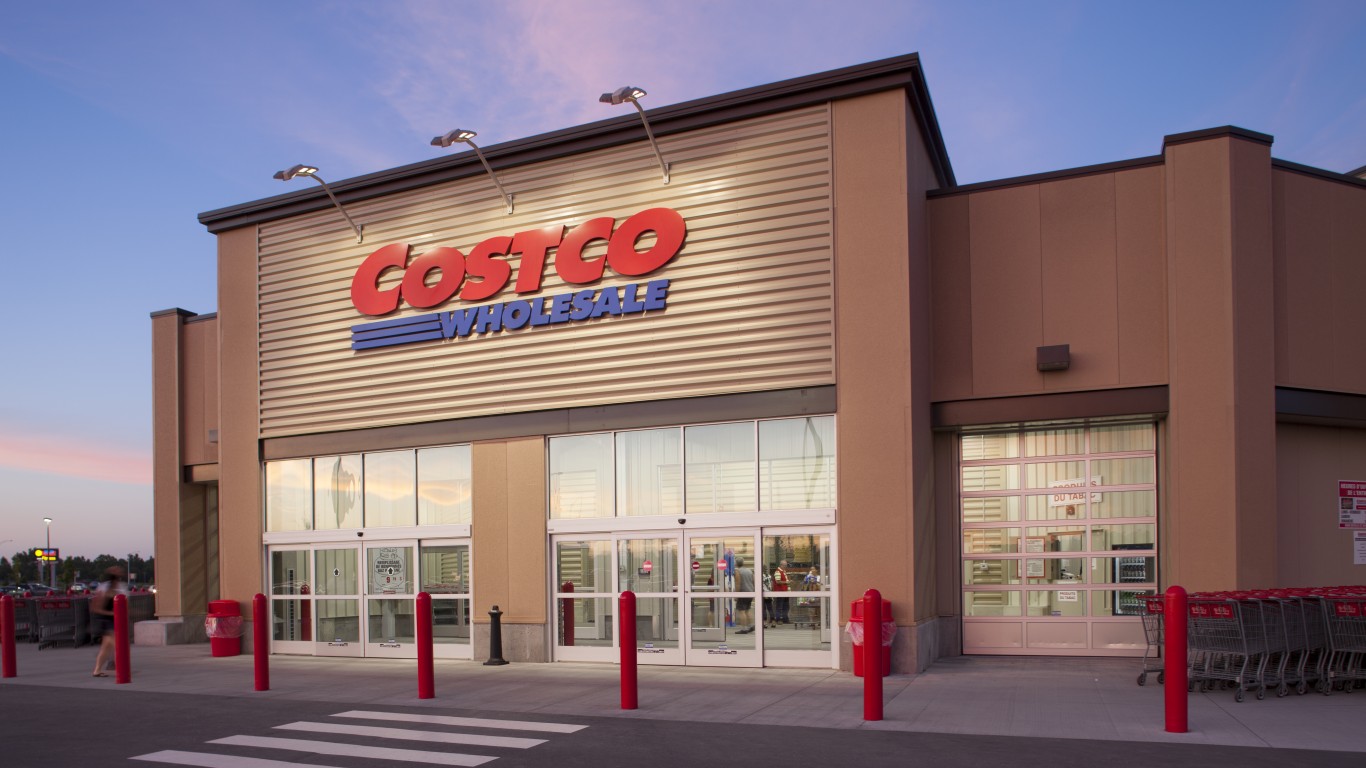
Costco now operates 939 warehouses across 14 countries and territories and has 150.4 million cardholders. Its renewal rate in the U.S. and Canada is 92.3%. Its market value tops $448 billion. The engine is the same one Price designed in that converted building: a paid card that members keep renewing.
Price lost FedMart because he gave up control, and he rebuilt because he kept what no buyer could take from him: decades of knowing what customers would pay for and how to strip cost out of selling it to them. A forced exit at 60 handed him the clean slate for his biggest chapter. Anyone pushed out late in a career carries the same kind of asset.
His idea is still growing. Costco plans about 28 net new warehouses in fiscal 2027, which would bring the total to roughly 967. How quickly those openings land in the coming quarterly reports will show how far a fired founder’s warehouse model still has to run.
Contact [email protected] for any questions or corrections.
Jake has been been working in financial media for almost 15 years. He focuses on all things personal finance for 24/7 Wall St. with high hopes to educate and entertain. Most recently, Jake spent 12 years working various roles at The Motley Fool. He started copy editing fool.com content, worked on premium and marketing campaigns, and helped launch The Ascent, a personal finance brand.
His work has been featured on platforms like MSN, Yahoo Finance, USA Today, and more. He's written about credit cards, social security, ETFs, savings accounts, and just about anything else you can imagine when thinking about money. Jake love to cook, play golf, and tell people he's never had a cavity. (It's true!)