In 2005, He Took Out An $800,000 SBA Loan To Buy A Closing Kraft Plant. Two Decades Later, Hamdi Ulukaya’s Yogurt Company Chobani Was Reportedly Worth $20 Billion
A piece of junk mail led a small feta maker to a shuttered factory with peeling paint and dripping water. What he did with that building, and a handful of former Kraft workers, set up one of the biggest private…

This post may contain links from our sponsors and affiliates, and Flywheel Publishing may receive compensation for actions taken through them.
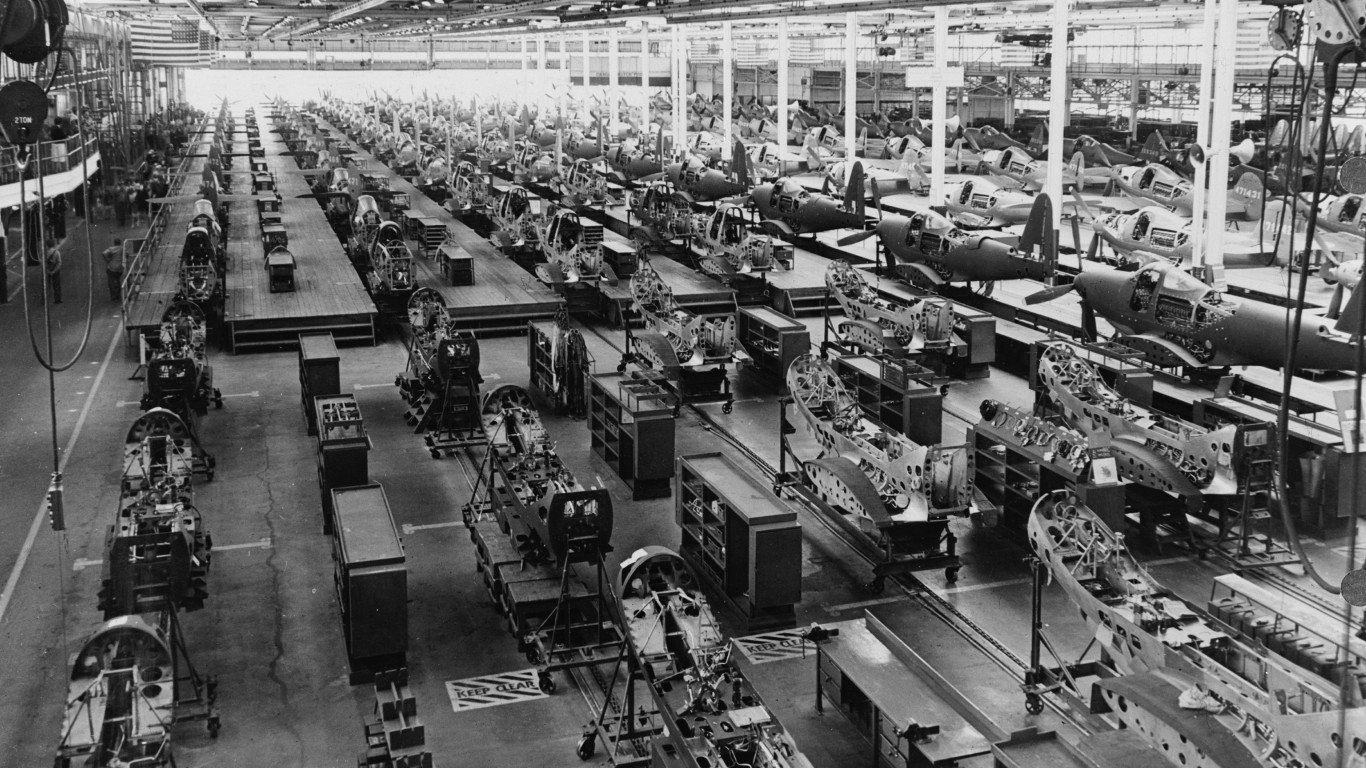
Private investors eventually put a very large number on Chobani, but the company began with a piece of mail in upstate New York. In 2005, Hamdi Ulukaya was in the fourth year of running Euphrates Inc., his feta cheese startup, according to Hoard’s Dairyman, when he noticed a mailed advertisement for the sale of a Kraft Foods plant. Hoard’s Dairyman reported that the facility had been rebuilt in 1920, still ran old yogurt equipment and had once employed 55 workers. After he toured the 80,000-square-foot building, Hoard’s Dairyman wrote, “he decided to buy the plant the very next day.”
Food Processing reported that the plant was in the process of shutting down, a food giant was letting go of an old factory, and a small cheesemaker with no yogurt brand bought it. Chobani grew out of that combination of a corporate exit and an outsider’s entry.
A Turkish Immigrant Running a Small Feta Business
According to Bloomberg Businessweek, Ulukaya moved to the U.S. from Turkey in 1994 at age 22. When the Kraft ad arrived, he was running a small feta operation, which gave him working dairy knowledge but nothing near the scale a full yogurt plant needed. He also had no recognized brand to fill the space.
An $800,000 SBA Loan for a Plant Kraft Was Letting Go
Bloomberg Businessweek reported that in 2005 Ulukaya used an $800,000 loan from the U.S. Small Business Administration to buy the plant from what was then Kraft Foods. Per Hoard’s Dairyman, the loan came from the SBA’s program for financing major fixed assets such as buildings and land, and the purchase closed in August 2005.
The SBA calls this its 504 loan program. It says the program provides “long-term, fixed rate financing for major fixed assets that promote business growth and job creation.” According to the SBA, the money can cover the purchase, construction or renovation of existing buildings or land. Working capital and inventory are excluded. In practice, the loan paid for the building, and the job of filling it with paying business was left to Ulukaya.
Restarting a Factory That Looked Like a Cemetery
On his first visit to the plant, “It was like a cemetery. The environment was sad. The paint was peeling, water was dripping,” he told Food Processing. To restart the lines, he hired five experienced Kraft employees, according to Hoard’s Dairyman, while Food Processing put the number at four. By either count, a handful of former Kraft workers made up the core crew.
Hoard’s Dairyman reported that the company, then called Agro Farma, started out making private-label yogurt for other companies. Its first Chobani shipment went out in October 2007 to a single Long Island grocery store. From there, the thick, strained Greek-style yogurt moved Chobani out of one store and onto supermarket shelves across the country.
From One Long Island Store to a NYT-Reported $20 Billion Valuation
Two decades after the plant purchase, the company operates at a very different scale. Food Dive reported that Chobani raised $650 million in October 2025, and The New York Times reported that the round valued the company at $20 billion. Chobani did not name the investors. Because Chobani is privately held, the NYT-reported $20 billion is a funding-round valuation. Private investors set that figure in a negotiated transaction, outside any public market or index.
Food Dive reported then that the money would help pay for projects including a $1.2 billion plant in Rome, New York, the company’s largest facility investment. According to the Bloomberg Billionaires Index, the round raised the wealth of Ulukaya, Chobani’s founder and majority owner, to more than $11 billion. The project recalls 2005, when the company put its capital into an upstate New York factory. I’m watching the Rome build as the next test of whether Chobani can repeat its upstate model at a much larger size.
An Employee Equity Promise and What the Loan Really Shows
In April 2016, Chobani promised its full-time employees shares worth up to 10% of the company, CBS News reported. Ulukaya described the move this way: “This isn’t a gift… It’s a mutual promise to work together.” The pledge gave the people on the factory floor a share of the value they had helped build.
Its lessons for small-business lending are narrow. The SBA loan was where one founder’s path started, and it paid for a building, which is the kind of asset the program was designed to finance. What came after depended on execution and timing. From the private-label contracts to the Greek yogurt boom, it required years of work that a loan program does not provide. Chobani is one notable example of a company that turned a modest asset into a lasting franchise.
Contact [email protected] for any questions or corrections.
AJ spent 10 years writing about financial markets at The Motley Fool. His coverage centers on technology stocks and the broader macroeconomic trends, from interest rates to geopolitics, that shape where markets are headed next. AJ is drawn to the stories where big-picture economics and individual companies collide.