Andrew Sheets Says Stocks Rose After 11 Straight Midterms. Will 2026 Make It 12?

This post may contain links from our sponsors and affiliates, and Flywheel Publishing may receive compensation for actions taken through them.
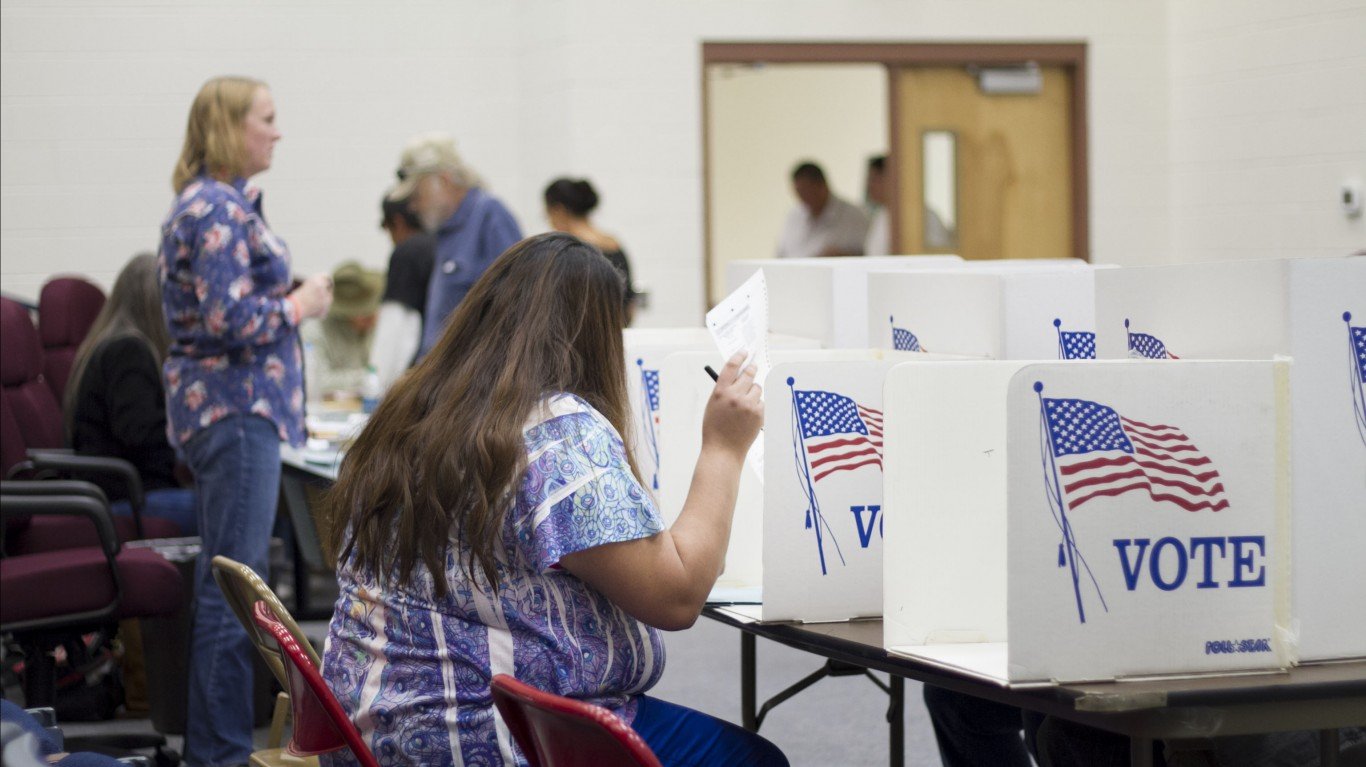
Democrats swept Congress in Tuesday’s midterms, and the outcome many investors feared most has so far left the bond market composed. Andrew Sheets, on the Thoughts on the Market podcast on November 6, said Democrats “won far more seats in both the House and the Senate than almost anyone expected” and that the so-called blue wave “was generally seen as the more market-negative outcome.” Markets did react that way in the first hours after polls closed. Since then, he notes, fixed income has grown more comfortable with the result, which he says “speaks to the fact that while elections matter a great deal to the country in question, they don’t always mean as much to markets.”
Why Sheets Sees Room to Add After the Blue Wave
His first argument is simple: markets hate uncertainty, and investors had cut exposure heading into the vote. In his words, “uncertainty is now lower. After all, we know the result,” and investors “should have some room to add if they want to.”
Treasury data backs up the calm. The U.S. Treasury’s daily par yield curve shows the 10-year yield fell from 4.95% on Election Day to 4.88% on November 9, and the 30-year slipped from 5.32% to 5.26%. The SPDR S&P 500 ETF Trust (NYSEARCA:SPY) rose 2.36% on Monday to $752.64.
Equity volatility climbed. The VIX rose from 16.61 on November 4 to 28.18 a day later before falling to 25.64, a reading in the 94.9th percentile of the past year. Sheets tied some of the pre-vote caution to “broader volatility from everything from technology to Brazil,” where Reuters reported a post-election market shock of its own.
Tariffs and AI Debt Could Pull Long-Term Yields Lower
Inflation has weighed on bonds all year, with Sheets mentioning both tariffs and energy prices. If markets read the vote as a verdict on unpopular tariffs or foreign policy, he said, investors “could assume that these policies are more likely to change down the road and that could help to push down long-term bond yields.” He also pointed to expectations that this month’s U.S. inflation report will show a notable step down.
AI is the other pressure point. Sheets said AI spending “has generated record amounts of bond issuance, pushing up both spreads and yields.” More state-level regulation and a slower expansion could ease supply concerns. CNBC reported last week that borrowing is getting costlier for CoreWeave (NASDAQ:CRWV), a sign of how heavily AI builders lean on debt markets.
Sheets’ 11 for 11: What Midterm History Shows
Sheets’ simplest reason to stay calm is history. Andrew Sheets said that after the last 11 midterm elections from 1982 to 2022, “the S&P 500 was higher one year later after all of them, regardless of the party that won.”
Sheets added a caveat: “it’s possible that going 11 for 11 is just a coincidence, and this is hardly a sophisticated analysis.” Sheets’ eleven data points make a small sample, and past patterns do not guarantee future returns. The market also enters this window with gains already in hand: SPY is up 10.38% year to date and 12.18% over 12 months, though it fell 3.32% over the past month.
Why Election Trades Can Cost Retirement Savers
For anyone saving for retirement, Sheets’ framing notes against big portfolio swings tied to who won. The first-hours reaction to the blue wave turned as uncertainty cleared, and anyone who sold on election night would have locked in that move. Beyond Sheets’ view, a 2025 survey found 11% of savers had cut 401(k) contributions because of economic conditions, a habit costlier than any single election.
Practical takeaways:
- Scheduled rebalancing. Calendar-based rebalancing keeps headlines from driving allocation decisions.
- Watch this month’s inflation report. A step down would support Sheets’ case for lower long-term yields.
- Note what bonds pay now. 2-year yields are 4.56% and 20-year yields are 5.29%, giving income-focused savers real choices along the curve.
- Track AI credit. Rising borrowing costs for AI builders could signal stress that matters more to portfolios than the midterm results.
- Expect volatility. With the VIX high, near-term swings fit Sheets’ long-term view.
Contact [email protected] for any questions or corrections.
Chris Lange is a financial and geopolitical writer with more than a decade of experience covering a myriad of topics. He has published thousands of articles for 24/7 Wall St., with past coverage focused heavily on stocks, IPOs, healthcare, defense, global affairs, and technology.
His work has been quoted, or referenced by a number of outlets including Business Insider, USA Today, Yahoo Finance, MSN, The Motley Fool, and many other publications. A graduate of Southwestern University, he studied business with a focus on investments and has previous experience in banking and startups.
When not reading or writing the news, he is following his passion for Lacrosse, playing chess, or building solar projects with his dad.