Skydance Sinks 9% as Warner Bros. Film Slump Overshadows Earnings Beat; Netflix Falls 2%, Disney Dips

This post may contain links from our sponsors and affiliates, and Flywheel Publishing may receive compensation for actions taken through them.

A clean earnings beat is taking a back seat to a weaker studio outlook at the newly combined home of Warner Bros. and Paramount. Skydance (NYSE:SKYD) stock is at $7.92 in morning trading, down 9%. The company, formerly Paramount Skydance, completed its acquisition of Warner Bros. Discovery on October 6, so Warner Bros. Discovery shares no longer trade separately.
Skydance stock is also down 40% year to date (YTD). Results for Q3 2026, released after the close on November 9, were the first for the merged company.
Warner Bros. Film Slump Clouds Skydance’s Earnings Beat
Adjusted earnings per share (EPS) at Skydance came in at $0.45, beating the $0.20 consensus estimate. Quarterly revenue at Skydance reached $7.03 billion, exceeding the $7.02 billion consensus and growing 4.8% year over year. On a GAAP basis, the company earned $0.06 per share after $89 million in restructuring costs, $98 million in transaction-related costs and a $275 million discrete tax reserve, partly offset by a $514 million net derivative gain.
Growth at Paramount+ was strong, with revenue up 21%, while Studios revenue rose 23% on secondary licensing. Skydance’s Warner Bros. film slate keeps underperforming. CFO Dennis Cinelli said that will create a $200 million drag to Q4 2026 adjusted earnings before interest, taxes, depreciation and amortization, covering films already released and those still due before the quarter ends.
Pressure also showed up in television, where Skydance’s TV Media revenue fell 7%, advertising dropped 8% and affiliate revenue declined 5% on pay-TV subscriber erosion. Debt is another likely factor, with Skydance carrying $87 billion in gross debt after the deal closed. Management is moving to annual guidance only, so full 2027 guidance won’t arrive until Q4 results, and it’s shifting emphasis from subscriber counts toward profitable streaming growth.
Skydance Chairman and CEO David Ellison repeated a target of at least $6 billion in run-rate synergies within three years and more than $10 billion in free cash flow by 2030. “Growing our business and paying down debt are our top priorities, and we strongly believe we can achieve both simultaneously,” Ellison said. A Paramount+ and HBO Max bundle is planned for early 2027, and Ellison named Jeremy Latcham, whom he called “one of the founding team members of Marvel Studios,” to the DC studio operation.
Netflix and Disney Slip Far Less Than Skydance
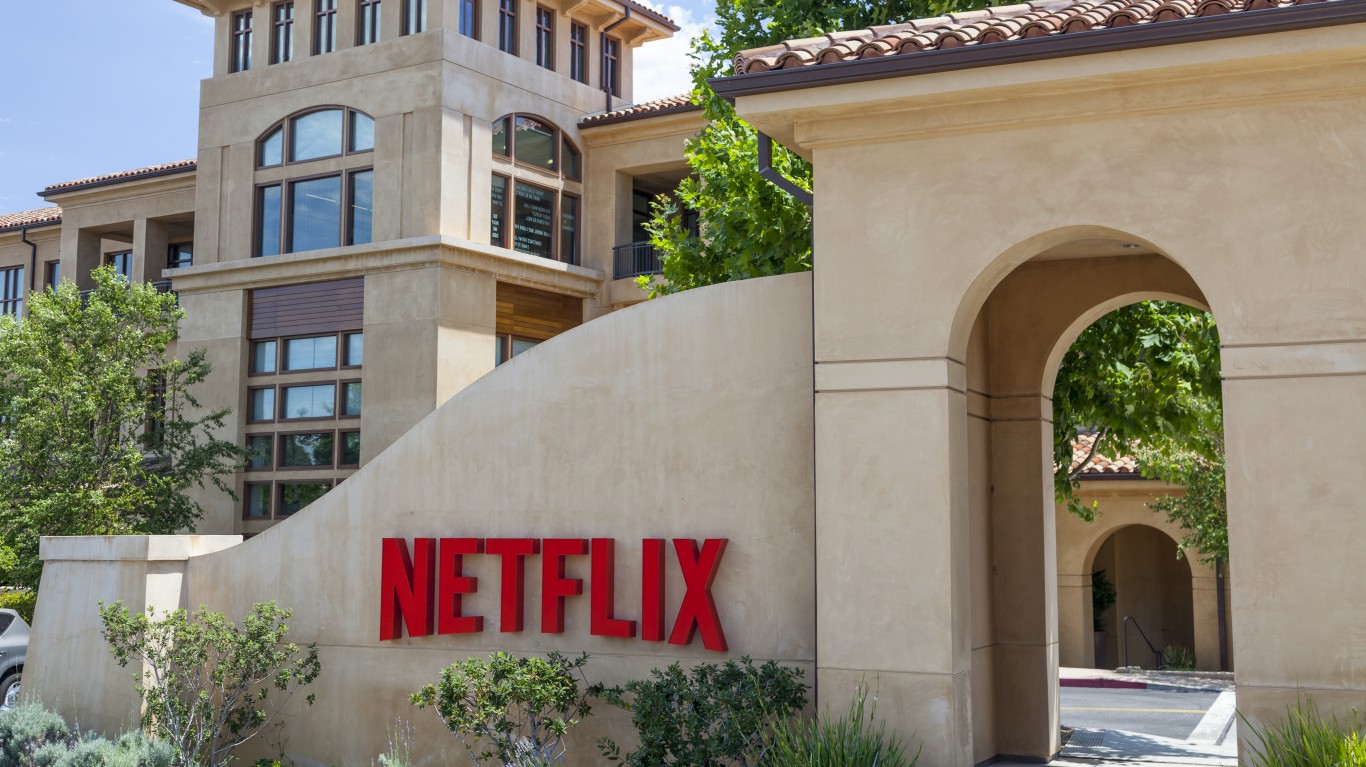
Netflix (NASDAQ:NFLX | NFLX Price Prediction) stock is at $62.90, down 2%. Meanwhile, Walt Disney (NYSE:DIS) stock is trading at $117.64, down 1%. Both moves are modest next to Skydance’s decline, which points to company-specific worries about its Warner Bros. film slate and balance sheet.
Over a longer stretch, Disney stock is up 4% YTD, while Netflix stock is down 33% YTD. That leaves Skydance with the deepest YTD decline of the three. Concerns about inflation and interest rates may also be weighing on the broader market.
How Skydance’s Business Model Differs From Netflix and Disney
Netflix runs a pure-play global streaming business funded by subscriptions, an ad-supported tier, licensing and live events such as NFL games, and the model keeps Netflix clear of the linear TV decline and box-office swings showing up in Skydance’s results.
Disney spreads its earnings across parks, cruises, consumer products, ESPN and a studio whose hits feed merchandise and streaming. Film still matters at Disney. The company expects live-action Moana’s box-office underperformance to weigh on its fiscal Q4 2026 Entertainment results, but its Experiences segment gives the company stability that streaming-focused rivals lack.
Skydance sits between the two, combining its studios and streaming services with a television arm that includes CBS, CNN, TNT and dozens of cable networks. This mix leaves Skydance more dependent on theatrical hits and on slowing the erosion of pay TV.
Skydance’s Integration Test Heads Into 2027
Skydance will soon see whether the Paramount+ and HBO Max bundle can lift engagement and retention after its launch. Watch for synergy progress and the full 2027 outlook with Q4 results, followed by an Investor Day planned for the first half of 2027.
The bull case rests on Skydance’s Paramount+ growth, 203 million combined subscribers across Paramount+, HBO and HBO Max, and a 2027 film slate that includes Man of Tomorrow and The Lord of the Rings: The Hunt for Gollum. A heavy debt load, shrinking TV revenue and a Warner Bros. film business that management admits has underperformed ground the bears’ case. For investors, caution may be warranted until the Warner Bros. film turnaround resolves.
Contact [email protected] for any questions or corrections.
David Moadel is financial writer specializing in stocks, ETFs, options, precious metals, and Bitcoin. David has written well over 1,000 articles for leading online publications, helping investors understand markets, income strategies, and risk. His work has appeared in 24/7 Wall St., The Motley Fool, InvestorPlace, U.S. News & World Report, TipRanks, ValueWalk, Benzinga, Market Realist, MarketScreener, TalkMarkets, Finmasters, and others. With a master’s degree in education, David has taught at the elementary, high school, and college levels. That teaching background shapes his writing style: clear, educational, and practical. David has also built a loyal social-media audience by providing trustworthy financial content on YouTube, X/Twitter, and StockTwits.