AI Data Centers Are Raising Factory Electric Bills. You Could End Up Paying for It Twice

This post may contain links from our sponsors and affiliates, and Flywheel Publishing may receive compensation for actions taken through them.

In Sugarcreek, Ohio, the 141-year-old Belden Brick Company watched its monthly capacity charge climb from $1,600 to $12,000. Its electricity costs surged 90% last year, largely because of data center demand, Reuters reported. Belden raised brick prices 4%, and profits still shrank.
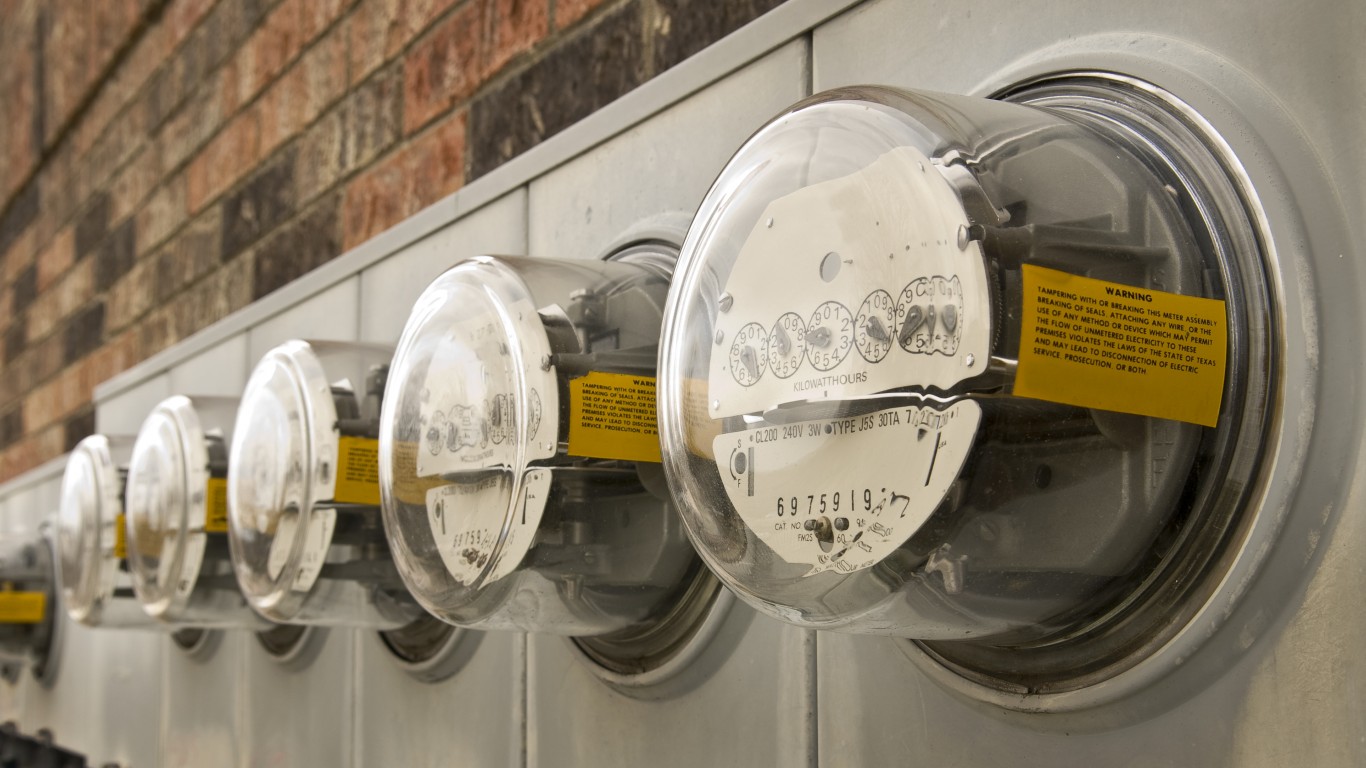
That brick goes into houses, schools and storefronts. Families feel the AI expansion through two channels: the monthly utility bill, and the price of goods made by factories paying the same higher power rates.
A Grid Market That Repriced in Two Years
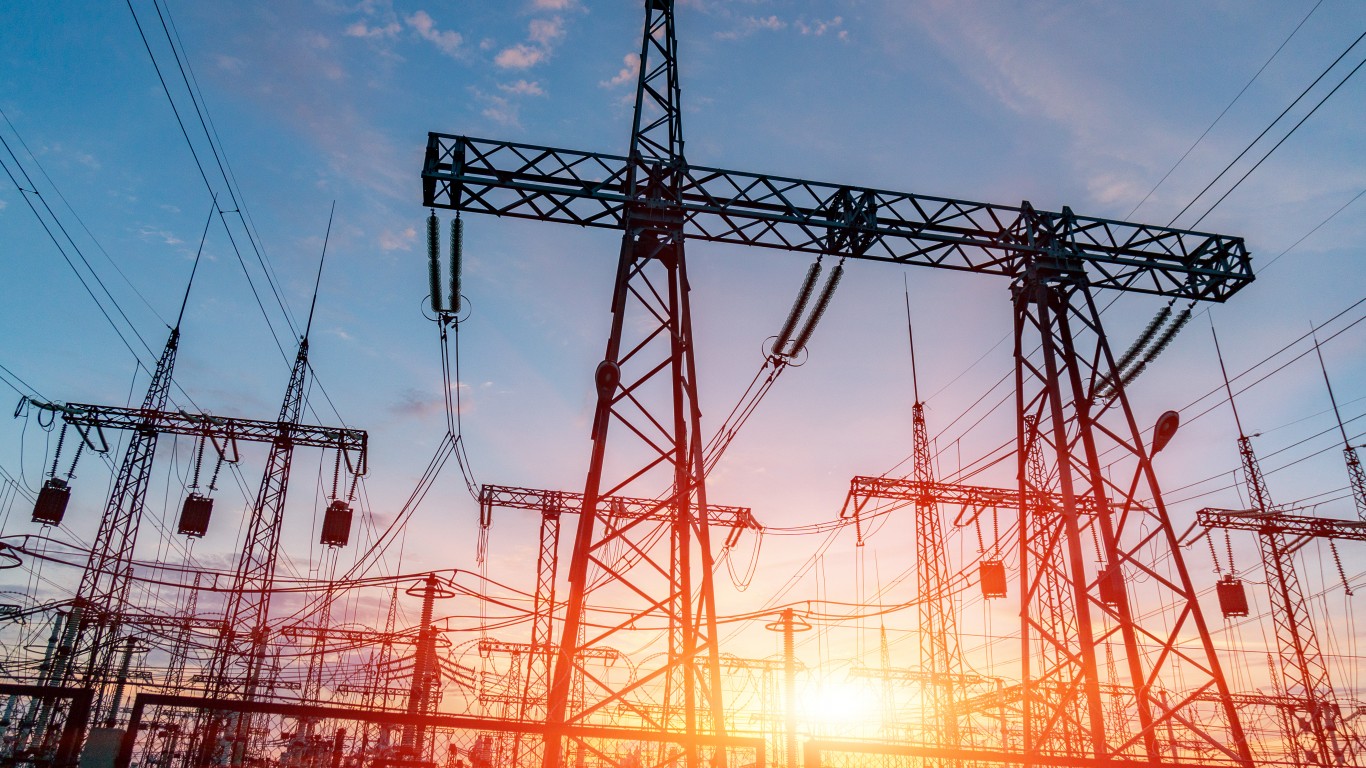
PJM Interconnection runs the mid-Atlantic and Midwestern grid with the nation’s highest concentration of data centers. Its capacity prices, which pay generators to be available at peak, rose from $28.92 per megawatt-day in 2024 to $329.17, a 1,038% jump. PJM’s independent market monitor concluded that “data center load growth is the primary reason” for the tight supply and high prices.
Factories absorb more of that shock than homes do. Capacity charges make up about 10% of residential bills but can run up to three times that share for manufacturers. As of December 2025, industrial electricity prices had risen 31% in Pennsylvania and 26% in Ohio, against 7% nationwide.
Why Manufacturers Are Squeezed From Both Sides Now
Demand keeps building. The EIA expects U.S. power use to beat record highs in 2026 and 2027 as AI use surges. Its May outlook projected industrial electricity consumption rising 1.0% in 2026 and 4.0% in 2027, with residential prices averaging 18.2 cents per kilowatthour this year, up nearly 5%. PJM forecasts peak summer demand climbing from 161,000MW to 241,000MW over 15 years. All of that load has to be generated, moved, and cooled by somebody, and we pulled together seven companies doing exactly that in a free report on the AI infrastructure buildout.
Regulators are struggling to protect households, and factories are collateral damage, as manufacturers sit in the same rate class as data centers and rules aimed at hyperscalers land on them too. The Federal Energy Regulatory Commission (FERC) has proposed transmission charges for onsite generation, which would penalize plants that build their own power. Cicio of the Industrial Energy Consumers of America told Reuters: “Manufacturers are not data centers. We should not be impacted by their effort to manage data centers.”
Steel alone supports more than 56,000 jobs and roughly $94 billion in annual activity inside PJM’s region, according to House Energy and Commerce testimony.
How the Second Bill Reaches Your Kitchen Table
Consumer prices rose about 3.7% in the year through September, based on the Consumer Price Index. Retail sales still hit $745.0 billion that month, a firm demand background. Shoppers are already stressed: University of Michigan sentiment sat at 48.1 in September. A Cornell study found the energy costs from AI data centers land hardest on lower income, rural households.
Belden’s warning applies generally. “There are going to be some companies that are on the razor’s edge.” Companies at that edge may raise prices, slow hiring or move.
What Decides Whether You Pay Once or Twice
The deciding factor is rate design. States are exploring standardized large-load tariffs to replace confidential data center contracts. If those tariffs put hyperscalers in their own class, the cost stays with the companies driving it, but if manufacturers stay lumped in, households pay at the meter and again at the checkout. Over the next two quarters, watch FERC’s final action on onsite-generation charges, PJM’s next capacity auction, and whether Pennsylvania and Ohio regulators separate data centers from factories.
Contact [email protected] for any questions or corrections.
After two decades of patrolling the dark corners of suburbia as a police officer, Rich Duprey hung up his badge and gun to begin writing full time about stocks and investing. For the past 20 years, he’s been cruising the markets looking for companies to lock up as long-term holdings in a portfolio while writing extensively on the broad sectors of consumer goods, technology, and industrials. Because his experience isn’t from the typical financial analyst track, Rich is able to break down complex topics into understandable and useful action points for the average investor. His writings have appeared on The Motley Fool, InvestorPlace, Yahoo! Finance, Money Morning, and, of course, 24/7 Wall St. He has been featured in both U.S. and international publications, including MarketWatch, Financial Times, Forbes, Fast Company, and USA Today.