Expert Warning: America’s Grid Is So Far Behind, Blackouts Are Coming Even Without AI
Dan Dreyfus, founder of Borneite Capital, warned on the All-In Podcast that America’s grid is in such poor shape that blackouts, when power is completely lost, and brownouts, when voltage is reduced, and electricity becomes less reliable, are coming from…


Dan Dreyfus, founder of Borneite Capital, warned on the All-In Podcast that America’s grid is in such poor shape that blackouts, when power is completely lost, and brownouts, when voltage is reduced, and electricity becomes less reliable, are coming from ordinary electrification alone. AI data centers are layering onto an existing problem.
A Grid Frozen in Time
Dreyfus explained the central reason why he believes we have this problem today: “We have not invested in upgrading and modernizing and hardening the electric grid since post-World War II. We just let it go.” A transmission and distribution network designed for mid-century load patterns is being asked to handle heat pumps, EV charging, electric appliances, and reshored manufacturing simultaneously.
His point is that the shortfall is already baked in before accounting for AI demand, and that electrifying existing buildings and increasing EV penetration will cause blackouts and brownouts on its own. American Electric Power (NASDAQ:AEP | AEP Price Prediction) recently expanded its five-year capital plan to $78 billion, with an additional $10 billion in potential projects primarily tied to contracted load growth. PJM Interconnection, the largest U.S. grid operator and a private company, has projected its peak summer demand growing from 161,000MW to 241,000MW over the next 15 years, a 50% increase.
The Real Bottleneck Is Craft Labor
One of Dreyfus’s most unexpected points was that the single biggest bottleneck to solving the energy crisis is craft labor, not money or materials. Linemen, electricians, and skilled tradespeople who physically build and maintain the grid are in short supply. He lamented the cultural trend, asking, “What did we tell all our kids to do in the last 10 or 15 years? Liberalist degrees in the Northeast.”
The labor backdrop supports the squeeze. Average hourly earnings across the private sector rose to $37.53 in May 2026, up from $36.28 a year earlier. Construction value added, the backbone of any grid buildout, has stalled at 0.0% growth in Q4 2025 after running closer to 1% earlier in the year, signaling tight capacity even as utility capex commitments balloon.
Where the Costs Are Really Rising
The AI Multiplier and the Limits of Routing Around the Grid
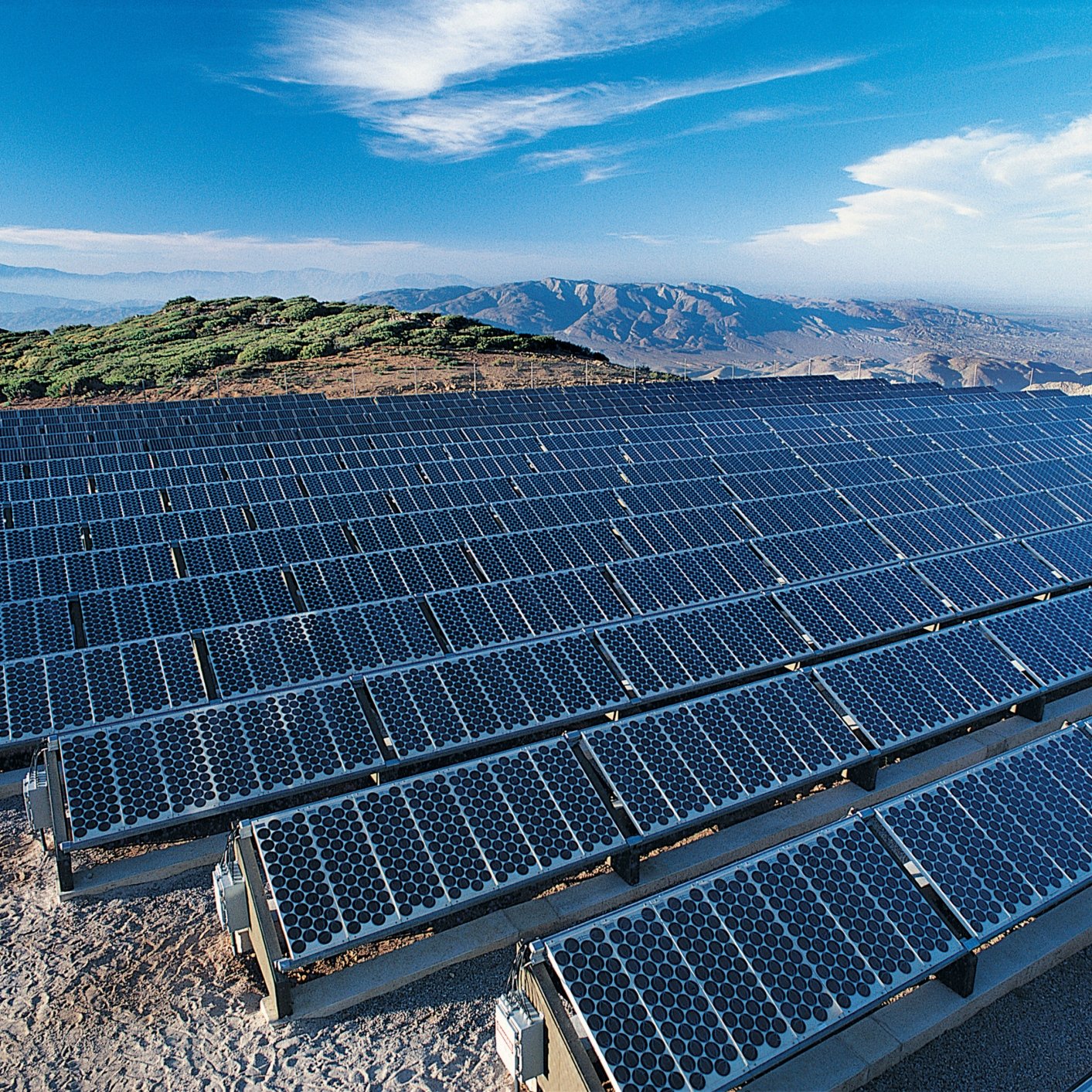
Layer AI on top of existing supply problems, and the math becomes even more vivid. Dreyfus argued that a 1-gigawatt AI data center powered entirely by solar would require 5 gigawatts of solar capacity, covering 35,000 acres, an area larger than San Francisco. That explains why hyperscaler demand keeps returning to firm grid power. According to the Lawrence Berkeley National Laboratory, data centers are projected to account for between 6.7-12% of total annual U.S. electricity consumption by 2028.
Can households route around the issue? Dreyfus noted that half of the live audience had already installed solar and Powerwalls, but he pushed back, arguing industrial users will always need the grid at scale. Factories and data centers cannot run on rooftop systems. The workaround economy is forming at the edges: General Motors (NYSE:GM) is entering sodium-ion grid-scale battery storage via a partnership with Peak Energy, and mobile charging firms are pitching DC fast charging without needing permanent grid upgrades.
Key Investor Takeaways
Dreyfus believes copper prices will “easily double” from current levels, tying the grid thesis to a materials thesis. For investors, the binding constraints sit in transmission, distribution, and skilled labor, with copper as the connective tissue. These are long-cycle, policy-dependent trends. The clearest signal from BEA industry data and utility capex announcements is that grid modernization is shaping up as a multi-decade necessity, with the bottlenecks Dreyfus names likely to dictate where pressure and pricing power end up.
Contact [email protected] for any questions or corrections.
Thomas Richmond is a financial writer and content strategist with 5+ years of experience covering stocks and financial markets. He has published over 500 articles focused on individual stock analysis, helping investors better understand business fundamentals, stock valuations, and long-term opportunities.
Thomas previously served as a Content Lead at TIKR, a stock research platform, where he helped scale the company’s blog to hundreds of articles per month and contributed to a weekly newsletter reaching more than 100,000 investors.
Outside of work, Thomas enjoys weight lifting and soccer.