Nvidia’s New CEO Colette Kress Seems Tougher on OpenAI Than Huang Was

This post may contain links from our sponsors and affiliates, and Flywheel Publishing may receive compensation for actions taken through them.

The chipmaker’s stock hit a 52-week low of $148.80 on November 12, 2026, the same day the company put its finance chief in charge.
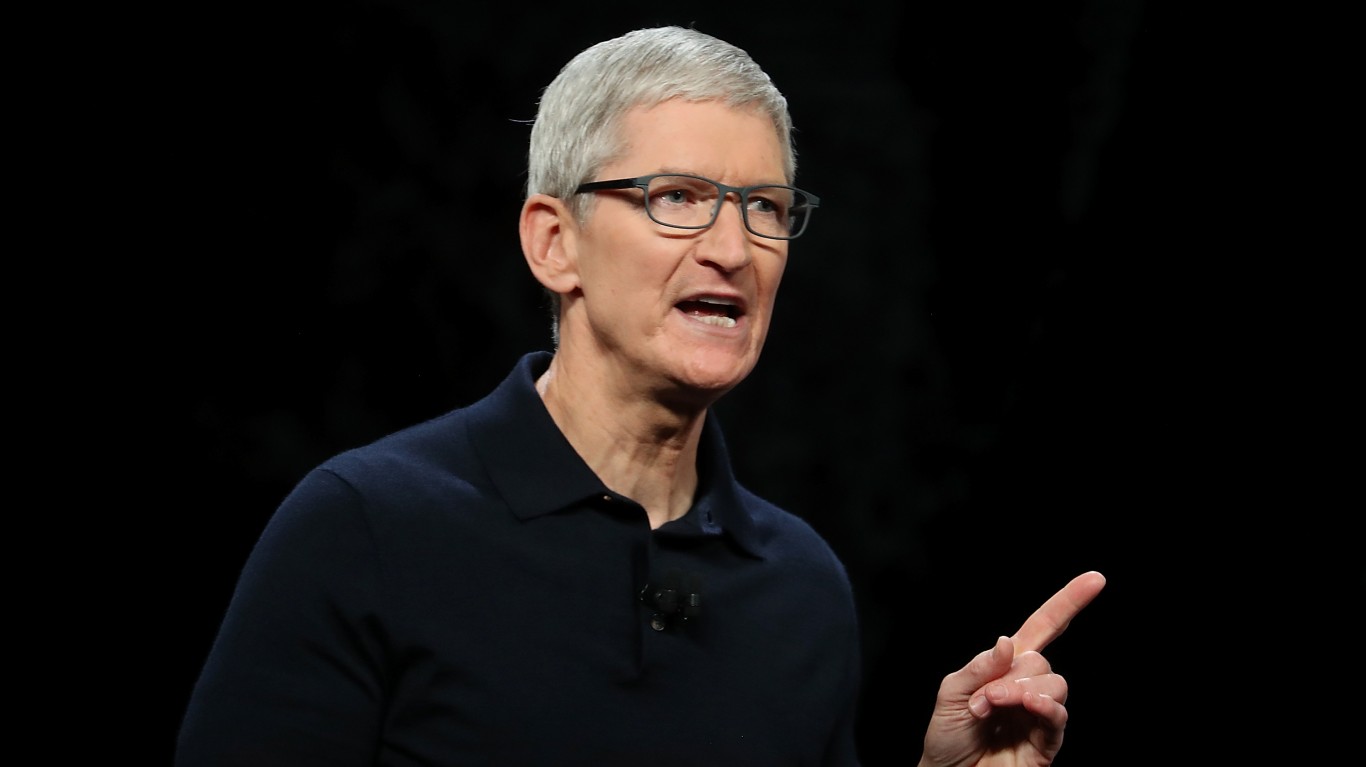
NVIDIA (NASDAQ:NVDA | NVDA Price Prediction) named CFO Colette Kress, 59, interim CEO after Jensen Huang resigned effective immediately. The change appears in its 8-K and its CEO transition release. She keeps the CFO title until the board names a permanent replacement, and it is searching inside and outside the company.

Huang resigned amid reports that he was the target of a suspected Chinese intelligence effort, which China denies. Shares closed at $166.19, down $7.54 or 4.34%, which left Nvidia’s market value at about $4.01 trillion. The stock traded at $167.82 at 7:59 p.m. ET in after-hours trading.
The headline claim that Kress is tougher on OpenAI rests on anonymous sources who describe her as a pragmatist who opposed Huang’s largest financing commitments.
Signed Facts Versus Anonymous Reporting
The leadership change is announced. The reported opposition covers her time as CFO and took place mostly inside the company, and Nvidia did not comment.
The Information reported that she opposed a proposed $250 billion credit backstop that would have let OpenAI fill 8 gigawatts of data-center space with Nvidia chips. The Information also reported that Nvidia later split the arrangement and has guaranteed about $100 billion so far.
Reuters, citing two people familiar with the matter, reported that a $250 billion plan for an OpenAI project in Ohio was cut to $120 billion. The Information also reported that figure. CNBC framed the dispute around a $105 billion backstop. Each outlet gives a different figure, so treat them as separate accounts, never added together, and no report says she has canceled or changed an OpenAI deal as interim CEO.
How Much Rides on Lab Financing
A backstop is Nvidia’s promise to cover a customer’s obligation if that customer can’t pay. It lets the buyer order chips sooner, but it moves credit risk onto Nvidia’s books.
The last quarterly filing showed $36 billion of off-balance-sheet backstops for neoclouds and $20 billion tied to data-center leases.
On the August call, Kress said OpenAI’s commitments totaled to roughly 12 gigawatts of Nvidia compute through 2030. She also said labs backed by Nvidia’s balance sheet would make up about a quarter of the business over the following year. A stricter posture affects a real share of revenue.
Why Tighter Terms May Already Be Priced
Adil Malik of Origin Partners said Nvidia’s backstop standards had already tightened over roughly the past three months, before Kress took the top job.
The competitive risk is that customers have pressed Nvidia to enlarge its backstop, which covers up to 25% of a deal through residual value support. Broadcom (NASDAQ:AVGO) has offered to cover a larger share.
Separately, the August memos with Apollo Global Management (NYSE:APO), BlackRock (NYSE:BLK) and four other firms to raise more than $500 billion remain preliminary. People familiar with the matter said they have produced no deals in months, and the earliest a deal could be announced is January 2027.

What Kress’s First Earnings Report Must Answer
The data cuts both ways. Shares fell 27.28% over the past month. Over the same stretch, the latest quarter showed revenue of $96.221 billion, up 105.85%, and guidance of $108.0 billion for the current quarter.
At a trailing P/E of 33, a more careful backstop policy would trade some growth for revenue that depends less on Nvidia’s own credit. That would lower Nvidia’s credit exposure. Broadcom carries more of that exposure because it wins business by taking on the risk Kress reportedly opposed.

Kress faces her first earnings report as interim CEO on November 17, with the call at 2 p.m. PT. Listen for updated backstop totals, any comment on OpenAI, and whether guidance holds. Closing below $148.80 after that report would set a new 52-week low.
Contact [email protected] for any questions or corrections.
Omor Ibne Ehsan is a writer at 24/7 Wall St. He is a self-taught investor with a focus on growth, cyclical, and dividend equities that have strong fundamentals, value, and long-term potential. He also has an interest in high-risk, high-reward investments such as penny stocks.