Jenny Harrington Says Jensen Huang ‘Incinerated Over $1 Trillion.’ Why She Thinks Nvidia’s Recovery Will Take Longer

This post may contain links from our sponsors and affiliates, and Flywheel Publishing may receive compensation for actions taken through them.
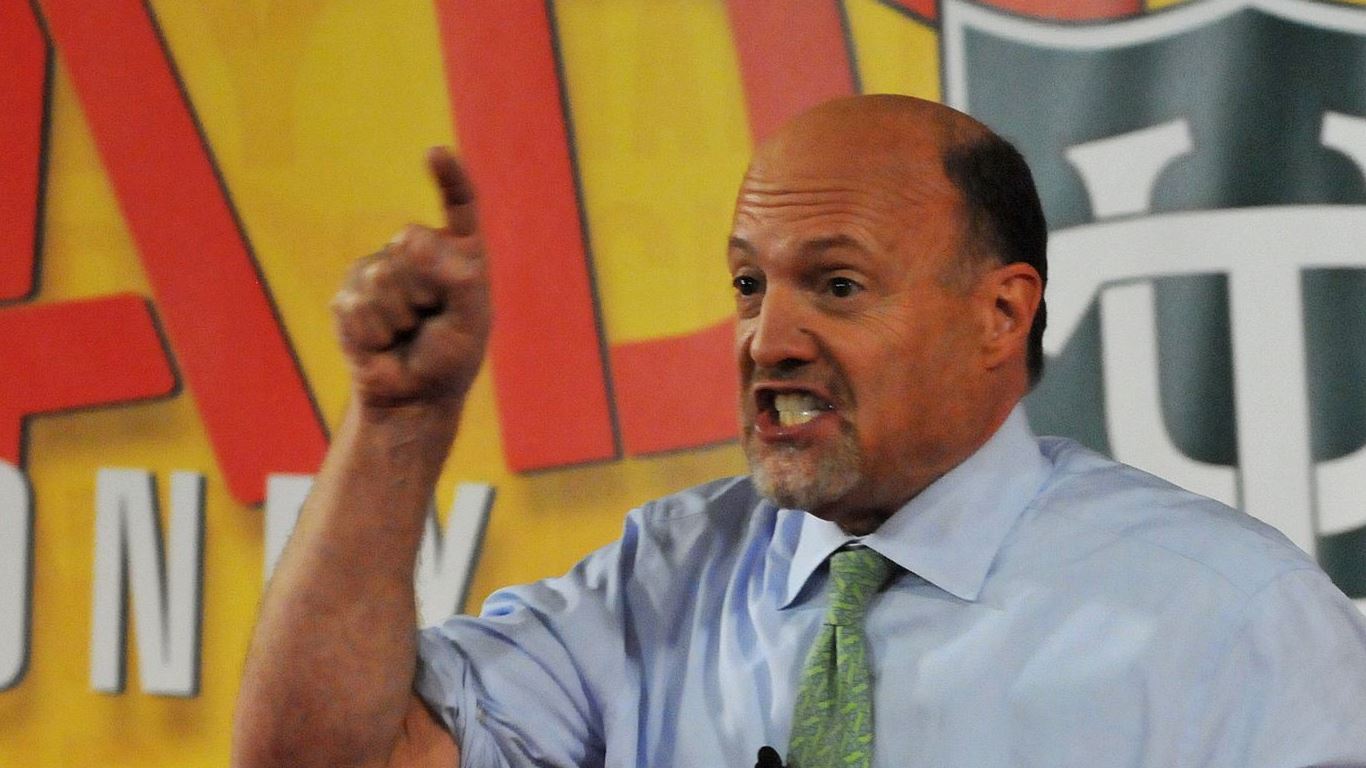
NVIDIA (NASDAQ:NVDA | NVDA Price Prediction) fell another 3.98% on Monday to $156.37. Jenny Harrington appeared on CNBC’s Halftime Report. The investment committee member said Nvidia’s recovery will take longer than the stock’s bulls expect: “Jensen made a horrible professional decision. He incinerated over $1 trillion, and he incinerated all of his credibility.” The $1 trillion figure is her own estimate of the market value Nvidia has lost.
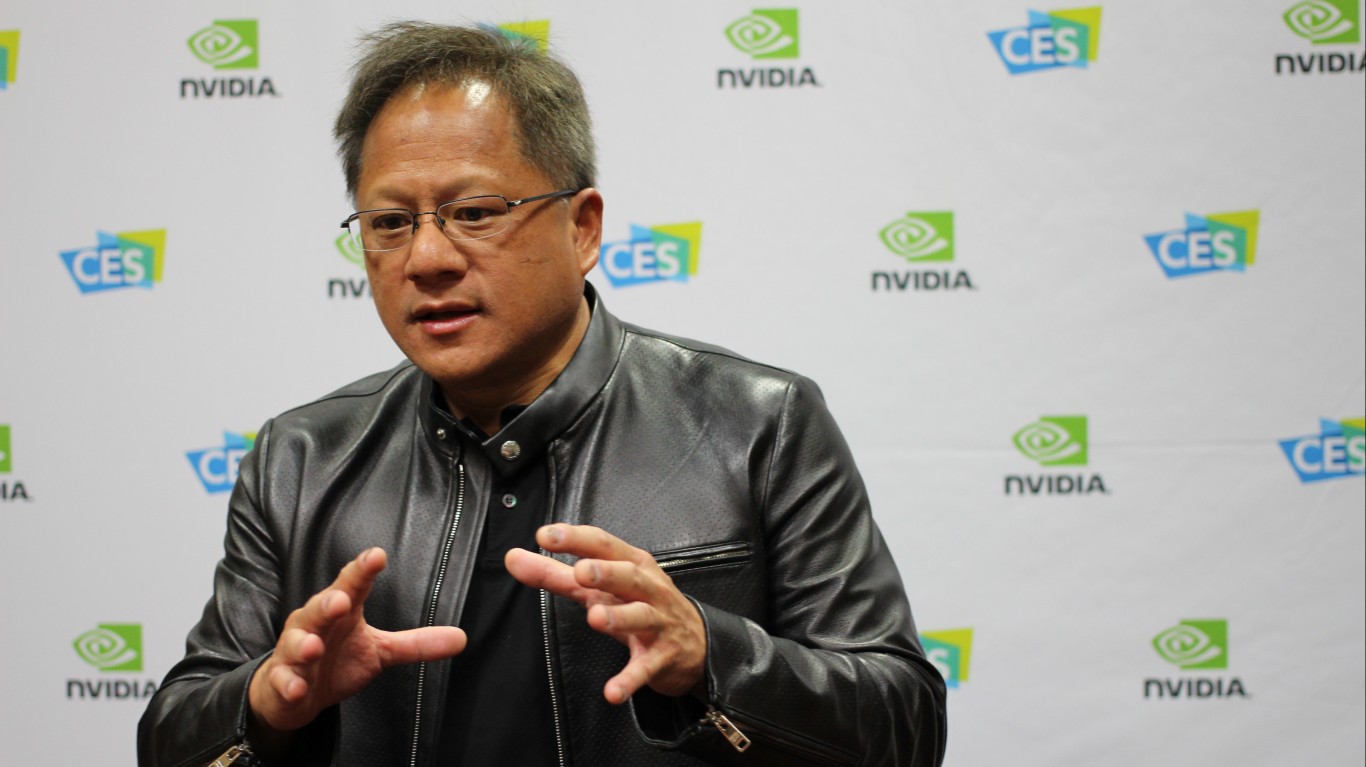
The scandal began when Jensen Huang admitted to an affair with an alleged Chinese spy, which led to an independent investigation. Huang has since resigned as CEO. During Monday’s show, CNBC reported that the board is not considering bringing Jensen Huang back as CEO.
Nvidia Has Lost 29% in a Month Ahead of Earnings
Over the past week, the stock is down 16.22% from $186.64. Over the past month, it has dropped 29.34% from $221.30, and it is down 15.96% for the year. Nvidia still carries a market cap of about $3.78 trillion and trades at a P/E of 33. Holders from five years ago are still up 416.8%.

Lebenthal Says the Worst Case Is Already Priced In
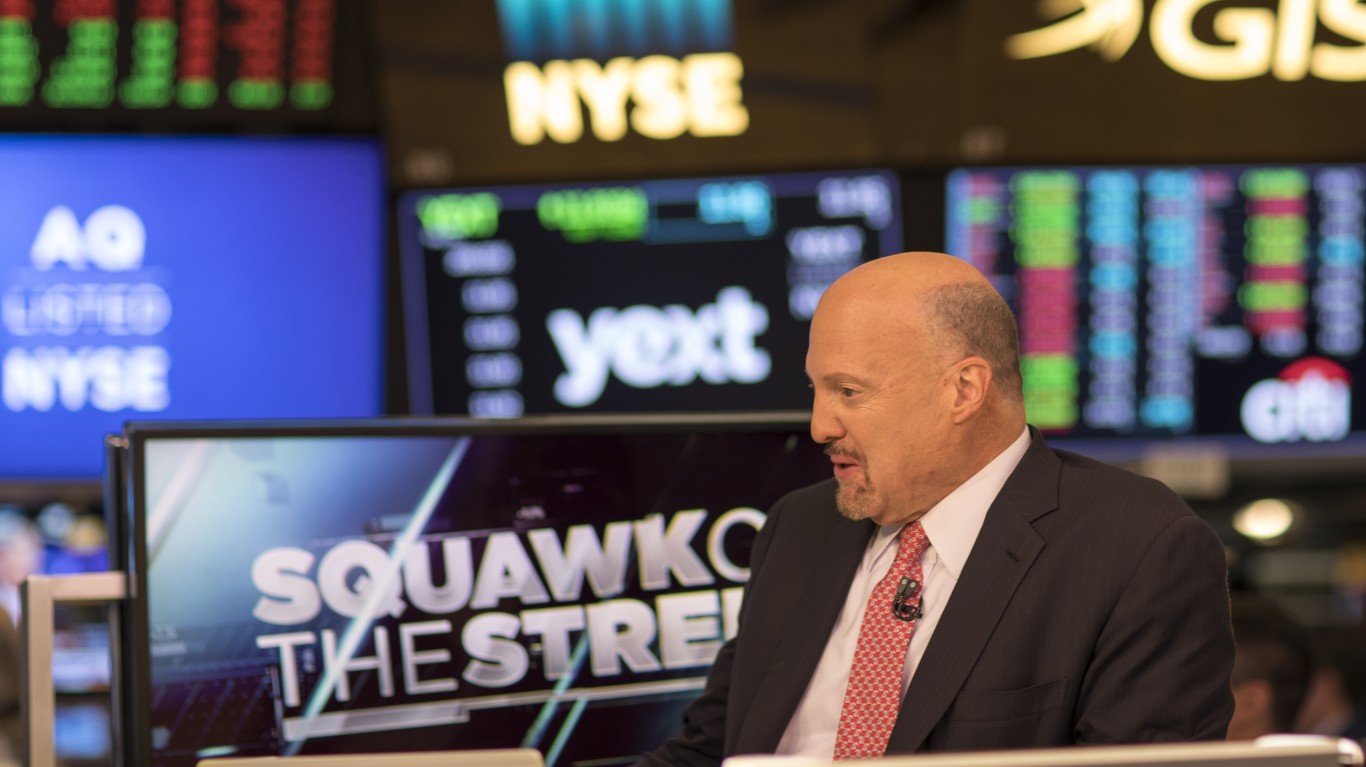
Jim Lebenthal owns the stock, and he ran a worst-case test on the show. “Let’s use the higher number of the range of how much sales go to China, including indirect illicit sales. That has been estimated up to 20%,” he said. He noted that “next year we’re projecting almost 700 billion in sales for Nvidia,” and for argument’s sake he assumed the full 140 billion came straight off earnings. He concluded that a stock that “has lost over one and a half trillion dollars is now pricing in a worst case.”

Harrington Points to Credibility and Circular Financing
Harrington argued that damage to Huang’s credibility and circular financing in the AI market make the recovery timeline much longer. Circular financing follows a pattern. A supplier invests in its customers or backs their debt, and those customers then use the money to buy the supplier’s products. Sales look strong, but the seller’s own balance sheet is paying for part of them.
Nvidia has a lot of this exposure. It has committed nearly $50 billion in the Frontier AI labs[1]. It expects AI labs it supports with its balance sheet to make up roughly a quarter of its business next year[1]. Its guarantee obligations to AI cloud partners are capped at $108.5B[2], and days sales outstanding (how long customers take to pay) extended to 60 days from 45 days. In August, Huang addressed the concern directly: “We recognize the scale of this support, and we know some will call this circular financing. We see it differently.”[1] Harrington’s point is that investors accepted that answer largely because Huang was the one giving it.
Nvidia’s Fundamentals Going Into Tuesday’s Report
Nvidia reports tomorrow. Its last quarter was strong. In its Q2 fiscal 2027 release, revenue came in at $96.22B[2] against $92.07B expected, up 105.85% from a year earlier. Non-GAAP EPS was $2.22[2] against a $2.09 consensus. For Q3, management guided to revenue of $108.0B +/- 2%[2], excluding China Data Center compute, with a non-GAAP gross margin of about 74.0%. Huang said supply was the limit on growth: “Our demand is much higher than that.”[1]

Why Harrington’s Argument Holds Up Better for Long-Term Investors
Lebenthal’s math focuses on earnings, and the earnings case looks solid, while Harrington’s argument focuses on the multiple, which is the part of the stock that has already collapsed. Investors priced Nvidia at a premium because they trusted the person vouching for its financing model, and rebuilding that trust takes time, so a strong quarter on its own won’t do it.

Tuesday’s report will matter less for its headline revenue than for what new leadership says about funding the AI labs, the guarantee commitments and collections. Nvidia has $99.0B[2] left on its buyback authorization and can start buying after they report earnings, which could help support the stock. Repurchases won’t settle the credibility question Harrington raised, though.
Contact [email protected] for any questions or corrections.
Chris Lange is a financial and geopolitical writer with more than a decade of experience covering a myriad of topics. He has published thousands of articles for 24/7 Wall St., with past coverage focused heavily on stocks, IPOs, healthcare, defense, global affairs, and technology.
His work has been quoted, or referenced by a number of outlets including Business Insider, USA Today, Yahoo Finance, MSN, The Motley Fool, and many other publications. A graduate of Southwestern University, he studied business with a focus on investments and has previous experience in banking and startups.
When not reading or writing the news, he is following his passion for Lacrosse, playing chess, or building solar projects with his dad.