Warren Buffett’s Berkshire Just Revealed a New Stock and Sold More Bank of America. Here’s What a 68-Year-Old With 400 Shares Owns

This post may contain links from our sponsors and affiliates, and Flywheel Publishing may receive compensation for actions taken through them.
She is 68, and 400 shares of Berkshire Hathaway sit in her traditional IRA. At $593.17 a share, that is $237,268, the largest single position she owns. On Monday afternoon, Berkshire told the government which stocks it bought and sold over the summer.
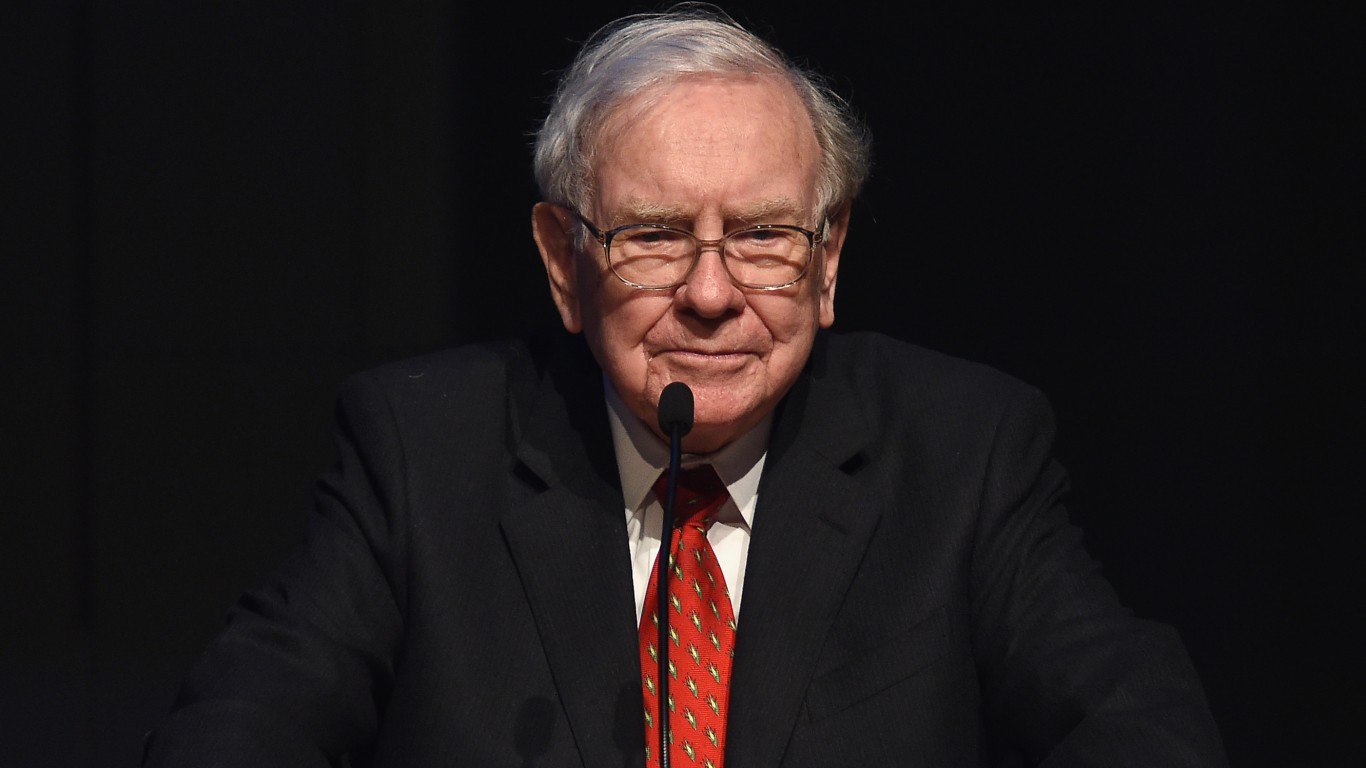
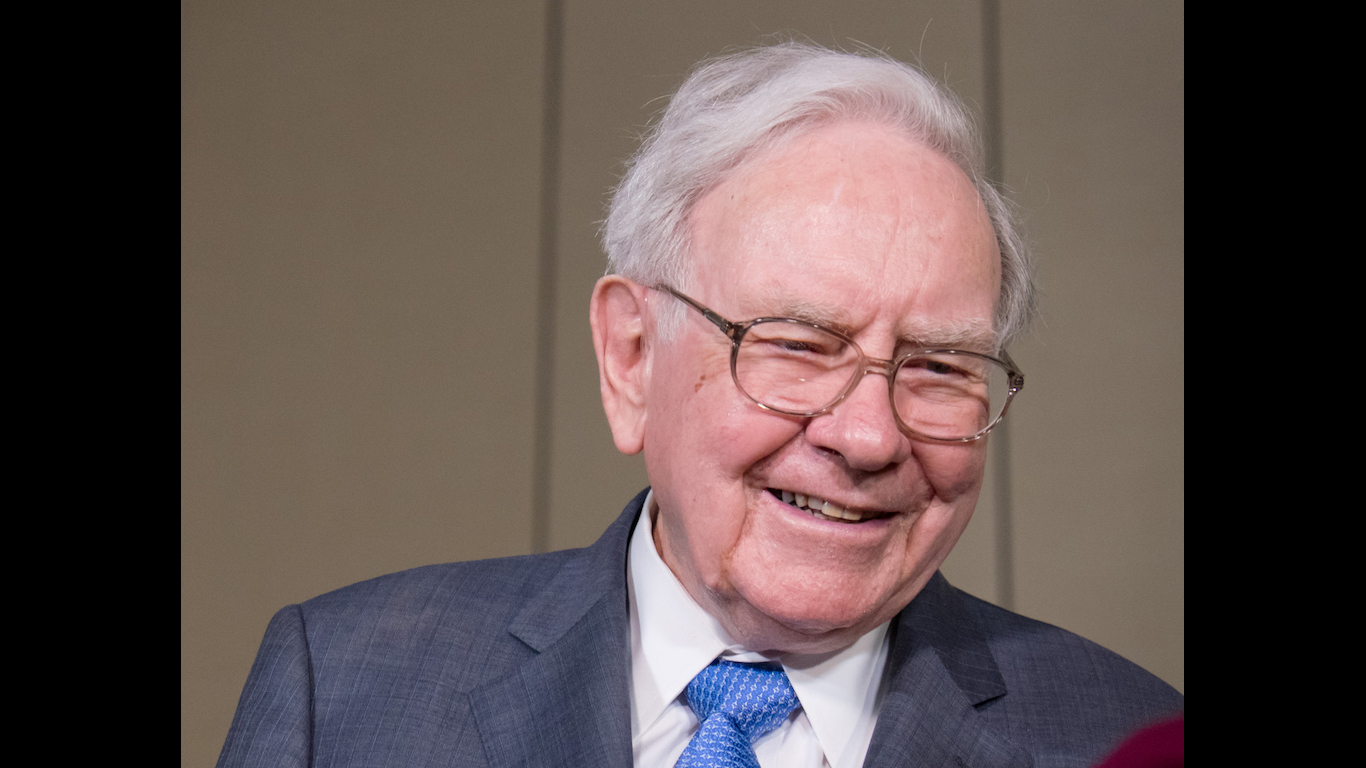
The filing is a Form 13F, and every big money manager files one 45 days after each quarter ends. Berkshire's covers the three months through September 30, the third full quarter with Greg Abel as chief executive. Warren Buffett stepped down as CEO at the end of 2025.
The totals came out a week ago
Berkshire's quarterly report on November 9 already gave the dollar amounts. From July through September, Berkshire bought $2.37 billion of stocks and sold $2.79 billion, for net sales of $426 million. The report did not name the companies. The 13F does.
One company is new to the list: Bending Spoons, the Italian technology company that owns AOL, Evernote and Vimeo. It priced its initial public offering on June 30 at $29 a share and listed on the Nasdaq. Berkshire held 20,689,655 shares on September 30, worth $689 million that day. At the offering price, that many shares cost $600 million.
The biggest addition was Lennar, the homebuilder. Berkshire nearly doubled its Class A stake, from 13,111,741 shares to 26,034,436, about $1.05 billion more at September 30 prices. It also raised its Delta Air Lines stake by 12%, to 64,450,000 shares.
The biggest sale was Bank of America. Berkshire cut its stake by 5.7%, from 483,394,015 shares to 455,860,908, about $1.50 billion at September 30 prices. It sold 34% of its VeriSign shares, about $865 million, and 62% of its Capital One shares, about $357 million. It also trimmed Kroger by 10% and Nucor by 15%. Apple, American Express, Coca-Cola and Alphabet did not change.
One more figure from the November 9 report points at what was sold. Stocks Berkshire sold in the quarter produced $2.2 billion of taxable gains on $2.79 billion of sales, so about 79 cents of every dollar was profit. Gains that large come from shares bought many years ago.
Berkshire spent four times as much on its own stock
The bigger purchase in the quarter was Berkshire itself. Berkshire repurchased $9.6 billion of its own shares from July through September, a record, and $14.4 billion over nine months. That is about four times what it spent on other companies' stocks in the same three months.
A buyback leaves each remaining share owning more of the company. Each of her 400 shares now owns a slightly larger slice of the railroad, the insurers, the utilities and the stock portfolio. Berkshire's rule is to buy back stock only when the price is below what Abel and Buffett think the company is worth, and never to let cash fall below $30 billion.
Cash is nowhere near that floor. Berkshire held $352.3 billion in cash and Treasury bills at the end of September. At $593.17 a share, Berkshire's market value is about $1.26 trillion, so cash and Treasury bills equal about 28% of it.
What her 400 shares actually own
Divide Berkshire's holdings by its 2.12 billion Class B equivalent shares and her stake looks like this:
- about $66,330 of cash and Treasury bills
- about $63,170 of stocks in other companies, at September 30 values
- 43 shares of Apple, 75 shares of Coca-Cola and 20 shares of Alphabet, by the new filing's counts
- the rest in businesses Berkshire owns outright: BNSF, Geico, the energy companies and dozens of others
The five largest holdings in the filing are Apple, American Express, Coca-Cola, Alphabet and Bank of America, 68% of the $304.20 billion of stocks the filing lists.
Why copying the list is harder than it looks
Many retirees use these filings as a shopping list. The list arrives late. The filing shows holdings as of September 30, about seven weeks ago, and it says nothing about what Berkshire has done since. Some positions can stay hidden for a while: the SEC can let a manager leave out a stock it is still buying.
The second problem is taxes. Berkshire pays corporate tax when it sells, but its shareholders owe nothing on those sales. A retiree who copies a sale in a regular brokerage account owes capital gains tax on her own profit. Inside her IRA she owes nothing on the trade, but every dollar she later withdraws is taxed as income.
What she should check now
- How much of her savings is Berkshire. At $237,268, her stake is one stock, even if it holds hundreds of businesses inside it. If it is more than a quarter of what she has, a slow trim inside the IRA costs her no tax on the sale.
- Her required withdrawals. At 73 she must start taking money out of a traditional IRA. Shares of Berkshire can be moved to a taxable account in kind to satisfy part of that, and her cost basis there becomes the value on the day of the transfer.
- Whether she wants the cash pile. About 28% of what she is paying for is cash earning Treasury bill rates. If she already holds bonds and money market funds, her Berkshire stake adds more of the same.
Abel's first year has looked a lot like Buffett's last ones: net selling in two of three quarters, more than $350 billion in cash and Treasury bills, and a record buyback when the stock was cheap enough. In the one quarter he bought more than he sold, from April through June, Berkshire's stock purchases came to $23.47 billion.
Contact [email protected] for any questions or corrections.
I've spent more than 15 years inside enterprise software, working alongside the finance, sales operations, and HR leaders who run the revenue engines at some of the largest tech companies in the country.
My day job is helping enterprise executives make smarter decisions about retention, compensation, and growth. These are the same operational levers that show up in every earnings report investors actually read. That perspective shapes my writing for 24/7 Wall St.
The headline numbers are easy. The interesting stuff is underneath: how companies make money, what executives are worried about, and what any of it means for the person checking their 401(k) on a Sunday afternoon. I write about personal finance and business as someone who has spent her career inside the rooms where these decisions get made.