Berkshire’s CFO Just Paid $888,869 a Share for Berkshire Stock

This post may contain links from our sponsors and affiliates, and Flywheel Publishing may receive compensation for actions taken through them.
Charles C. Chang, Senior Vice President and Chief Financial Officer of Berkshire Hathaway (NYSE:BRK-A | BRK-A Price Prediction), bought 2 Class A shares on November 12, 2026, at $888,869.52 each. The two shares cost about $1.78 million in total.
The trade became public in a Form 4 filed after the close on November 16 and accepted at 6:01 p.m. ET. A second filing showed Michael J. O’Sullivan, Senior Vice President, General Counsel and Secretary, buying 421 Class B shares on November 12 for about $250,200.
Neither officer gave a reason, and the stock barely moved. Class A was at $888,604.46 on November 16, down 0.13%, while the Class B shares (NYSE:BRK-B) were at $593.17, up 0.04%.
Chang paid more than any earlier Class A close, for a company valued at about $1.26 trillion. Executives buying at a record likely add little to what the valuation already shows.
What the Filings Actually Show
This is Chang’s second purchase since he joined Berkshire. His initial ownership report (Form 3) for June 1, 2026 showed 6 Class A shares, and on August 12 he bought 2 more at $765,189.94 and $765,184.18.
He now has 10 Class A shares. He holds them indirectly through a limited liability company that he and his spouse control. His November price was about 16% above his August price.
O’Sullivan bought 54 shares at a weighted average of $593.75 and 367 at $594.40. He holds 1,572 Class B shares through a living trust he controls.
The disclosed facts stop there: two open-market purchases made with personal money. Neither filing states a motivation, a trading plan, or a view on results.
Why Same-Day Buying Stands Out
At most large companies, executives receive stock as grants and later sell it. Officers spending their own cash on the open market is less common, and here two did it the same day as CEO Greg Abel takes over from Warren Buffett. Although the purchases are tiny against a company this size, they are a real personal commitment for the two officers.
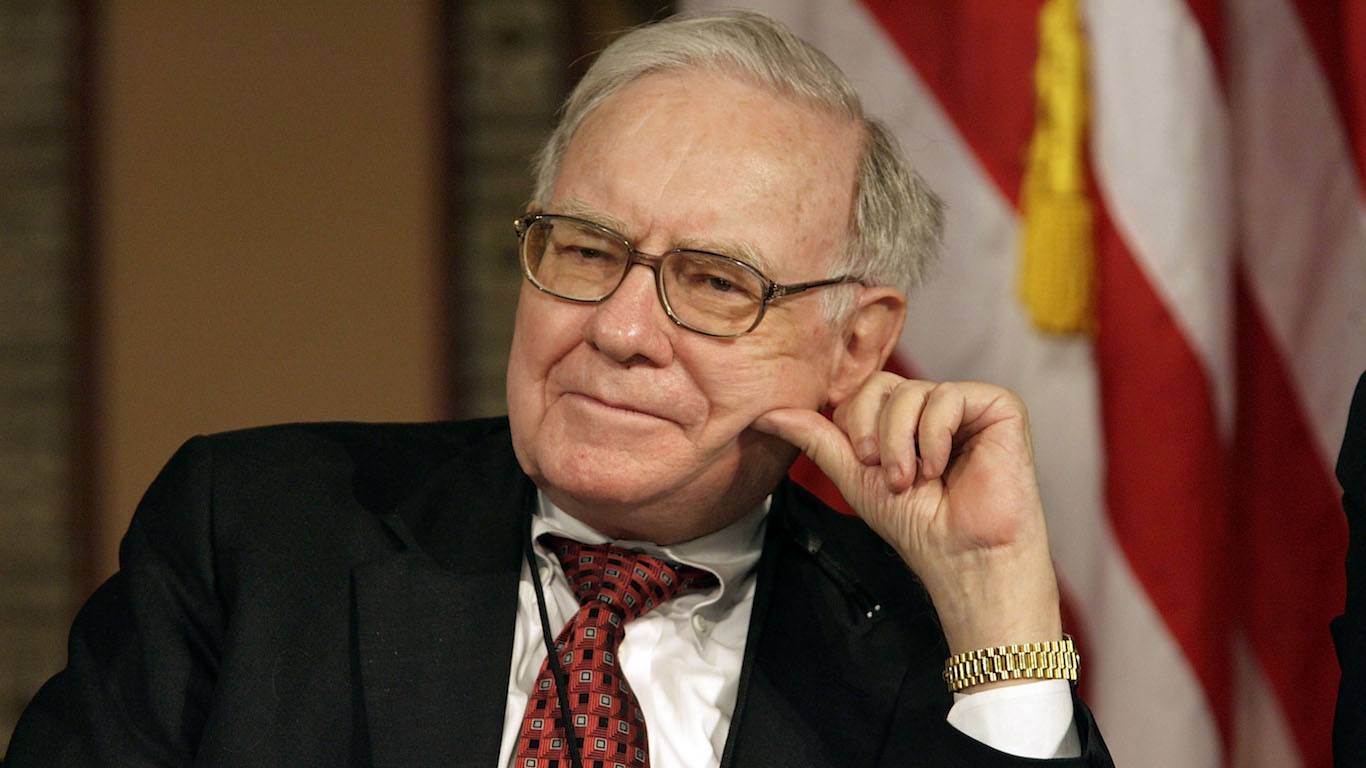
On November 16, Buffett, now Chairman Emeritus, converted 6,150 Class A shares into 9,225,000 Class B shares and gave them to family foundations. The gift was worth about $5.47 billion.
Record Prices Raise the Valuation Question
Class A set a record close of $889,794 on November 13, and Class B set one at $592.94. Buying at a high shows that an insider still sees value at that price, which is a narrower claim than calling the stock cheap.
Class B trades at 12 times earnings and 1.16 times book value, with a return on equity of 9.80%. Book value is the company’s net worth on its balance sheet, so that multiple is modest for a business of this quality.

Berkshire has also been buying its own stock. In the quarter covered by its August 11, 2026[1] filing, it bought back about $4.5 billion of shares, and operating earnings rose to $12.98 billion from $11.16 billion.

What the Valuation Says About BRK-B Stock
For long-term holders, BRK-B’s valuation looks reasonable at this price. An earnings multiple near 12, rising operating earnings, and active buybacks support the price better than the insider purchases do.
Class B is more accessible than Class A. Each Class A share converts into 1,500 Class B shares, so you own the same company in amounts an average brokerage account can handle.
The case gets weaker if operating earnings fall or if cash keeps piling up without being put to work. Cash reached a record $380 billion[2] in the first quarter.
The next check is Berkshire’s next quarterly filing. If it shows buybacks stopped while Class A traded above $888,869.52, the company’s own decision matters more than any officer’s purchase.
Contact [email protected] for any questions or corrections.
Omor Ibne Ehsan is a writer at 24/7 Wall St. He is a self-taught investor with a focus on growth, cyclical, and dividend equities that have strong fundamentals, value, and long-term potential. He also has an interest in high-risk, high-reward investments such as penny stocks.