Bill Ackman Says Nvidia’s Board Failed Shareholders. What It Means for Investors

This post may contain links from our sponsors and affiliates, and Flywheel Publishing may receive compensation for actions taken through them.
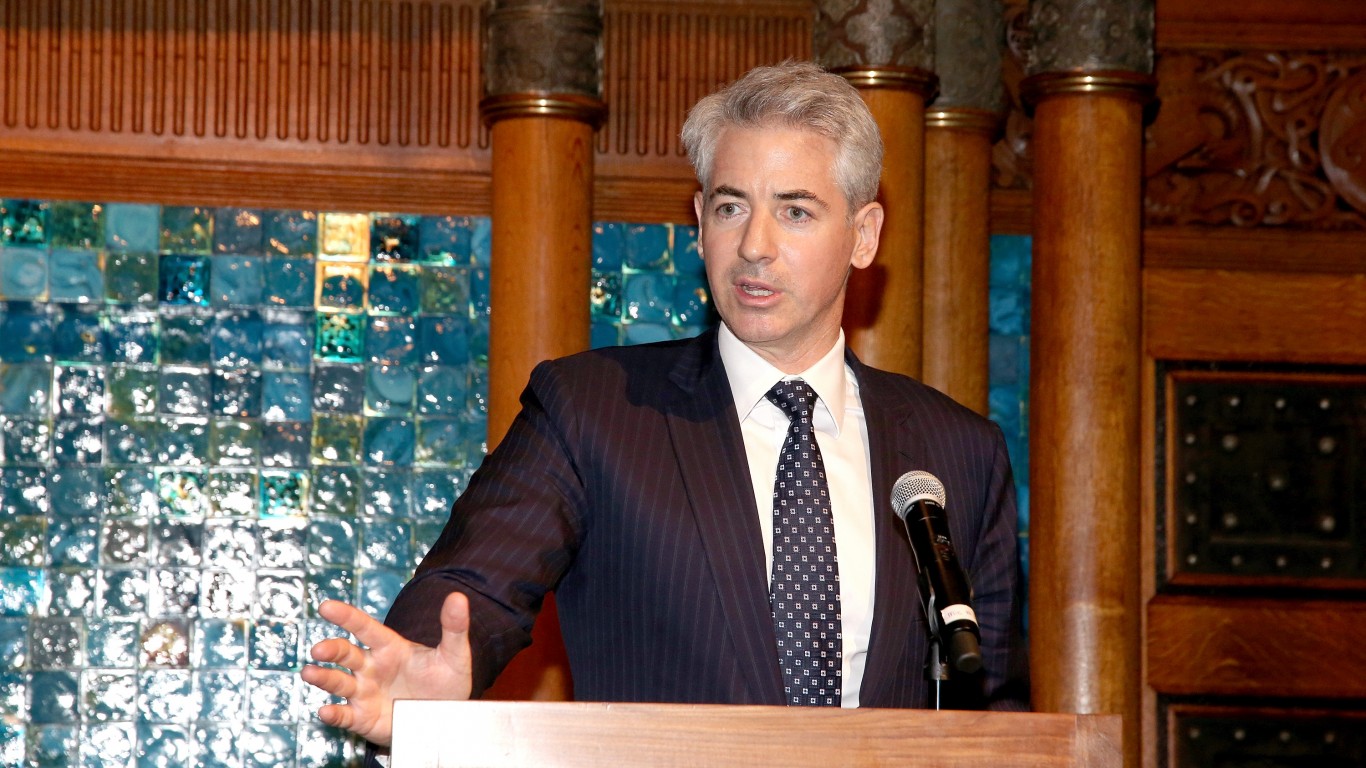
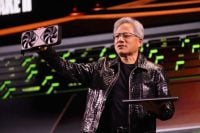
Bill Ackman went after NVIDIA (NASDAQ:NVDA | NVDA Price Prediction) on November 18, 2026. He wrote on X that the board is “not acting in the best interest of shareholders nor in a manner consistent with their fiduciary duties.” The post came one day after NVIDIA’s first earnings call since Jensen Huang left, and the stock is still slipping. Shares traded at $152.15 late Wednesday, down 12.42% over the past week and 29.91% over the past month.

Ackman Says the Board Panicked
The New York Post identified Ackman as the founder of Pershing Square Capital Management. It reported that he called Huang’s exit “a series of major governance failures by directors that panicked due to headlines in the media.” According to Business Insider, he said directors “rushed to judgment without the benefit of careful due diligence or even with a basic understanding of the facts.” He also opposed ruling out Huang’s return: “This is yet another breach of their duty of care.”
Benzinga reported that Ackman laid out how Nvidia shareholders could bring Jensen Huang back as CEO. Business Insider reported that the path he described would hinge on Huang being cleared of any activity related to national security risks.
The board has given its own account. On the call, chairman Harvey Jones said Huang “voluntarily resigned”[1] after disclosure of “personal behavior inconsistent with the company’s code of conduct, standards, and cultural norms,” and that the board “does not intend to reinstate Jensen as CEO.” The New York Post linked the resignation to reports of extramarital affairs, including one with an alleged Chinese spy. Jones said the board “acted deliberately and in the best interest of the company’s employees, customers, partners, and shareholders.”[1] Former CFO Colette Kress is now interim CEO, and the board also set up a national security and export control oversight committee.
Fiduciary Duty in Plain English
Directors owe shareholders two main duties. The duty of loyalty means they put the company’s interests ahead of their own. The duty of care means they gather the facts before deciding. Courts usually defer to a board’s decision if it was made in good faith and on an informed basis. Ackman is attacking the “informed” part.
Shareholders who disagree with a board have three main options. They can vote against directors at the annual meeting. They can name their own candidates in a proxy contest. They can also push for change publicly or in court. Each option takes time and needs support from large holders.
A Strong Quarter Overshadowed by the Board Fight
Operations have not slowed. NVIDIA’s Q3 fiscal 2027 release showed revenue of $115.84 billion[2], up 103.2% year over year. Wall Street expected $108.73 billion[2]. Non-GAAP EPS came in at $2.68[2], ahead of the $2.47 consensus. NVIDIA guided Q4 revenue to $130.0 billion, plus or minus 3%[2]. The stock trades at about 30 times earnings.

The same filing lists “Leadership transition and search for a new CEO”[2] and an “Ongoing independent board committee investigation” as risk factors. Meanwhile, the board manages $390 billion[2] in supply commitments, up to $118 billion in guarantee exposure and about $227.3 billion left in buyback authorization. How well the board decides matters at that scale.
What This Means for Retirees and Index Fund Holders
You may own NVIDIA without picking it yourself. At the Vanguard 500 Index Fund ETF (NYSEARCA:VOO), information technology made up 38.0% of net assets as of June 30, 2026. Index investors can’t sell NVIDIA alone, and their fund votes its shares on directors. That makes the position of big asset managers a key factor in any board challenge.
Long-term holders have been well rewarded: shares are up 363.29% over five years, driven by the AI data-center expansion that also raised the power, cooling, and networking suppliers we profiled in a free report on seven non-chipmaker AI stocks. Shares are also down 18.23% year to date, which shows how quickly leadership uncertainty can weigh on even a dominant company.
Does Ackman’s Criticism Change the Investment Case?
NVIDIA’s earnings power remains intact. Demand, guidance, and margins remain exceptional. Ackman’s critique puts a greater focus on a risk that is already in the price: a board without its founder now controls hundreds of billions in commitments while an investigation is open. That governance discount is real. It helps explain why the stock fell even as results beat expectations.

Watch the stock around four events: the CEO search, any findings from the board’s investigation, whether major shareholders join Ackman publicly, and the Q4 earnings report against the $130 billion outlook.
Contact [email protected] for any questions or corrections.
Chris Lange is a financial and geopolitical writer with more than a decade of experience covering a myriad of topics. He has published thousands of articles for 24/7 Wall St., with past coverage focused heavily on stocks, IPOs, healthcare, defense, global affairs, and technology.
His work has been quoted, or referenced by a number of outlets including Business Insider, USA Today, Yahoo Finance, MSN, The Motley Fool, and many other publications. A graduate of Southwestern University, he studied business with a focus on investments and has previous experience in banking and startups.
When not reading or writing the news, he is following his passion for Lacrosse, playing chess, or building solar projects with his dad.