Billionaire David Tepper’s Appaloosa Opened a $172 Million Stake in Oracle

This post may contain links from our sponsors and affiliates, and Flywheel Publishing may receive compensation for actions taken through them.
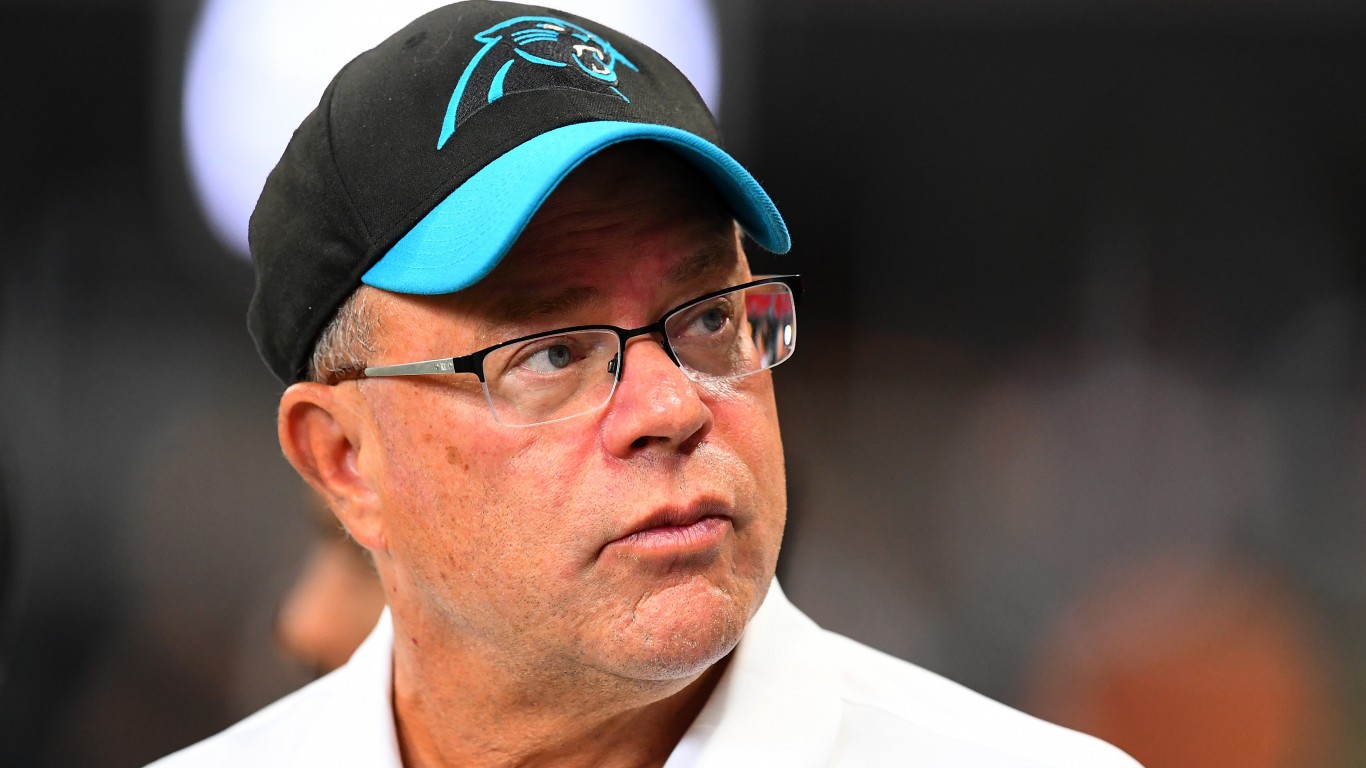
David Tepper’s Appaloosa opened a new position in Oracle (NYSE:ORCL | ORCL Price Prediction), according to a 13F filed on November 16, 2026. The filing showed 1,253,932[1] shares worth about $172 million[2] as of September 30, 2026. Appaloosa did not hold the stock at the end of the prior quarter. The stake made up about 2.28% of the fund’s reported stock holdings.

A Fresh AI Position While Alphabet Was Trimmed
During the quarter, Appaloosa cut its Alphabet (NASDAQ:GOOG) Class C stake by 45.9%, from 1,850,000 shares to 1,000,000. Appaloosa was one of 9 buyers among 13 tracked institutional investors, and the only new position in that group. The quarter-end value works out to roughly $137.30 per share. Oracle traded at $152.94 when it reported earnings on September 10, 2026.
A $664 Billion Backlog Anchors the Thesis
Oracle’s fiscal first-quarter revenue came in at $19.34B[3], up 29.6% YoY and ahead of the $19.13B consensus. Cloud infrastructure revenue rose 121%[3] to $7.39B. Remaining performance obligations, meaning signed revenue Oracle has not yet recognized, hit $664B[3], up $209B YoY. Management raised fiscal 2027 guidance to at least $90B[3] in revenue and non-GAAP EPS of $8.10.
Pricing power backs up that demand. GPU utilization reached 97.9%[4], and capacity up for renewal was re-signed at a 20% premium. Cloud infrastructure executive Clay Magouyrk said, “Customer demand continues to support this investment.”[4]
That growth carries a steep price tag. Quarterly capex was $28.5B[3], leaving free cash flow at -$5.4B, after -$23.7B for fiscal 2026. Non-current debt stood at $117.7B as of the fiscal third quarter, and Oracle completed a $20 billion equity program to help fund the expansion. Management has given no specific timeline for a return to positive free cash flow. All of that capex has to be powered, cooled, and connected by somebody, and we covered seven suppliers riding the same data-center expansion in a free AI infrastructure report.
What a 13F Leaves Out for Retirement Investors
A 13F report shares counts and quarter-end value. What it does not reveal is the purchase price, when the trade happened in the quarter, and why it was made. Appaloosa’s filing tells readers what the fund owned on one date and little else. Oracle has fallen hard since then, closing at $101.17 on November 20. That was down 8.5% on the day, 19.27% for the week, and 47.39% year to date. Forbes reported that Larry Ellison has dropped out of the world’s 10 richest people as the stock slid (Forbes).

Income investors get modest support. The $0.50 quarterly dividend works out to a yield of about 1.98% at the current price.
Verdict: Study the Thesis and Weigh the Sizing
Appaloosa’s move deserves study as a research signal, though a 13F gives readers no trade to copy. The bull argument rests on signed backlog, raised guidance, and near-full GPU utilization. The bear argument points to negative free cash flow, rising debt and reliance on a small group of large AI customers.
A 2.28% weighting reflects measured conviction, and that control is the most useful lesson for a retirement portfolio. The next milestones are Oracle’s fiscal second quarter, guided at 30%-34%[3] revenue growth and non-GAAP EPS of $1.85-$1.93, and Appaloosa’s next 13F, which will show whether the fund held through the selloff.

Contact [email protected] for any questions or corrections.
David Beren has been a Flywheel Publishing contributor since 2022. Writing for 24/7 Wall St. since 2023, David loves to write about topics of all shapes and sizes. As a technology expert, David focuses heavily on consumer electronics brands, automobiles, and general technology. He has previously written for LifeWire, formerly About.com. As a part-time freelance writer, David’s “day job” has been working on and leading social media for multiple Fortune 100 brands. David loves the flexibility of this field and its ability to reach customers exactly where they like to spend their time. Additionally, David previously published his own blog, TmoNews.com, which reached 3 million readers in its first year. In addition to freelance and social media work, David loves to spend time with his family and children and relive the glory days of video game consoles by playing any retro game console he can get his hands on.