Target’s Former CEO Just Sold $4.4 Million of Stock Heading Into Black Friday

This post may contain links from our sponsors and affiliates, and Flywheel Publishing may receive compensation for actions taken through them.
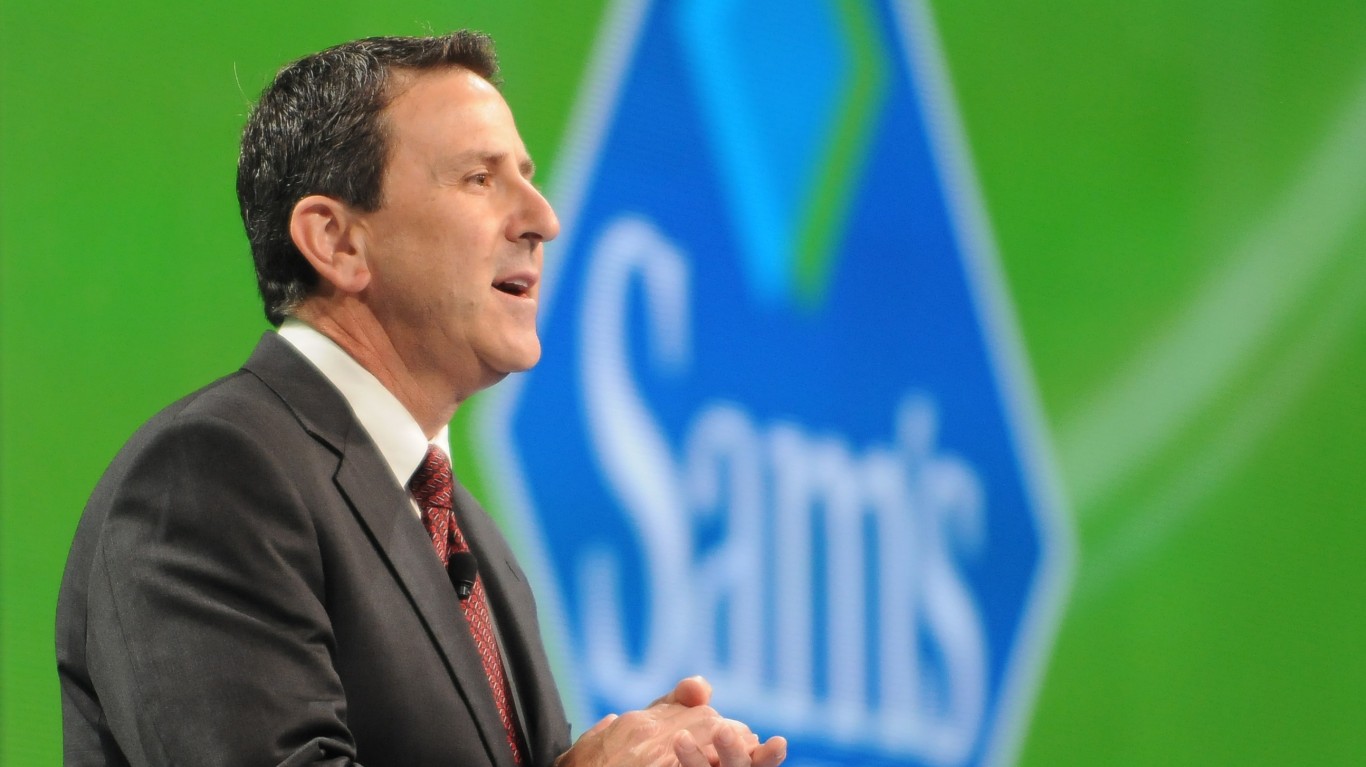
Brian Cornell, who ran Target (NYSE:TGT | TGT Price Prediction) as CEO for 11 years and has been executive chair of its board since February 1, 2026, sold 25,000 Target shares on November 24, 2026. That was three days before Black Friday.
His Form 4, signed November 25, shows a weighted average price of $175.5094. The individual trades ran from $175.17 to $175.895, for a total of about $4.39 million.
He sold on a day Target closed at $176.06, its highest close since April 2, 2024. On November 25, the stock fell 2.18% to $172.22, which valued the company at $77.95 billion. No filing links that decline to his sale.

Michael Fiddelke now runs Target, and its third quarter showed rising sales and traffic. The timing of the sale still deserves a closer look, because the holiday season will decide whether the raised 2026 guidance holds.
What Cornell’s Form 4 Shows and Leaves Out
The shares came out of a trust, which held 118,270 shares after the sale. Cornell also holds 135,694 shares directly and about 504 in his Target 401(k), for roughly 254,468 shares in all. The sale was about 9% of his holdings, so he kept most of his interest.
The filing has a Rule 10b5-1 box, which marks trades made under a plan set up in advance. That box is not checked, and the Form 4 gives no reason for the sale.
How Much a $4.4 Million Sale Matters to Target
Insider sales are often routine. Executives tend to hold much of their wealth in company stock, and they sell to pay taxes, spread out their investments, or plan their estates.
Next to a $77.95 billion company, $4.4 million makes no difference to the business. Target itself bought back $251 million of its stock in the third quarter.
Why Target’s Quarter Deserves a Second Look
On November 18, Target reported that net sales rose 7.1% to $27.1 billion. Comparable sales measure stores and digital channels open at least a year. They rose 5.6% on a 5.0% gain in customer traffic, and digital comparable sales rose 9.8%.
EPS was $2.65, compared with $1.78 adjusted a year earlier. However, $0.50 of that came from tariff refunds that will not repeat. Without the refunds, adjusted EPS still rose 21%.
Target now expects 2026 EPS of $10.65 to $11.40, and that range includes about $2.14 of refunds already booked. The underlying growth now has to come from what Fiddelke called “the all-important holiday season.”
Target trades at 16x trailing earnings and 18x forward earnings. The forward multiple is higher, likely because estimates leave out the refunds.
The company carries $14.70 billion of net debt. Its trailing free cash flow of $4.16 billion has to cover planned 2027 capital spending of $5 billion to $6 billion, along with buybacks and the $4.64 annual dividend, which yields 2.69%.

The stock is 91.8% above its 52-week closing low of $89.80. It is still 35.4% below its record close of $266.39 from November 16, 2021.

What Cornell’s Sale Means for Target Shareholders
Cornell’s sale does little to change the case built on Target’s operating results. Selling about 9% of a large interest after a long run is ordinary portfolio management. The firmer signal is the 21% rise in adjusted EPS without refunds, supported by growing traffic.
The main risk is a weak holiday quarter. Once the refunds pass, the raised guidance leaves little room for a miss.
Look for two things when Target reports the holiday quarter. If comparable sales and traffic are still growing, the 18x forward multiple holds up. If the stock closes below $158.50, where it traded when third-quarter results came out, or if Cornell files another Form 4 near current prices, the market is rethinking the rally.
Contact [email protected] for any questions or corrections.
Omor Ibne Ehsan is a writer at 24/7 Wall St. He is a self-taught investor with a focus on growth, cyclical, and dividend equities that have strong fundamentals, value, and long-term potential. He also has an interest in high-risk, high-reward investments such as penny stocks.