Ross Stores’ CEO Says “Consumer Confidence Is Extremely Low”

This post may contain links from our sponsors and affiliates, and Flywheel Publishing may receive compensation for actions taken through them.
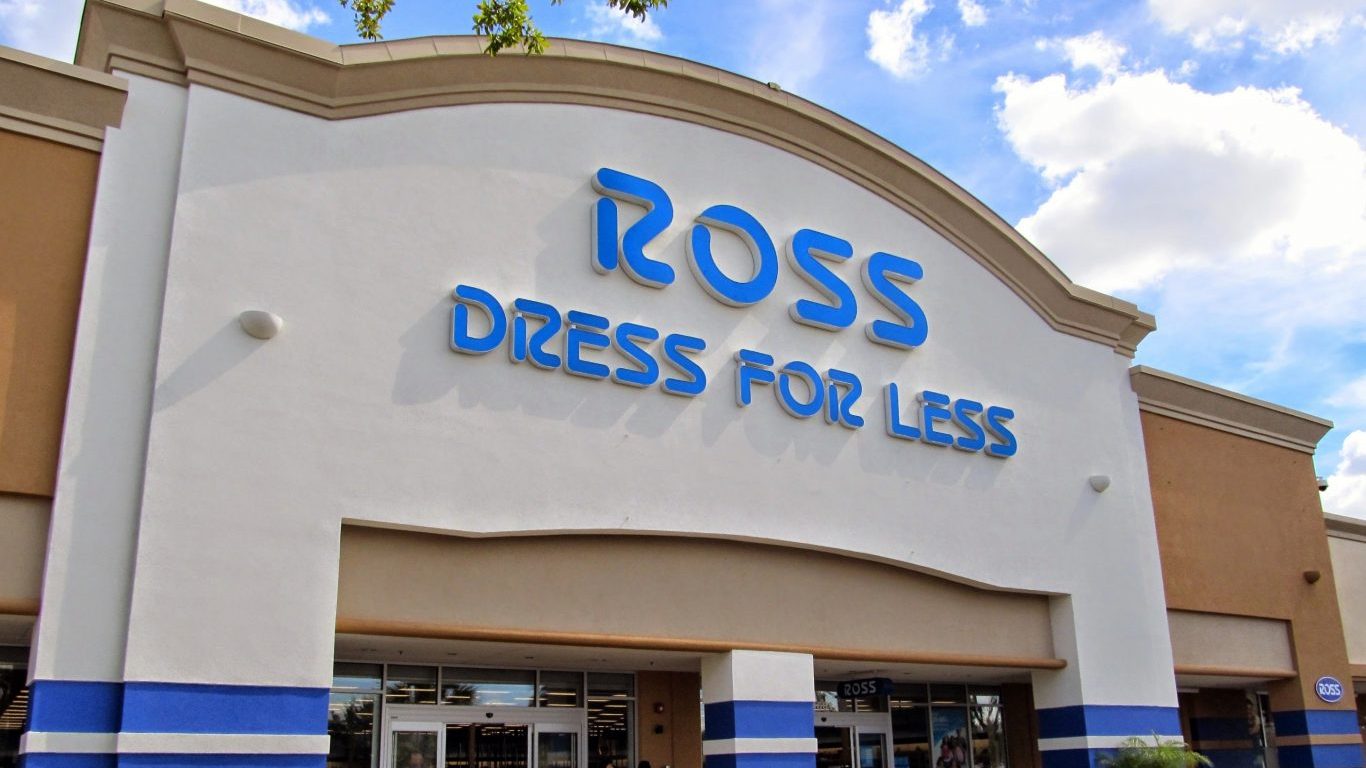
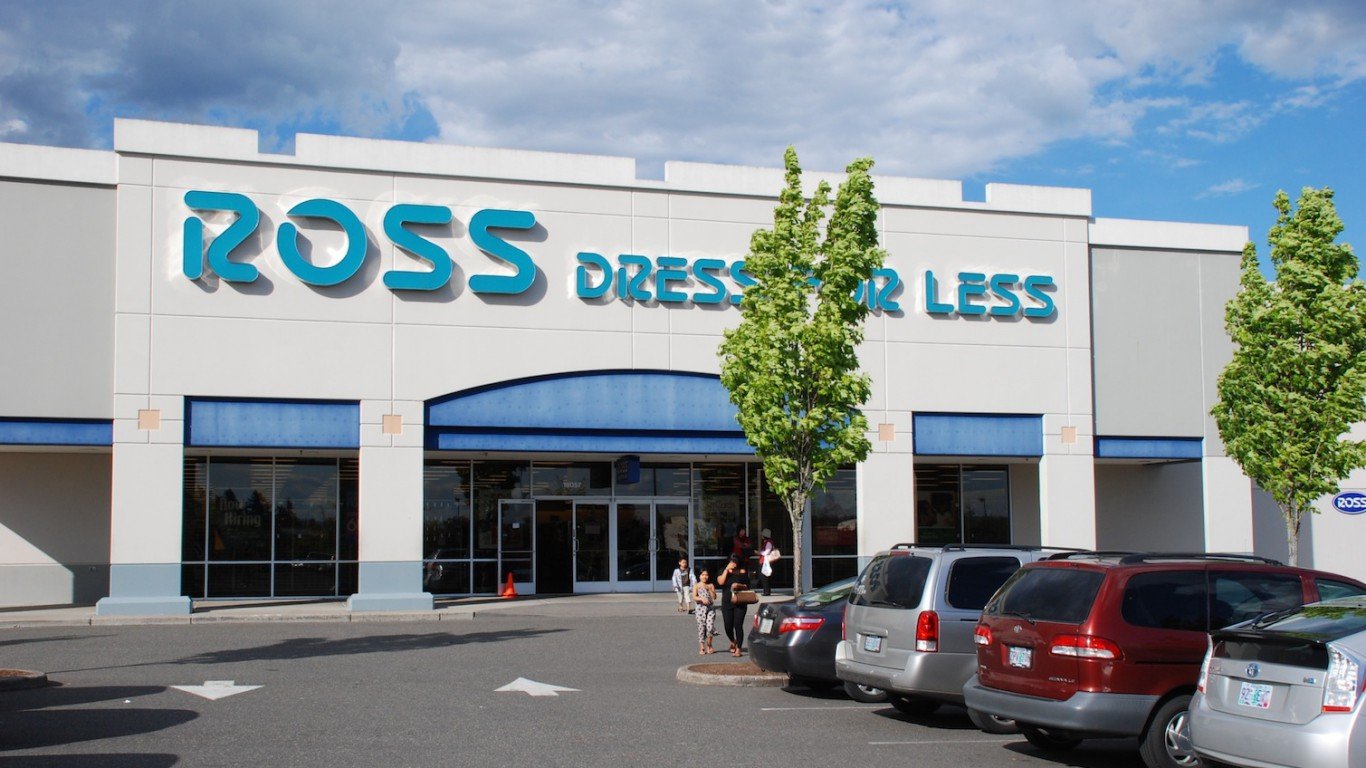
Ross Stores (NASDAQ:ROST | ROST Price Prediction) beat expectations for the third quarter of fiscal 2026 on Thursday. Even so, its shares closed down 3.41% at $219.88 and then slipped another 4.74% after hours to $209.45.
The remark that got the most attention came from chief executive Jim Conroy, who was answering Gordon Haskett analyst Chuck Grom: “We are cognizant of the fact that there’s a lot of inflationary pressure. Consumer confidence is extremely low. So we just continue to try to underscore that we want to have the best values in the store.”[1]
In the same answer, he said a hot final week of October in big markets slowed cold-weather apparel, and that business had since stepped back up roughly in line with guidance. He added that the customer “still feels loyal to us and pretty resilient.”[1]
Consumer sentiment stood at 48.1[2] in September, which is a recessionary reading. Investors are now weighing whether a value retailer that keeps winning traffic deserves a lower price because its holiday profit range came in slightly under Wall Street’s estimate.

Low Confidence Is Sending More Shoppers to Ross
Sales rose 12%[3] to $6.3 billion from $5.6 billion, in line with the $6.26 billion estimate. Diluted EPS was $1.91, up from $1.58. That topped Ross’s own $1.75 to $1.83 guidance and the $1.87 consensus, and net income reached $606 million versus $512 million.
Comparable store sales grew 8%, and most of that gain came from more transactions. Every major category posted positive comps, and customer gains held across income levels. The Midwest led, while unseasonably warm weather hurt California.
Conroy said Ross will keep average prices down: “We absolutely don’t want to abandon the core modest-income customer that’s made this business successful for 40 years.”[1] Holding prices low still left room for a 12.3% operating margin, up 70 basis points.
This quarter’s comp gain came on top of a 7% gain a year earlier. For the fourth quarter, Ross guides to comps of 4%-5% against last year’s 9%, its toughest comparison this year.
Warm weather can weigh on other apparel retailers too, such as Gap Inc. (NYSE:GAP). Ross, however, said the fourth quarter is “off to a very solid start.”[1]
Fuel Costs Trimmed the Holiday Profit Range
Fourth-quarter EPS guidance of $2.16 to $2.25 has a midpoint of $2.205. That is 2.4% below the $2.26 consensus. Chief financial officer Bill Sheehan said the range “reflects higher fuel costs relative to our initial guidance.”[1]
Ross Stores said freight deleveraged by 25 basis points in the third quarter, mostly because of fuel. Regular gasoline averaged $3.81[4] on November 16, down $0.53 in a month, so this pressure could ease if prices keep falling.
How Much of the Raised Outlook Is One-Time Money
Ross raised its full-year EPS outlook to $8.75 to $8.84 from $8.61 to $8.77. That adds $0.14 at the low end and $0.07 at the top. The range includes about $0.60 per share from IEEPA tariff refunds, or roughly $253 million recognized in the second quarter.
Without the refund, earnings come to $8.15 to $8.24. The refund was booked before the prior outlook, so the latest raise likely comes from operations. The reported range also sits above the $8.23 consensus.

Valuation and Buybacks After the Post-Earnings Drop
Thursday’s close was 8.9% below the $241.27 close on November 11. The stock is still up 22.8% this year and 38.18% over twelve months, inside a 52-week range of $158.87 to $257.00.

At a $70.24 billion market value, Ross trades at about 25 times the midpoint of its full-year guidance. Excluding the refund, the multiple is about 27.
Ross bought back 1.4 million shares for $319 million in the quarter and is on track for $1.275 billion this year. It also pays a $0.445 quarterly dividend. Sentiment tends to lead spending by 1-3 months[2], though, so a weak December remains possible.
With 2,377 stores, Ross added traffic across income groups and widened margins while confidence was near recessionary levels. The post-earnings pullback leaves the stock below its November highs, which makes the December sales trend the key data point to research.
Contact [email protected] for any questions or corrections.
Omor Ibne Ehsan is a writer at 24/7 Wall St. He is a self-taught investor with a focus on growth, cyclical, and dividend equities that have strong fundamentals, value, and long-term potential. He also has an interest in high-risk, high-reward investments such as penny stocks.