




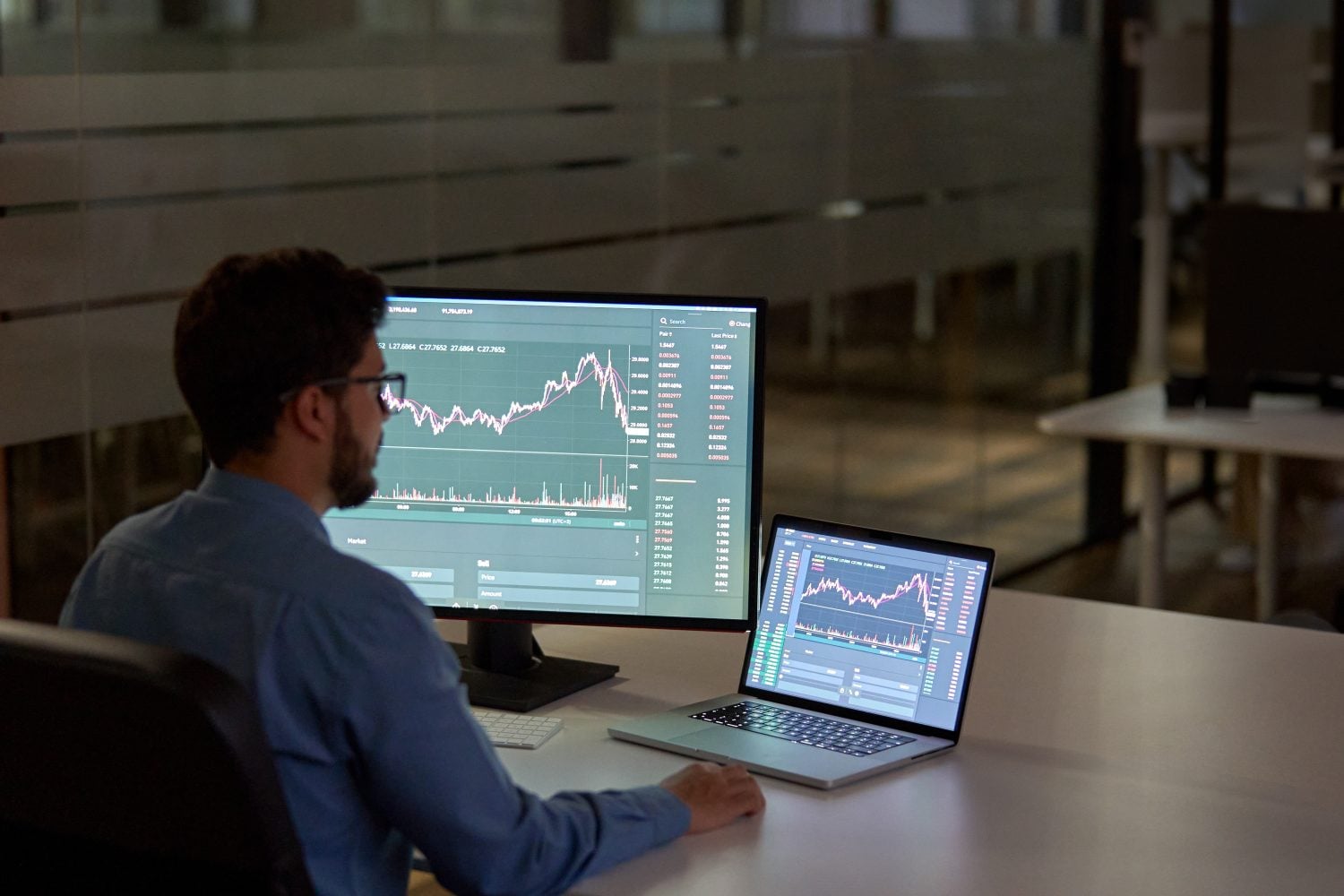
The crypto market is finally showing some green after a June that took nearly every major coin to its low for the year. The total market cap is up about 4% today, and for investors seeking the best crypto to invest in right now, this is where choosing gets hard, because after a crash, everything looks cheap.
Meanwhile, the current selloff has sorted the market, showing which coins investors still want when the whole market is falling and which ones they’re happy to dump. XRP (CRYPTO:XRP), Solana (CRYPTO:SOL), Hyperliquid, and Chainlink (CRYPTO:LINK) each came through it differently. So, which of the four is the best crypto to invest in now?
Bitcoin Funds Lost a Record $4.5 Billion in June While XRP and HYPE Took Money In
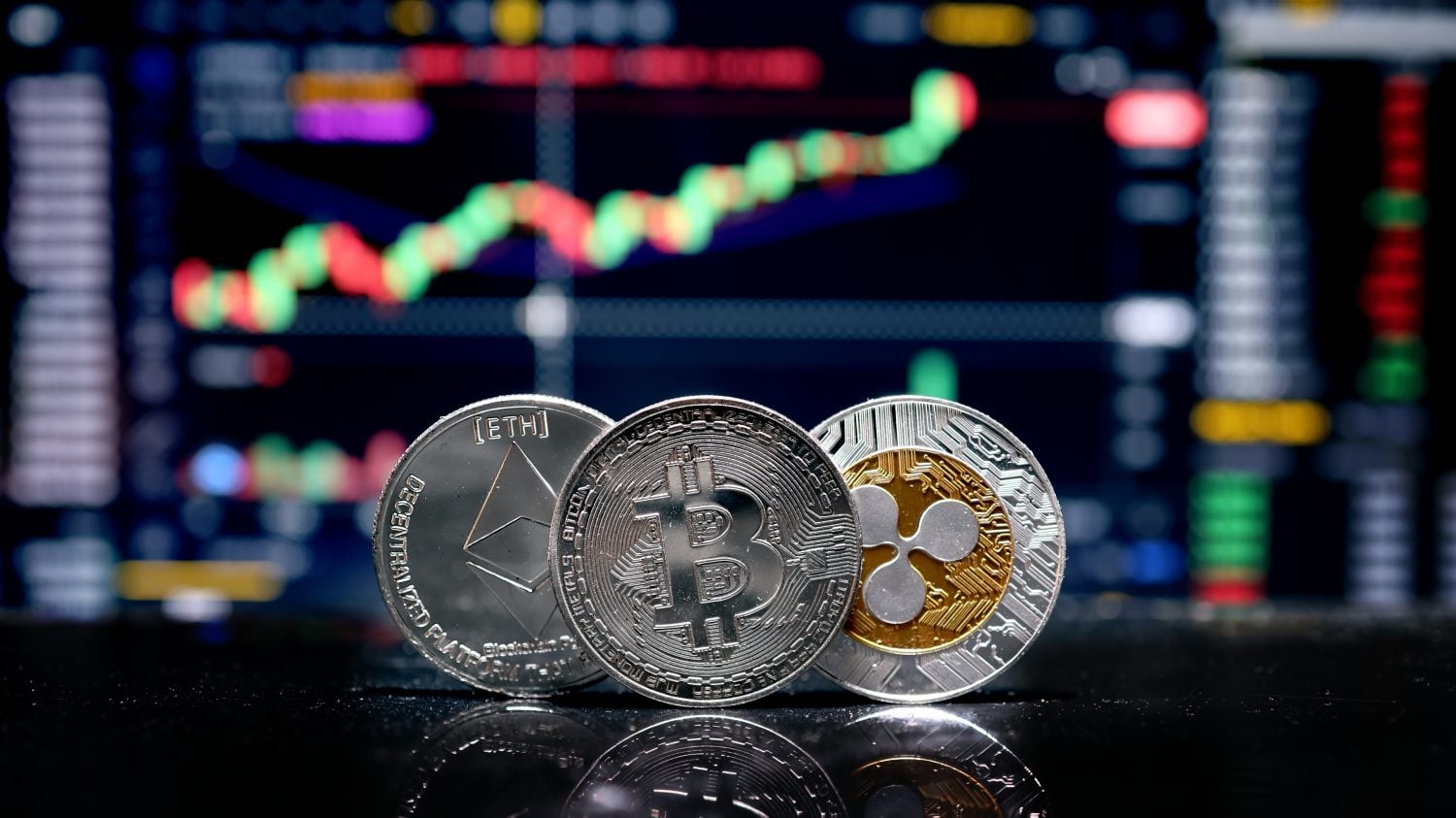
Fund flows reveal what big investors are actually doing with their money, and in June, they were pulling in two opposite directions. U.S. spot Bitcoin ETFs lost about $4.5 billion—the worst month on record for the funds—and Ethereum ETFs shed another $529 million, per SoSoValue data. That’s why neither coin made this list as institutions are now focusing on other cryptos.
As Bitcoin and Ethereum funds bled, XRP ETFs took in $59.46 million in June—their third straight positive month—and Hyperliquid funds added $161 million over the same stretch. So investors kept buying exactly two coins right through the selloff. And the XRP inflows are the more unusual of the two, since the money kept arriving even while the XRP price was falling toward $1.
Institutions Kept Buying XRP All the Way Down to $1
XRP spot ETFs have now pulled in $1.48 billion since launching last November, and the funds have taken in money in all but two weeks since mid-March. The buyers didn’t even flinch at the lows, with another $15.34 million coming in on June 29 when the coin dropped to $1.03. Investors who add money on the worst days are usually building a position they plan to hold for years, and that’s what these flows have looked like for months.
That said, the buying hasn’t rescued the XRP price. The funds’ total net assets have slipped below $1 billion because XRP’s fall shrank the value of the holdings faster than new money could top them up, and a rare daily outflow showed up on June 30. It was a small one, but a sign the pace might be cooling.
The bigger move likely waits on the CLARITY Act—the bill that would write XRP’s commodity status into federal law and give the largest institutions legal cover to buy much more of it. The Senate returns on July 13 with a defense bill ahead of it in the queue, so a floor vote could realistically be set for late July or August.
Moreover, the market has grown less sure about the bill passing at all, with Polymarket pricing the odds of passage this year around 42%, down from above 70% after the bill cleared committee in May. Standard Chartered still projects $4 billion to $8 billion in new XRP ETF inflows if it becomes law.
So, if the bill clears this summer, the buyers who kept adding at $1 would look early rather than wrong. But if it stalls again, XRP would likely stay parked near $1, with the ETF demand acting as its floor.
Why Solana Is Rebounding Before the Rest of the Market
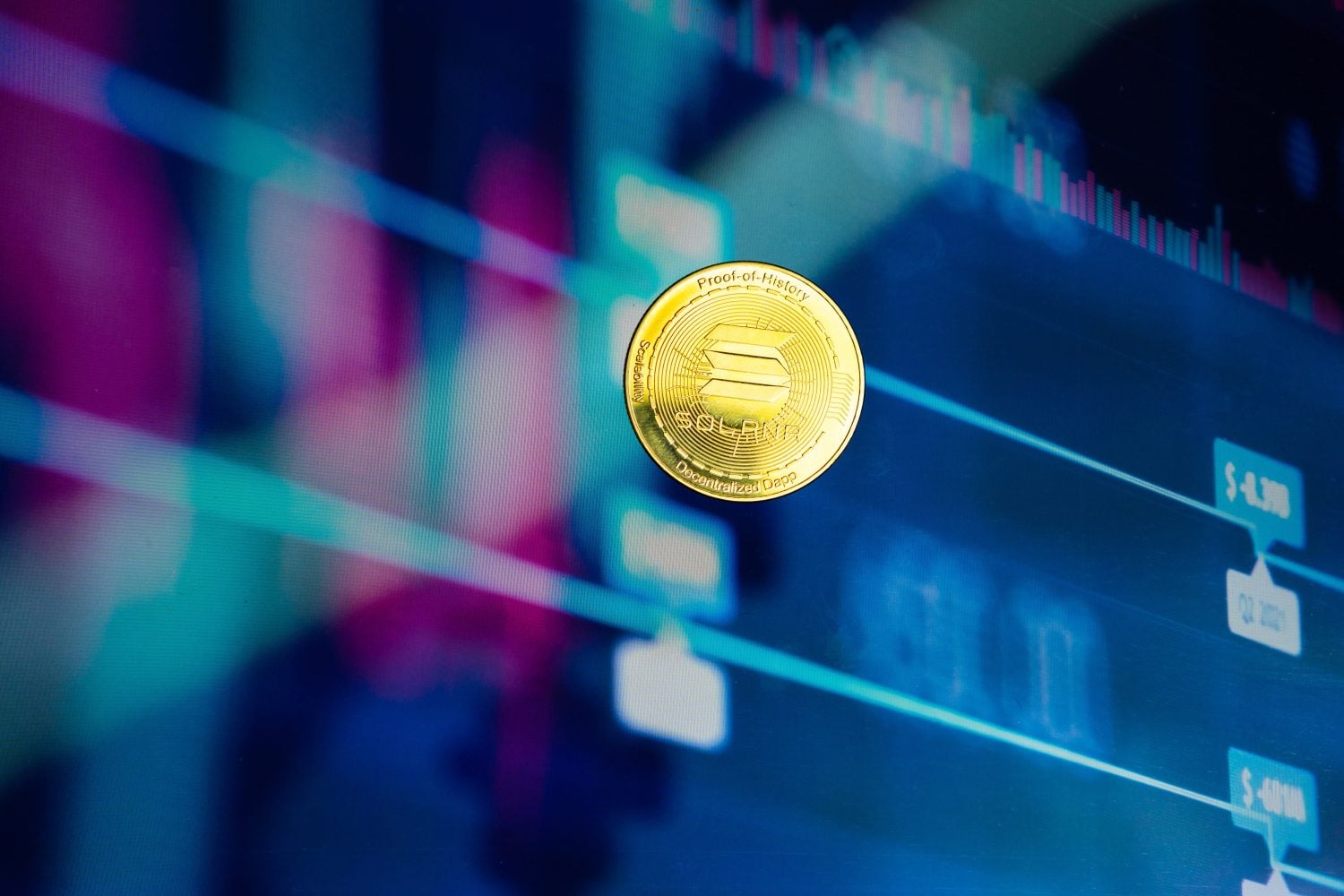
Solana is the only coin on this list already moving, up nearly 20% in the past week to trade above $82 after reaching its lowest price in two and a half years earlier in June. And unusually for crypto, you can trace exactly where the rebound came from.
It started on June 12, when SpaceX listed on the Nasdaq and a tokenized version of its shares went live on Solana the same day. Tokenized stocks are real U.S. shares wrapped as tokens that trade around the clock on-chain, and Solana has become the venue where nearly all of that trading happens.
Within two weeks, tokenized stocks passed memecoins as a share of Solana’s daily trading for the first time, and a day later it hit an all-time high of $644 million in a single session. In the week before that, Solana processed roughly 95% of all tokenized stock trading globally.
Still, this rally is running without the fund support XRP and Hyperliquid have. Solana’s ETFs were flat in June, and the network’s fees are so cheap that billions in stock trading translate into very little direct demand for the SOL token itself. So traders and network activity are carrying this rebound, and it has to keep proving itself week by week.
The next big test is the Alpenglow upgrade, the largest consensus change in Solana’s history, which would cut the time a transaction takes to fully settle from around 12 seconds to about 150 milliseconds. Solana co-founder, Anatoly Yakovenko, has pointed to a possible mainnet launch as early as Q3. If the upgrade launches on schedule and the stock-trading boom holds, Solana would have proven usage and a faster network working for it at the same time.
Hyperliquid Just Crossed $1 Billion in Revenue

Hyperliquid runs the leading on-chain exchange for crypto derivatives, and unlike almost everything else in this market, it makes money you can check. The platform generated just over $80 million in fees in the past 30 days, per DefiLlama, which puts it behind only the stablecoin giants Tether and Circle across all of crypto.
And nearly all of those fees go straight into buying HYPE on the open market, in every market condition, with no one needing to approve it. All that trading has now pushed Hyperliquid’s cumulative revenue past $1 billion since launch. So the more people trade there, the more of the token gets taken off the market—adding scarcity that helps the price.
Institutions have started buying in as well, with spot HYPE ETFs yet to post a single negative week since launching in May. A second source of buying will also switch on from October 3, when 90% of the interest earned on the USDC held on the platform will start funding the same buybacks.
That said, all of this strength is already in the price. HYPE trades around $65, only a short step down from the record high near $76 it set in mid-June, so you’re not buying a crash the way you are with the other three cryptos. U.S. traders also still can’t use the platform, and the model leans on trading volume, so a long, quiet market could shrink the buybacks that hold it up.
Banks Keep Joining Chainlink While LINK Trades at Multi-Year Lows
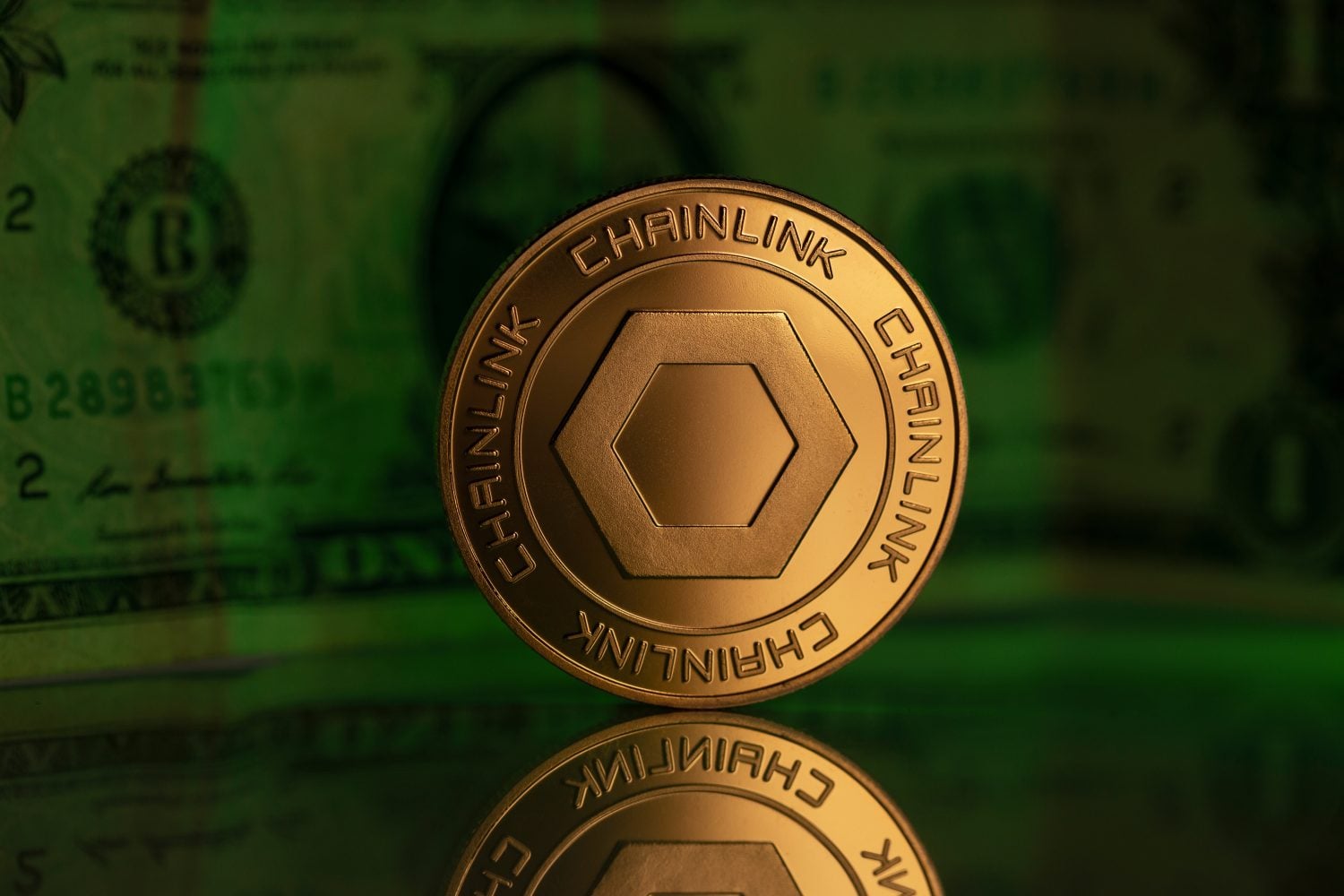
On June 23, Chainlink joined 47 banks across Korea and Europe in Project Pangea—a working group building near-instant settlement between euros and Korean won using regulated stablecoins. But the LINK price barely moved. That one day captures Chainlink’s entire 2026, because the network keeps winning business the token’s price never reflects.
Chainlink is the network that feeds real-world data, like prices and fund values, to blockchains, and the banks keep arriving. In May, Fidelity International launched its first tokenized fund on Chainlink’s rails—a money market-style product whose value is now published on-chain around the clock. Chainlink’s price feeds also power the tokenized stocks driving Solana’s rebound. Meanwhile, LINK trades around $7.60, its lowest level since 2023 and below every major moving average.
The catch is that the adoption doesn’t automatically reach the token. The companies using Chainlink pay fees that get handled behind the scenes, so the bank deals don’t show up as visible buying of LINK. Chainlink has started converting some of that enterprise revenue into LINK through a reserve that recently grew to about 1.9 million tokens, but that flow is still small compared with the size of the partnerships.
So, LINK is the patience trade of the four. You’re buying the network the banks keep choosing at its cheapest price in nearly three years, and betting the revenue eventually reaches the token. Nobody can give you a date for that, and the missing date is a big part of why the price is this low.
Our Verdict on the Best Crypto to Buy Now
We think the honest answer on the best crypto to buy depends on what you’re buying for. Hyperliquid has the strongest evidence behind it right now, since it’s the only coin here where institutional money and the platform’s own earnings are pointing the same way, but you pay nearly full price for that.
Meanwhile, XRP offers the biggest potential payoff of the four if the CLARITY Act passes, and probably another long stretch stuck near $1 if it is delayed till next year. Solana is the pick for anyone who wants a rebound that’s already underway, while Chainlink suits investors comfortably waiting for the price to reflect the network’s growth.
However, three of these picks come with a date that tests them, which is rare in crypto. The Senate returns on July 13 and the CLARITY vote could follow within weeks, Alpenglow’s launch window opens in Q3, and Hyperliquid’s second buyback stream starts on October 3. If you spread money across them, the second half of the year would grade each position one by one, and you’d know by the fall which of these calls was right.
Contact [email protected] for any questions or corrections.
















 Top Gaining Stocks
 Top Losing Stocks