XRP Trades at $1.41 With a $1.43 Wall Overhead. Can It Break $1.50 Before the Fed Decides on September 16?
XRP has stalled below a stubborn resistance level for days, and two back-to-back events in mid-September could either clear the path to $1.50 or send the price back toward the bottom of its range.

This post may contain links from our sponsors and affiliates, and Flywheel Publishing may receive compensation for actions taken through them.
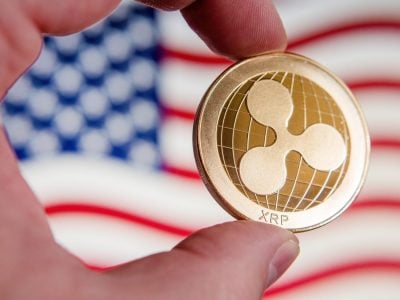
The XRP (CRYPTO:XRP) price trades at $1.41 as of September 6, and it hasn’t closed above $1.43 since August 27 even after reaching $1.47 that day. The $1.43 level is where the first wave of August buyers gets back to breakeven, and $1.50 is the next round number above it.
The Senate votes on the CLARITY Act on September 15 and the Federal Reserve decides rates on September 16, 2026. So would XRP break $1.50 before then?
What the XRP Price Needs to Break $1.50
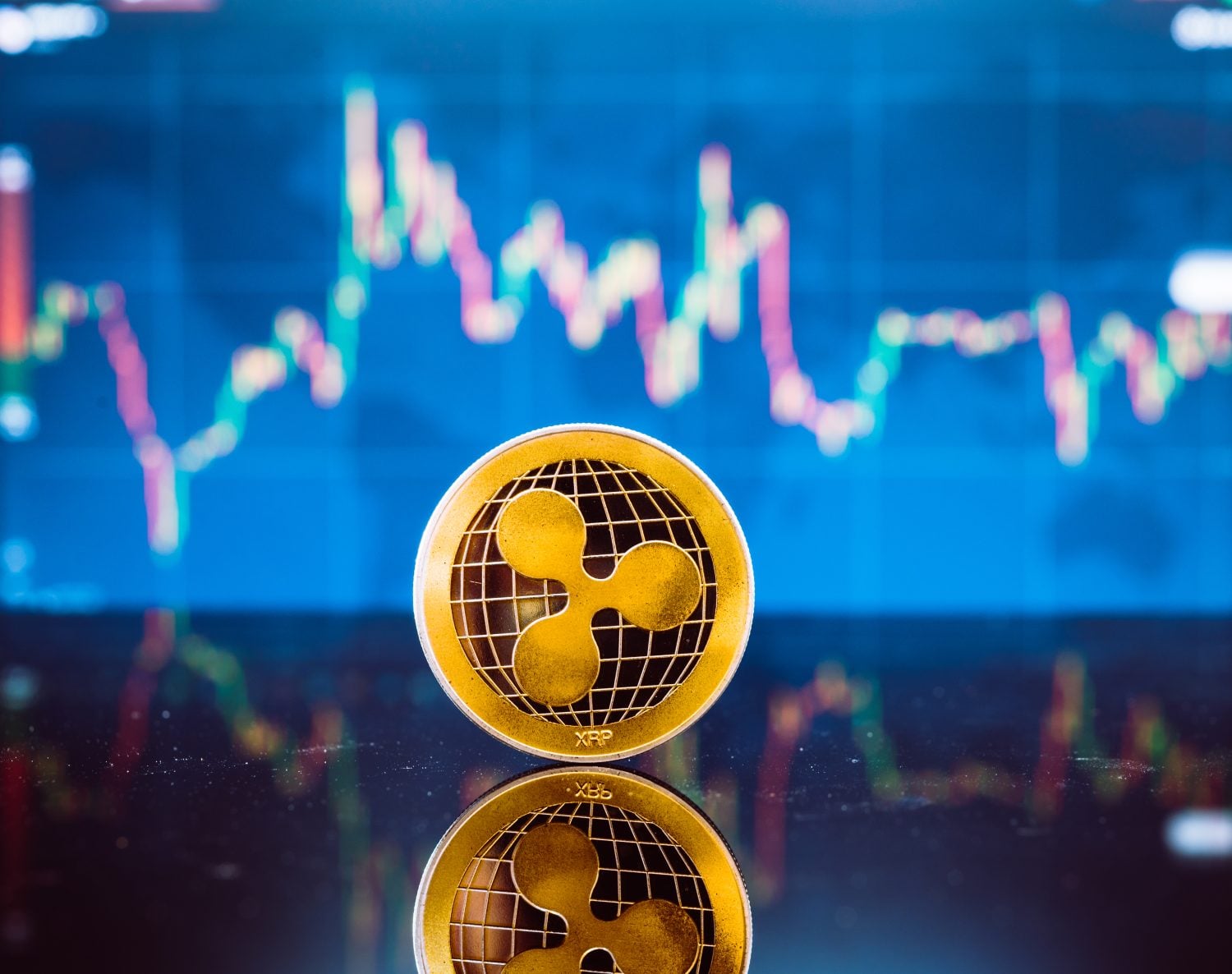
Resistance is a price where sell orders pile up because people who bought there want their money back, and $1.43 is that price for XRP. The XRP price reached $1.47 on August 27, $1.46 on September 4 and $1.43 on September 5, and closed every one of those days between $1.35 and $1.42. Buyers keep pushing it above $1.43 and sellers keep pushing it back.
The $1.43 sellers come from the August spike. XRP climbed from $0.99 on August 11 to $1.70 on August 22, so many of the people who bought in those eleven days paid more than $1.43 and only break even there or higher. XRP is up 39% in the 30 days to September 6 and still down 23% from $1.84 on January 1, so even $1.50 would leave it below where it started the year.
However, $1.50 is a harder level than $1.43, because more traders set their sell orders at round numbers.
Why the Fed Could Raise Rates on September 16
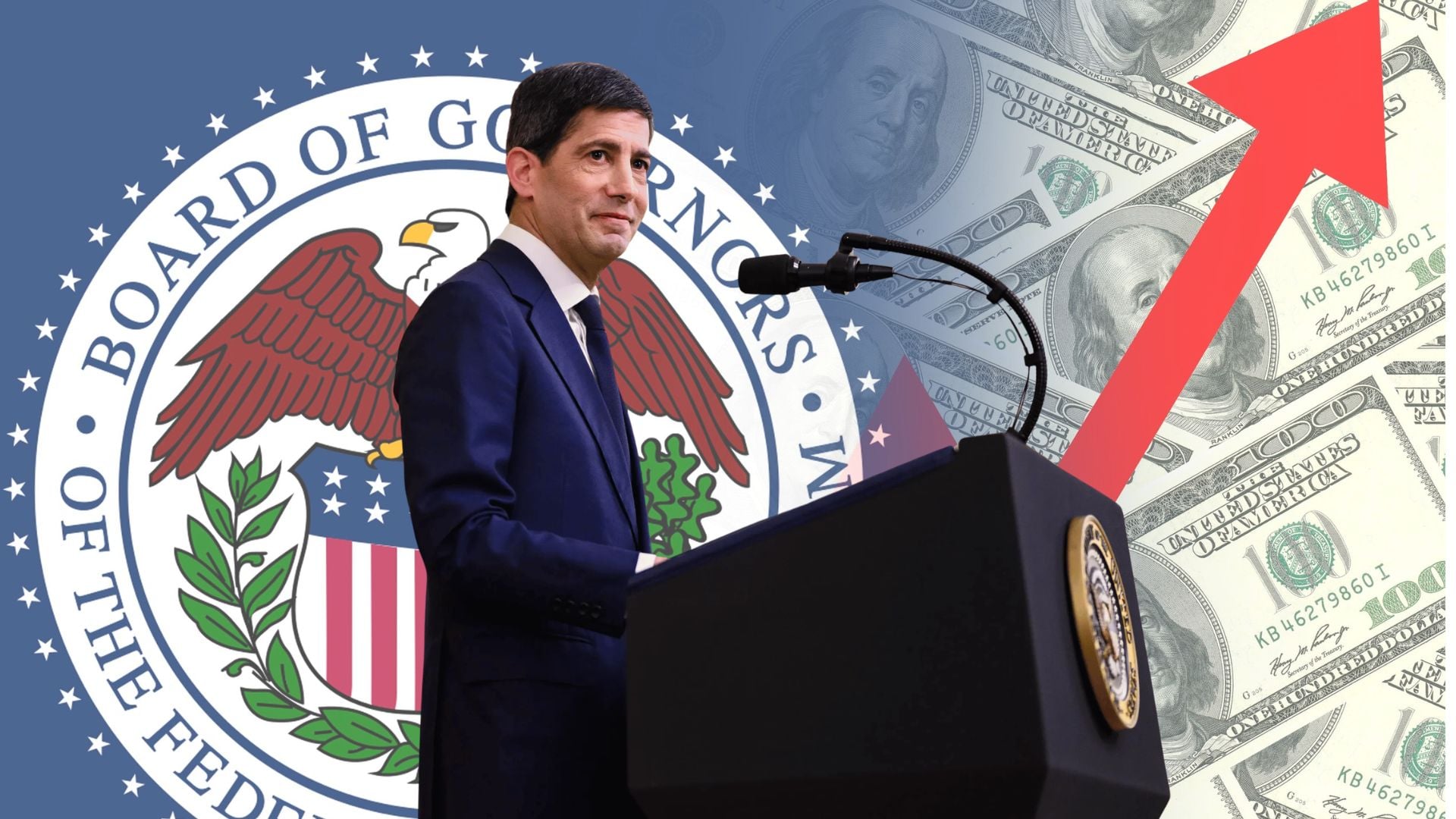
The Fed has held its rate at 3.50% to 3.75% since December 2025, and three of its twelve voting members wanted to raise it at the July meeting. Beth Hammack, Neel Kashkari and Lorie Logan each voted for a quarter-point hike on July 29, the first time three members had dissented in the same direction since 2016. In June, nine Fed officials projected at least one rate increase before the end of 2026.
Prices rose 3.7% in the twelve months to July by the Fed’s preferred measure, and 3.3% with food and energy stripped out, against a target of 2%. The August jobs report on September 4 then added 162,000 jobs against a forecast of 53,000, which strengthened the case for a hike.
However, Fed Governor Christopher Waller said on September 3 that he would hold rates steady, so the September 16 decision could go either way. A hike could push the 10-year Treasury yield higher, and it already reached 4.82% on September 4, its highest since January 2025. When a government bond pays close to 5%, some savers move money out of a coin that pays nothing, and the XRP price usually falls further than Bitcoin does.
Why the CLARITY Act Vote Comes First
The Senate votes on September 15 on whether to take up the CLARITY Act, the bill that would write XRP’s status as a commodity into federal law. That vote needs sixty senators, and winning it only starts the floor debate. Polymarket, where traders bet on political outcomes, prices the bill being signed in 2026 at about 18%, down from 90% in February.
XRP has more riding on the bill than Bitcoin or Ethereum. The SEC and CFTC classified all three as commodities in March 2026, but the SEC had never sued over Bitcoin or Ethereum, and for XRP the ruling closed a case that ran from December 2020.
So the CLARITY Act would turn that ruling into law that an agency alone couldn’t reverse, and if the vote fails, XRP holders lose the law they were waiting on while Bitcoin and Ethereum holders lose little.
Why the Odds of $1.50 Before September 16 Are Low
The XRP price is unlikely to reach $1.50 before September 16, because it would need to clear $1.43 and then $1.50 inside ten days, and both events in that window could push it lower. The Fed could hold or raise rates, and the Senate could vote down the bill. Neither of those gives XRP a reason to climb.
So if you hold XRP, a daily close above $1.43 before September 15 would change the odds. If XRP closes above it, the sellers from the August spike have sold and $1.50 is the next level. If it doesn’t, XRP needs another catalyst, and a rate hike on the 16th after a failed Senate vote on the 15th could see it drop back to $1.35, the bottom of its range since August 27.
Contact [email protected] for any questions or corrections.
Sam Daodu is a crypto analyst and the editor of 24/7 Wall St.'s Crypto Desk, where he covers Bitcoin, XRP, Ethereum, Solana and the altcoins investors search for most. His work focuses on price levels, spot ETF flows, on-chain data and the regulatory decisions that move crypto markets, written so a first-time buyer and a seasoned trader can both use it.
Sam has written about crypto professionally since 2019 and has published more than 2,000 articles. Before joining 24/7 Wall St., he wrote for crypto media outlets and Web3 companies and ghostwrote for crypto founders and token launches. His analysis is syndicated on Yahoo Finance, MSN and AOL and has been cited by other crypto news sites. He also founded MacLabs Marketing, a content and personal branding agency for crypto founders and executives.
When he isn't reading charts, Sam is usually at the gym or watching One Piece, a series he maintains has better tokenomics than most altcoins.