Bitcoin Just Hit an Eight-Month High But XRP Is Still 38% Below Its January Peak. What’s Holding It Back?
Bitcoin just climbed to an eight-month high while XRP keeps struggling to hold its ground, and the reasons behind that split reveal a deeper structural divide between the two assets that one good trading day cannot fix.

This post may contain links from our sponsors and affiliates, and Flywheel Publishing may receive compensation for actions taken through them.
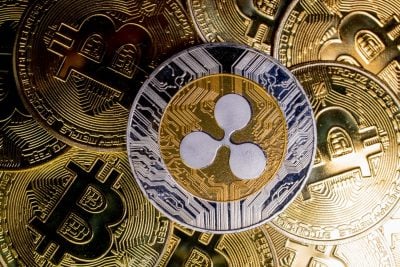
Bitcoin (CRYPTO:BTC) has reached an eight-month high, trading at $84,702 as of September 21, 2026, up 5.3%. In contrast, XRP (CRYPTO:XRP) is priced at $1.47, up 6.4% in the same 24-hour period. While XRP shows short-term strength, its longer-term performance still lags behind Bitcoin.
Bitcoin peaked in January at around $94,820, so its current price is roughly 10% below that high. Meanwhile, XRP’s peak of $2.36 on January 6 leaves it significantly behind, struggling at 38% below that mark. Both cryptocurrencies reached their highs in the same month, yet XRP’s recovery has been much slower. This prompts the question: what is holding the XRP price back?
One Green Day Does Not Change XRP’s Losing Year
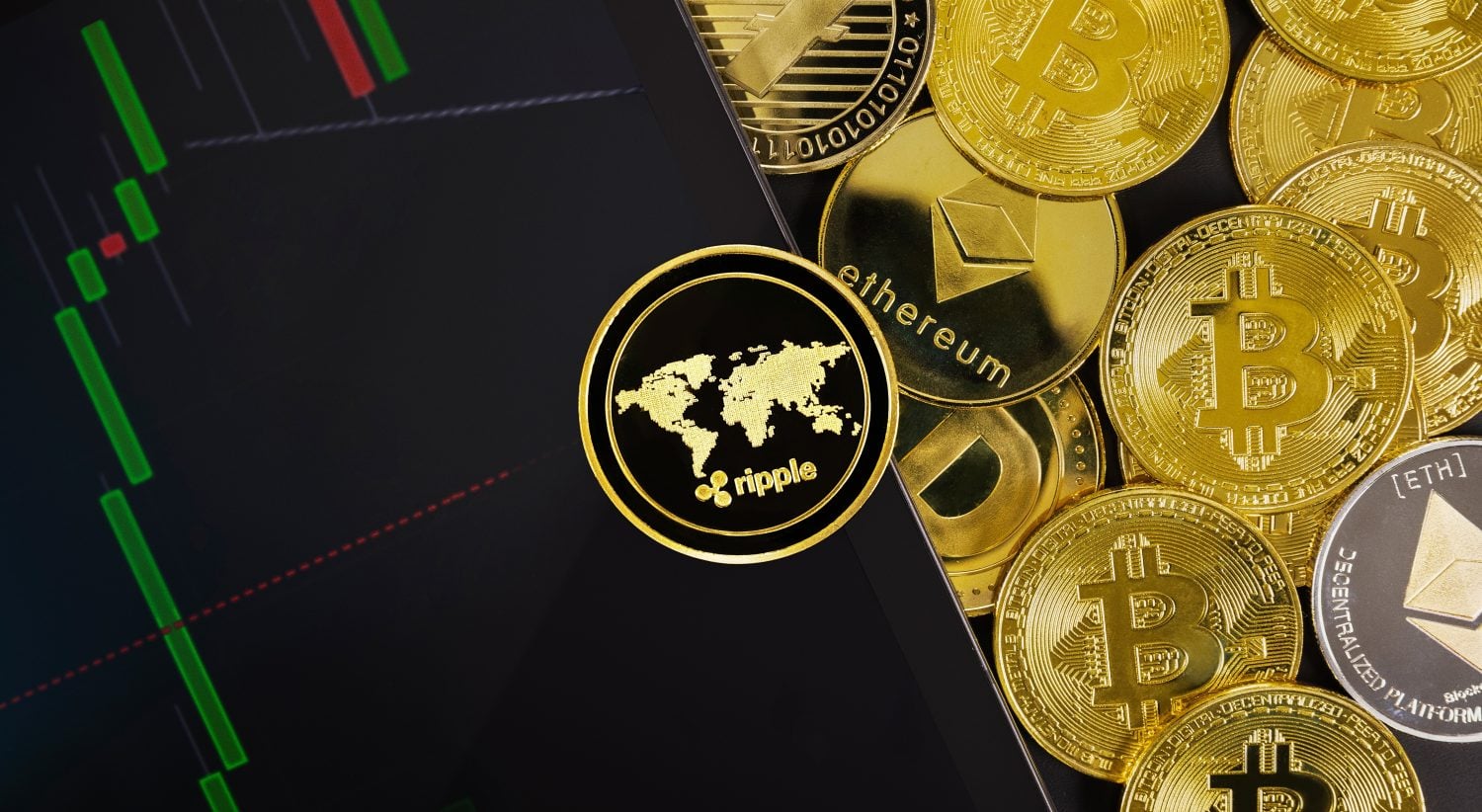
XRP tends to outperform Bitcoin on market-wide rallies, but its higher beta also means more volatility. Beta measures how much a coin moves in response to the overall market. While it may have a strong day, XRP has trailed Bitcoin over longer periods.
Over the past year, XRP has dropped about 52%, while Bitcoin has fallen about 33% from its all-time high of $126,198 in October 2025. XRP’s previous peak was $3.65 in July 2025, putting it nearly 60% below that mark now. So, a one-day gain doesn’t change the bigger picture where XRP is not leading.
Regulation, Fund Depth and Supply Pulled Bitcoin and XRP Apart
Three main factors are contributing to XRP’s struggles compared to Bitcoin: regulation, fund participation, and supply issues.
- Regulation: Unlike Bitcoin, which has enjoyed clear legal status, XRP faced serious regulatory challenges that lasted five years, culminating in a court ruling in August 2025. Recent legislation, like the CLARITY Act, aimed at defining crypto markets more clearly, was narrowly rejected in the Senate. This uncertainty leads investors to view XRP as riskier, making them less willing to pay a premium for it, especially during market rallies.
- Fund Participation: Bitcoin ETFs control about 6.4% of Bitcoin’s supply and attracted nearly $1 billion in the first week of September. In contrast, XRP ETFs hold just 1.7% of its supply and saw only minimal inflows after the Senate vote. This gap suggests institutional investors demand XRP less than Bitcoin.
- Supply Issues: Bitcoin’s supply is more limited, with around 164,000 new coins mined annually since the 2024 halving. On the other hand, Ripple can release up to one billion XRP monthly, with 200 million to 400 million typically entering the market. This consistent increase in XRP’s circulating supply of about 5% a year puts downward pressure on its price.
Current data shows that the average price at which XRP last traded was around $1.48, meaning most holders are at break-even. As a result, a rally to $1.60 or $2 will likely prompt many to sell to recover their costs, hitting the price further.
The Gap Closes When Demand Absorbs Ripple’s Escrow, and It Has Not Yet
For XRP to close the gap with Bitcoin, demand needs to increase. Using XRP as collateral on trading platforms could reduce available supply and help absorb coins in circulation. Additionally, implementing features on the XRP Ledger that require holding XRP, like the Batch amendment and transaction fees paid in XRP, could further consume the supply.
Increasing fund participation is also crucial. At August’s record inflow pace, XRP ETFs might reach $2 billion by mid-October, but at the current pace they could lag until April 2027. Finally, a legal framework, rather than reliance on regulatory interpretations, would greatly reduce perceived risk for XRP holders.
Lastly, when Bitcoin’s market dominance—currently at 60%—drops below 58%, historical trends show that money often flows from Bitcoin into larger altcoins like XRP. However, this has not occurred yet, and today’s market activity lifted both Bitcoin and XRP together, without shifting funds between them.
By addressing these factors, XRP may regain its footing in the market and catch up to Bitcoin.
What Is Holding the XRP Price Back?
XRP’s demand often depends on news announcements, while its supply follows a set release schedule. Ripple can release up to one billion XRP each month, regardless of market conditions. The demand needed to absorb this supply mostly comes from announcements and slow ETF inflows, rather than significant purchases from company balance sheets.
In contrast, Bitcoin has funds holding 6.4% of its total supply and has a clear legal status that cannot easily be changed. The cost of waiting for XRP to gain traction can be reflected in two crucial figures. First, XRP ETFs need weekly inflows to exceed the $14 million pace set in August.
Second, the price must break past the $1.60 to $2 range, where many holders who bought XRP in 2025 are waiting to sell at break-even. Until either of these changes occurs, Bitcoin’s recent eight-month high, combined with XRP being down 38%, indicates which coin currently attracts more buyers.
Contact [email protected] for any questions or corrections.
Sam Daodu is a crypto analyst who's spent nearly a decade making blockchain understandable—no easy task when most whitepapers read like fever dreams. He writes for 24/7 Wall St., covering Bitcoin, altcoins, and crypto market analysis for investors. Before crypto, he was a tech writer (back when explaining "the cloud" was peak innovation). Since 2018, he's written for CoinTelegraph, Yahoo Finance, The Block, Cryptonews, Zypto, Rain, and more—basically anywhere people want crypto news without the headache. Sam runs MacLabs Marketing, a content agency for crypto brands tired of sounding like AI wrote their website. He also publishes free crypto education on his site for Web3 enthusiasts who think "gas fees" is a typo. When he's not writing or staring at charts, Sam's either: - Watching anime (currently convinced One Piece has better tokenomics than most altcoins) - At the gym sculpting himself into a Greek god - Listening to the music your mum warned you only bad boys listen to Connect: LinkedIn | Email | MacLabs Marketing