Privacy Coins Arise as Top Performers in Crypto: Zcash Surges 164% in a Month
Zcash has skyrocketed while Bitcoin stumbles, pushing privacy coins to the top of every crypto sector ranking. But the real question is whether this surge reflects a genuine market rotation or one coin distorting the entire picture.

This post may contain links from our sponsors and affiliates, and Flywheel Publishing may receive compensation for actions taken through them.

Zcash (CRYPTO:ZEC) is trading at $1,505, up 4.5% in the last 24 hours and up 164% since its close at $569 on August 20. With a market cap of $25.5 billion, it ranks ninth among all cryptocurrencies.
In contrast, Bitcoin (CRYPTO:BTC) rose 16%, moving from $73,012 to $84,702 over the same period. According to Glassnode, privacy coins have led all ten crypto sectors over the past 30 days, boasting a collective 90% gain—largely driven by Zcash’s remarkable performance.
Privacy coins keep transaction details concealed on public ledgers, hiding the sender, the receiver, or the transaction amount. Zcash uses zero-knowledge proofs to let one party verify a payment’s validity without revealing the details. This raises the question: Are funds shifting into privacy coins overall, or is Zcash’s distinct success skewing perceptions?
Zcash Is 62% of the Privacy Sector
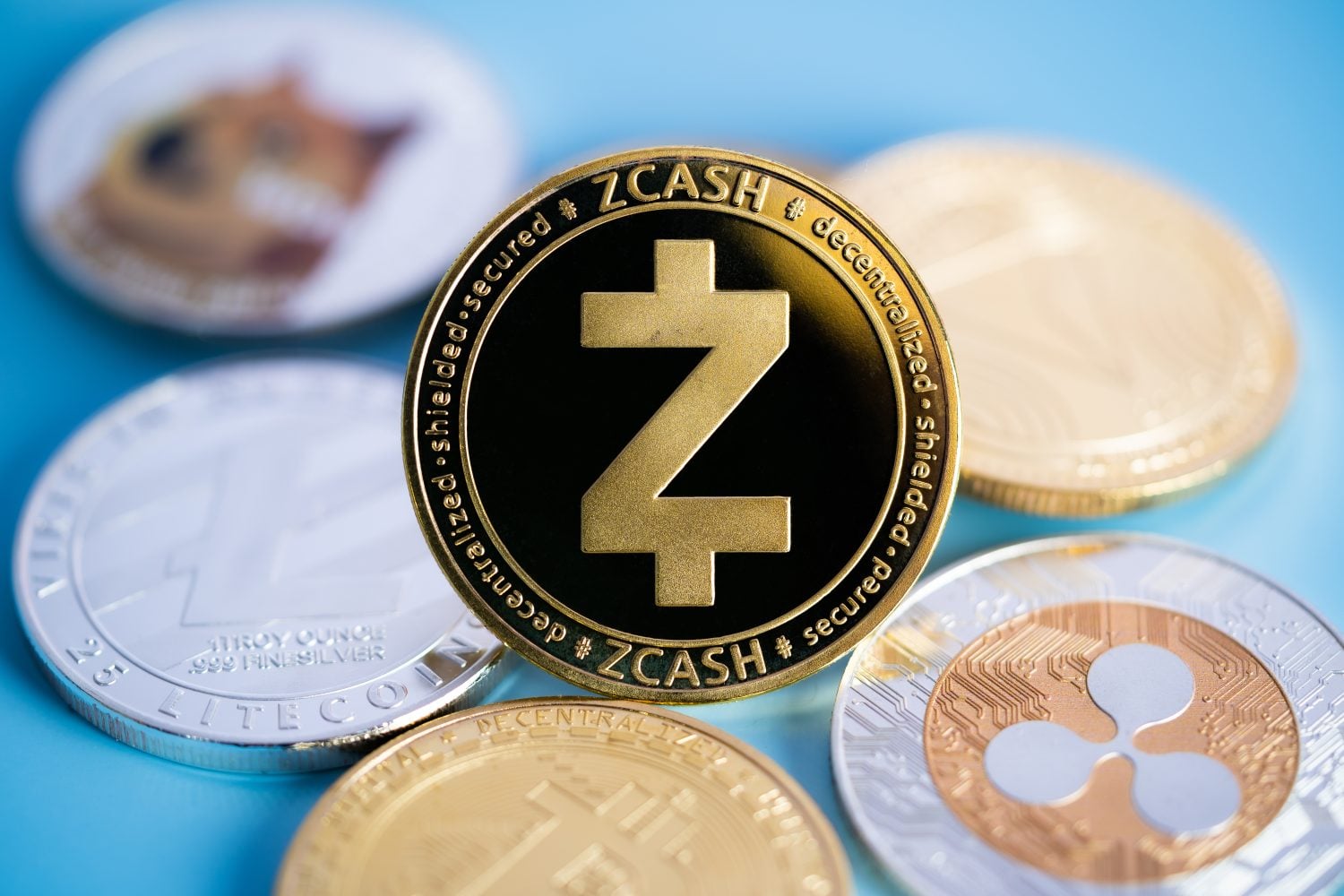
A crypto sector is essentially a collection of coins grouped by their function, with different platforms defining these collections in various ways. Notably, when a major coin like Zcash rises significantly, the sector average tends to rise, sometimes regardless of smaller coins’ movements.
Zcash accounts for about 62% of the privacy sector by market value, which explains much of the sector’s 90% rise over the past 30 days. The coin has climbed steadily, closing at $417 on July 1, $847 at the end of August, and hitting $1,566 by September 19. Today, it sits at $1,505 after a solid 31% increase this week.
Thus, the sector’s growth largely reflects Zcash’s journey. Those interpreting the 90% figure as evidence that every privacy coin is thriving may be overlooking Zcash’s significant impact on overall sector performance.
The Other Privacy Coins Are Up Too
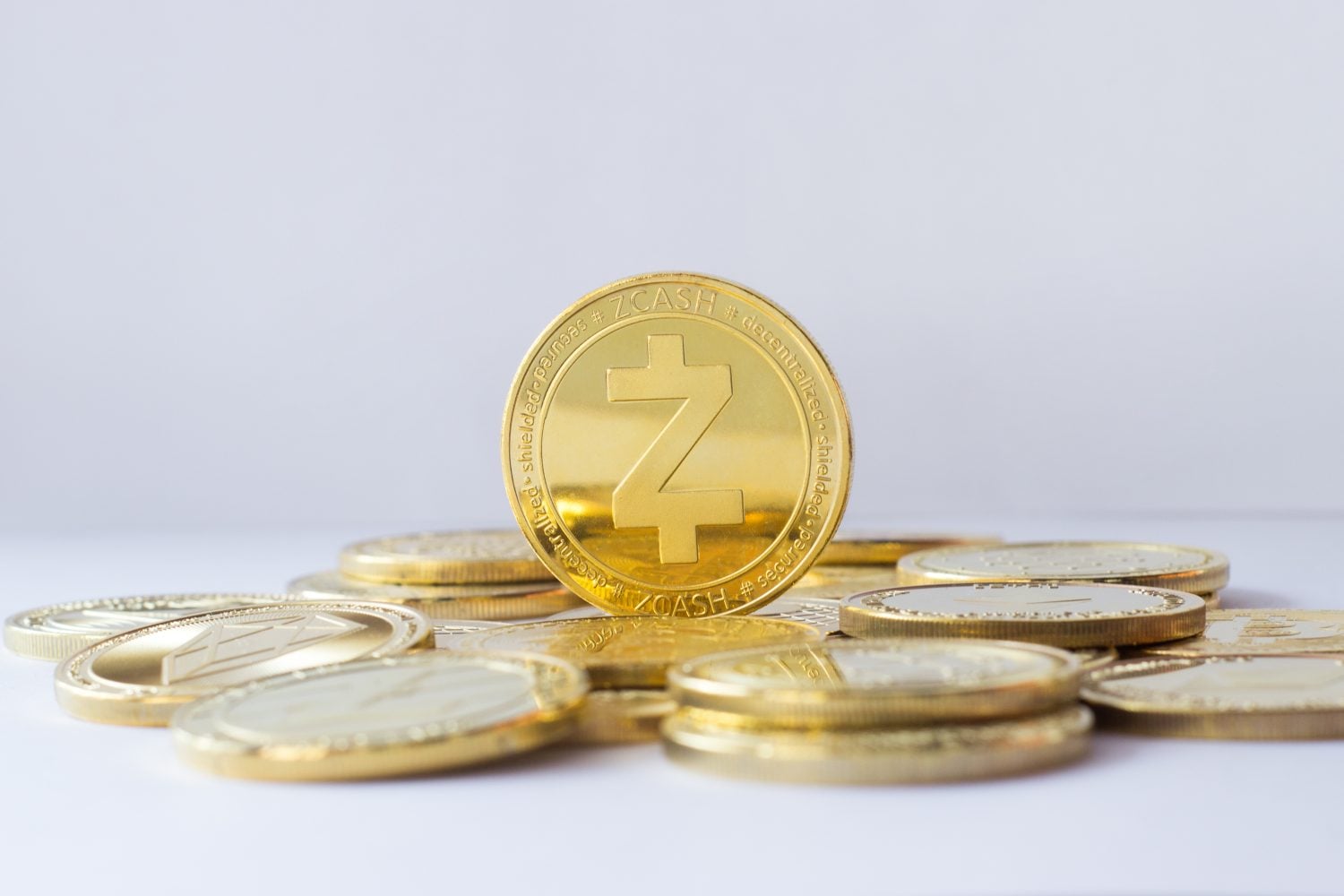
Despite Zcash’s influence, the enthusiasm for privacy coins isn’t solely due to its rise. Excluding Zcash, the privacy sector remains 56% above its level from October 6, 2025 (the day Bitcoin hit its $126,198 record) and is up 85% over the past year. Each of the eight privacy coins with at least a year of trading history has gained over that time.
Monero has doubled in a year and recently traded above $600, while Dash rose 10% on September 15, compared with Zcash’s 15% growth. This makes privacy coins the only sector currently trading above their values from Bitcoin’s peak, while Bitcoin is about 33% below that record and other categories like DeFi and gaming tokens have dropped significantly.
Among the 25 largest cryptocurrencies, only Zcash, Monero, Hyperliquid, and WhiteBIT’s WBT are above their October 6 prices, with two being privacy coins.
Overall, it’s fair to conclude that a rotation into privacy coins is indeed happening, albeit on a smaller scale than the Zcash-driven statistics suggest. The privacy sector has outperformed Bitcoin over the past year and since its peak, demonstrating a legitimate trend.
An ETF, a Block-Time Vote and a Paradigm Endorsement Drove the Zcash Price in September
Several key events fueled Zcash’s rise. The launch of Grayscale’s Zcash Trust ETF (ticker: ZCSH) on August 25 quickly attracted over $500 million, with significant contributions from Digital Currency Group and other investors. This provided U.S. investors with a new, simpler way to invest in ZEC through brokerage accounts.
On September 15, the Zcash community opted to reduce block time from 75 seconds to 25 seconds, improving transaction speeds. On the same day, Matt Huang from Paradigm publicly supported Zcash’s governance. After the news, Zcash jumped 15% to $1,388, while the overall crypto market rose only 1.3%. Since then, Zcash has reached as high as $1,566 as Bitcoin surpassed $80,000.
The market dynamics are complex; Zcash’s all-time high stands at around $5,942 from October 2016, making many long-term holders still sit at a loss. Additionally, the surge in futures trading in August suggests much of the activity involved leveraged bets rather than actual coin exchanges.
Can the Privacy Coin Rotation Hold?
Privacy coins have outperformed Bitcoin whether or not Zcash is included, which confirms an authentic trend. Zcash’s breathtaking 164% growth has propelled the sector to the forefront of crypto. However, it is critical to recognize that the 90% sector average is heavily influenced by Zcash. Those anticipating similar gains for every privacy coin may be misreading the situation.
To maintain its momentum, Zcash needs to hold above its August 31 closing price of $847, approximately 44% below its current price. If it closes below that level, the September rally starts to look like a spike that early holders sold into rather than a new floor. As long as $847 holds and Monero and Dash keep rising alongside it, the rotation into privacy coins has room to continue into the fourth quarter.
Contact [email protected] for any questions or corrections.
Sam Daodu is a crypto analyst who's spent nearly a decade making blockchain understandable—no easy task when most whitepapers read like fever dreams. He writes for 24/7 Wall St., covering Bitcoin, altcoins, and crypto market analysis for investors. Before crypto, he was a tech writer (back when explaining "the cloud" was peak innovation). Since 2018, he's written for CoinTelegraph, Yahoo Finance, The Block, Cryptonews, Zypto, Rain, and more—basically anywhere people want crypto news without the headache. Sam runs MacLabs Marketing, a content agency for crypto brands tired of sounding like AI wrote their website. He also publishes free crypto education on his site for Web3 enthusiasts who think "gas fees" is a typo. When he's not writing or staring at charts, Sam's either: - Watching anime (currently convinced One Piece has better tokenomics than most altcoins) - At the gym sculpting himself into a Greek god - Listening to the music your mum warned you only bad boys listen to Connect: LinkedIn | Email | MacLabs Marketing